Life
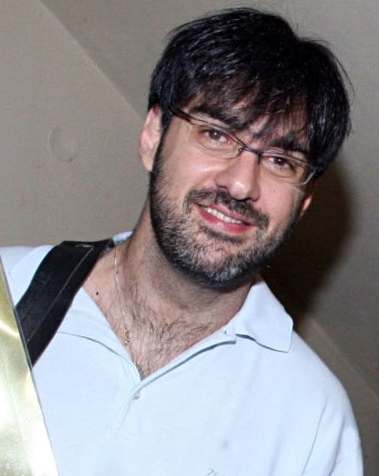
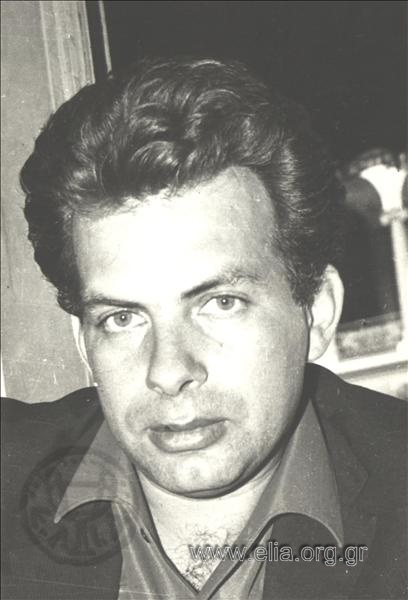
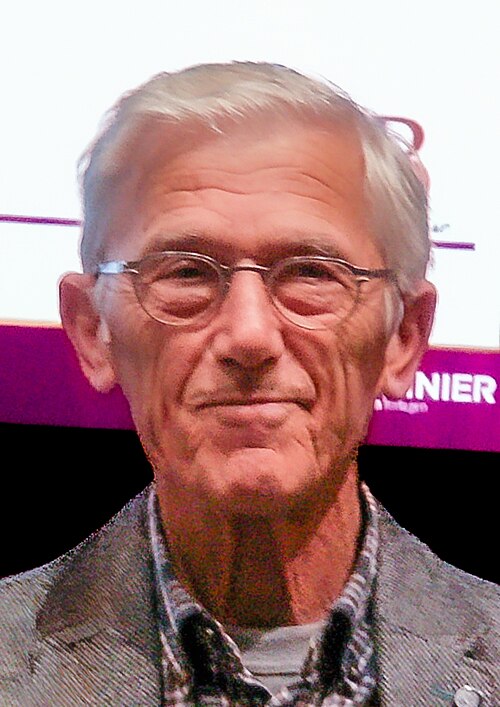
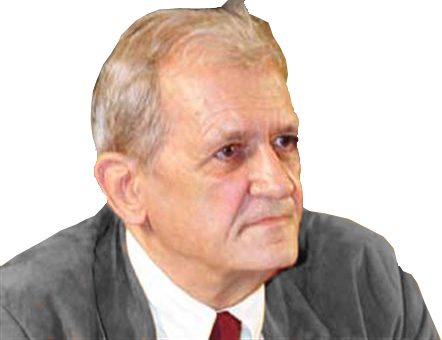
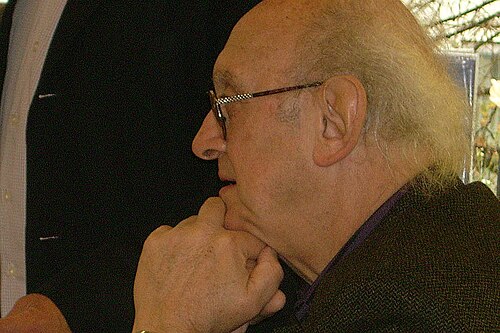
Petros Markaris, also written Pétros Márkaris, was born in Istanbul in 1937. He studied economics in Austria and settled in Athens in 1964. His literary career began with theatre: Η ιστορία του Αλή Ρέτζο (The Tale of Ali Retzo) dates from 1965. Plays, translation and screenwriting gave him several ways to work with dialogue before he became known internationally for crime novels.
From 1976 he worked as a freelance writer. His translations brought German-language authors including Bertolt Brecht, Arthur Schnitzler and Goethe into Greek. Translating both parts of Faust required sustained attention to the movement and resources of Greek verse. Cinema formed another lasting collaboration: he co-wrote screenplays for Theo Angelopoulos, including Το βλέμμα του Οδυσσέα (Ulysses' Gaze) and Μια αιωνιότητα και μια μέρα (Eternity and a Day), working within teams of writers.
Νυχτερινό δελτίο (Night Bulletin), published in 1995, introduced his first crime novel and the investigator Kostas Haritos. The series opened a new international readership for a writer already experienced in other forms. In 2013 he received the Goethe Medal for his contribution to cultural exchange. His career links Greek storytelling with translation, theatre and the shared craft of making a film.
Works

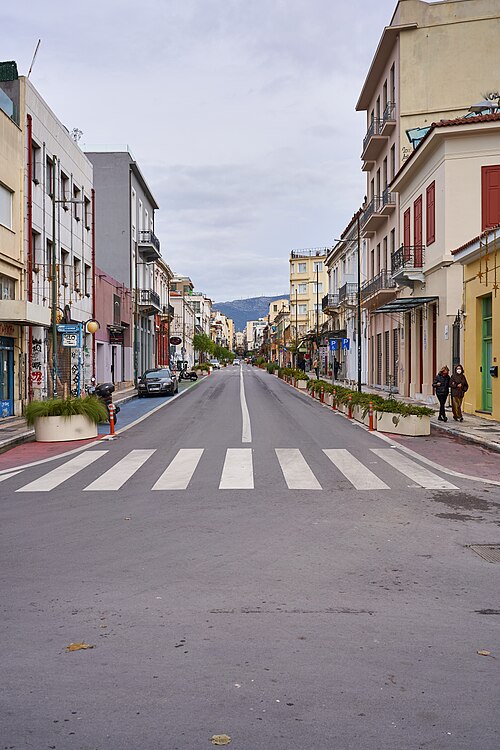
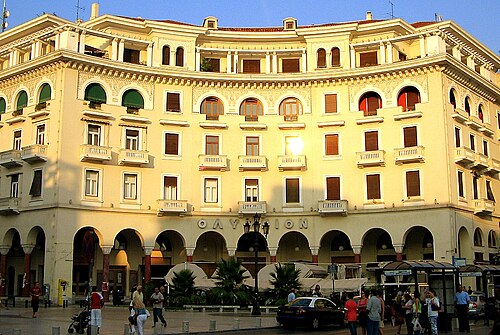
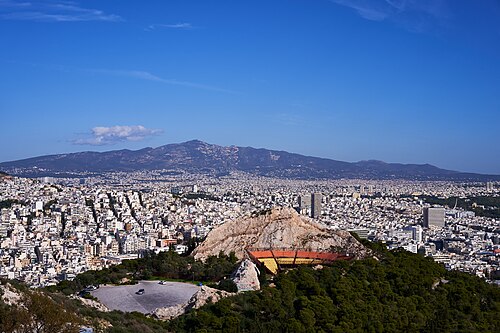
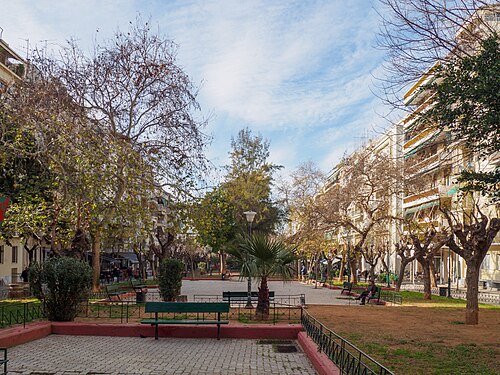
The Haritos novels make a criminal investigation a route through a city and its institutions. In Νυχτερινό δελτίο (Night Bulletin, 1995), an apparently closed case becomes more complicated when a journalist is murdered before a television news bulletin. The publisher's account places the investigation among migration, reporting and powerful financial interests. Athens supplies streets, delays and competing versions of what has happened.
Άμυνα ζώνης (Zone Defence, 1998) and Ο Τσε αυτοκτόνησε (Che Committed Suicide, 2003) continue the series. Ληξιπρόθεσμα δάνεια (Overdue Loans, 2010) begins the crisis sequence, bringing economic pressures into the crime plot. Markaris uses the genre to examine social relationships as well as pursue a solution. The detective's opinions belong to a fictional character with habits, blind spots and a particular voice.
In his Greek interview with Mary Alexopoulou, Markaris explains that Haritos shares his passion for dictionaries. He also describes the work of combining conversational expressions with more formal turns inherited from the character's professional environment. The accessible surface is carefully made. For a reader of Greek, this creates a double investigation: follow the case, and notice what a word or register reveals about the person speaking.
Legacy in Greece today
Start with the Greek publisher's summary of Night Bulletin and choose three unfamiliar words. Follow Haritos's dictionary habit: find each headword, record the article for a noun and select the meaning that fits the sentence. Try υπόθεση, which can concern a case or an assumption, and στοιχείο, which can concern an element or a piece of evidence. Write two original sentences that make those meanings clear. Then ask one question about a clue, marking what is known and what you merely suppose. This small exercise develops precise Modern Greek reading and questions. The B1 passage offers support; an entire novel also brings colloquial expressions and shifts of register that need time.
Did you know?
- His first crime novel appeared after decades of work in other literary forms.
- Inspector Haritos reads dictionaries for pleasure.
- Markaris translated both parts of Goethe's Faust into Greek.
- He received the Goethe Medal in 2013.
Key works
| Greek title | Title | Year |
|---|---|---|
| Νυχτερινό δελτίο | Night Bulletin | 1995 |
| Άμυνα ζώνης | Zone Defence | 1998 |
| Ο Τσε αυτοκτόνησε | Che Committed Suicide | 2003 |
| Ληξιπρόθεσμα δάνεια | Overdue Loans | 2010 |
A line to remember
Έχω μεγάλη λατρεία με τη γλώσσα.
Echo megali latreia me ti glossa.
I have a great love for language.