Life
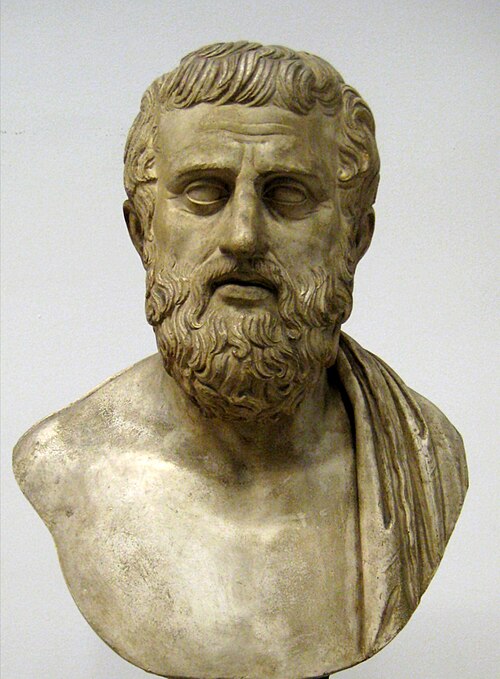
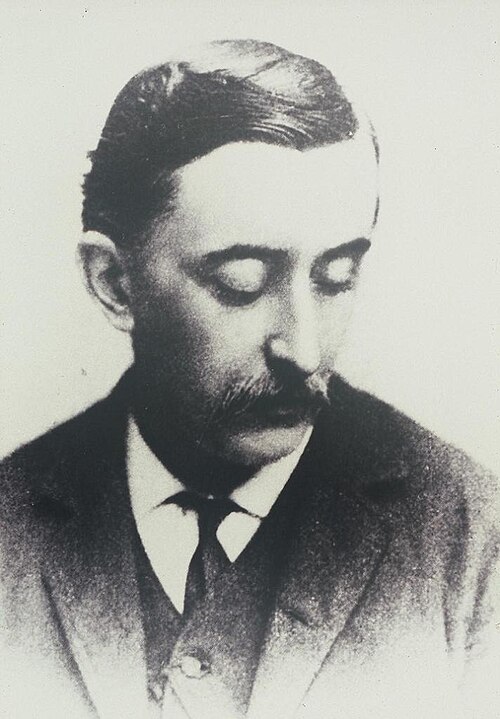
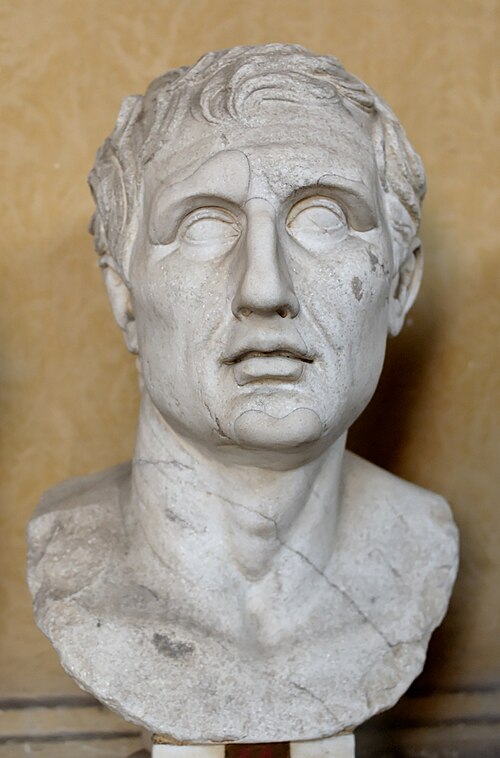
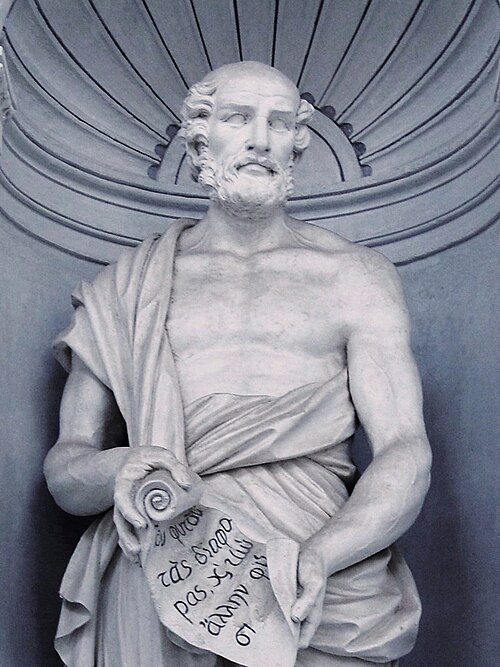
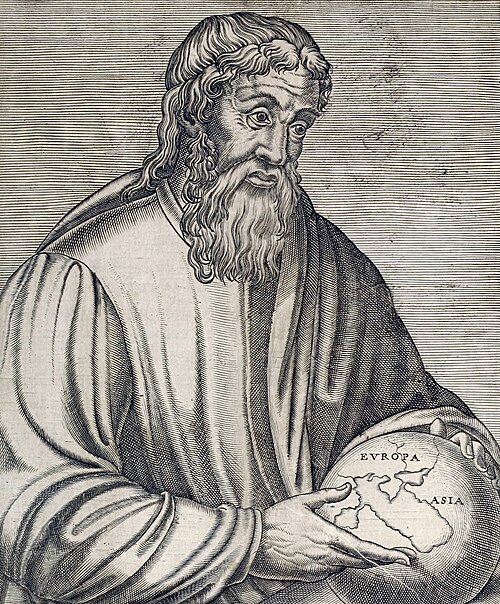
Strabo was born around 64 BC in Amasia, in Pontus, the region south of the Black Sea, now in Turkey. His family had links with the political world of the Pontic kings. He received a Greek education, studying with Aristodemus at Nysa and later learning in Rome. His intellectual interests included history and philosophy as well as geography. The evidence for his life comes largely from scattered remarks in his own work, so a detailed personal biography would promise more than the sources provide.
He spent time in Rome and travelled in Egypt, accompanying the Roman prefect Aelius Gallus up the Nile around 25–24 BC. His journeys gave him firsthand knowledge of some places, but not of every country he described. Reading, questioning earlier authors and comparing reports were equally important. He wrote during the age of Augustus and Tiberius and remained alive after AD 23; the exact date and place of his death are unknown. His life crossed Greek cultural traditions and Roman political power. That combination helps explain a work interested not just in where a city stood, but in its past, resources and place within a larger world.
Works

The Geography comprises seventeen books. Its opening asks what geography is for and argues that it belongs to philosophical inquiry. The regional survey then moves through Europe, Asia and Africa as Strabo understood them. Books 8–10 concern Greek lands; Book 17 treats Egypt and Libya. These are parts of one work, not separate books invented by modern editors. An earlier historical project, usually called Historical Sketches, is largely lost and is known through fragments and references.
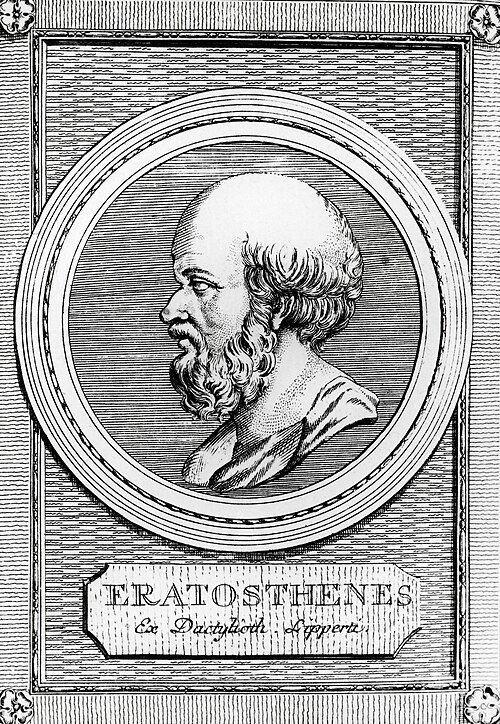
Strabo combines coasts, rivers and mountains with foundations of cities, local stories, political changes and accounts of notable people. Homer is an important conversation partner, while Eratosthenes and other geographers supply evidence he sometimes disputes. His writing therefore preserves earlier information and shows the decisions involved in selecting it. A place described at length was not necessarily one he visited. Distinguishing observation, borrowed report and traditional story is essential when reading him. He wanted a broad account of the inhabited world, useful to educated readers and those concerned with public affairs. The work’s scale and curiosity make it valuable, while its uneven evidence and ancient assumptions keep it from serving as an unquestioned map of the past.
Legacy in Greece today
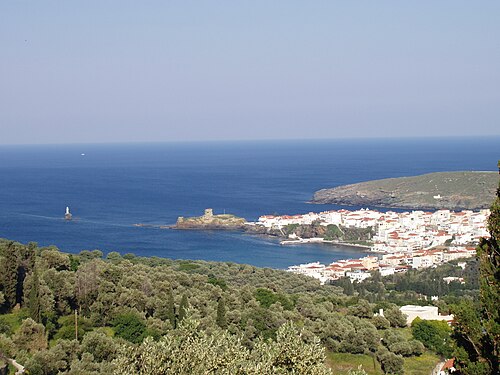
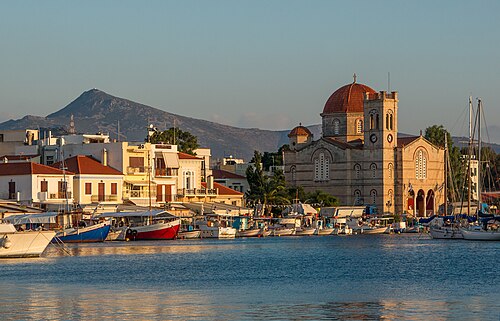
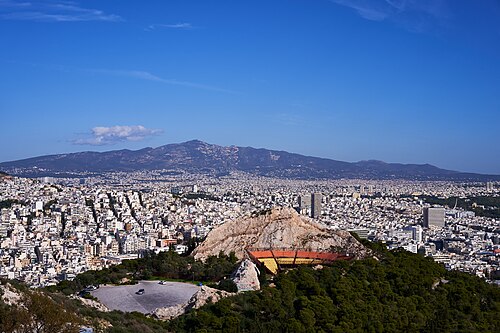
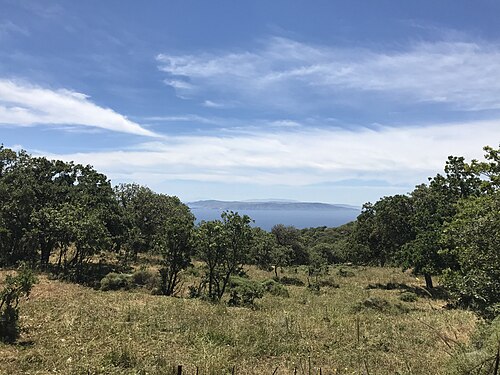
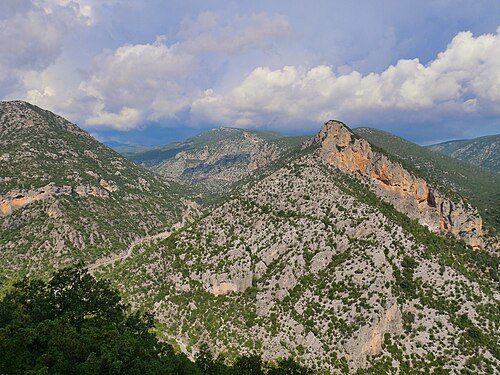
For readers in Greece, Strabo offers an ancient Greek account of familiar landscapes, including the Peloponnese, central Greece and islands. A modern map beside his text makes changed place names and the difference between literary description and measured geography visible. His Greek also gives learners a practical starting point for describing places.
Choose one location in Greece and write three Modern Greek sentences: where it is, what is near it and whether it lies by the sea. Practise στην, κοντά σε and μακριά από with words such as ακτή and βουνό. Then compare your description with a map and a short translated passage. This keeps his original ancient language distinct from the Modern Greek you can use on a journey.
Did you know?
- The Geography has seventeen books, though parts of Book7 are missing.
- He described many places through earlier writers rather than personal visits.
- His earlier historical work is largely lost.
Key works
| Greek title | Title | Year |
|---|---|---|
| Ἱστορικὰ ὑπομνήματα (χαμένο έργο) | Historical Sketches: largely lost history | 1st century BC |
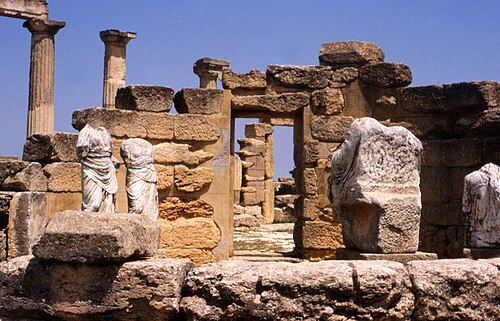
| Γεωγραφικά (17 βιβλία) | Geography: seventeen-book survey | Late 1st century BC–early 1st century AD |
| Ελληνικοί τόποι (Γεωγραφικά 8–10) | Greek lands: Geography 8–10, part of the survey | Late 1st century BC–early 1st century AD |
| Αίγυπτος και Λιβύη (Γεωγραφικά 17) | Egypt and Libya: Geography 17, part of the survey | Late 1st century BC–early 1st century AD |
A line to remember
τῆς τοῦ φιλοσόφου πραγματείας εἶναι νομίζομεν, εἴπερ ἄλλην τινά, καὶ τὴν γεωγραφικήν, ἣν νῦν προῃρήμεθα ἐπισκοπεῖν.
In today's GreekΠιστεύουμε ότι η γεωγραφία, που τώρα επιλέξαμε να εξετάσουμε, ανήκει όσο κάθε άλλη έρευνα στο έργο του φιλοσόφου.
tēs tou philosophou pragmateias einai nomizomen, eiper allēn tina, kai tēn geōgraphikēn, hēn nyn proērēmetha episkopein.
We believe that geography, which we have now chosen to investigate, belongs as much as any other inquiry to the philosopher’s work.