Life
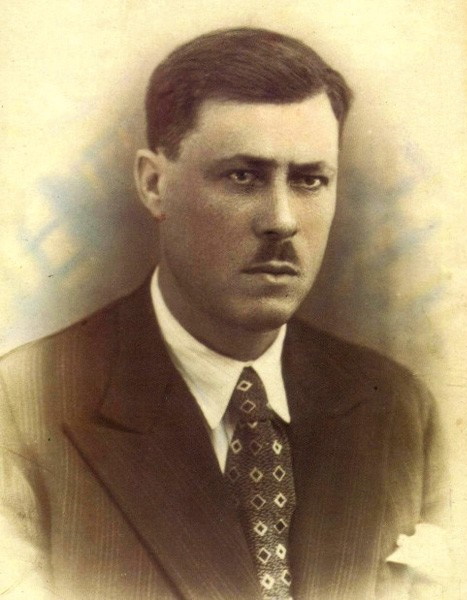
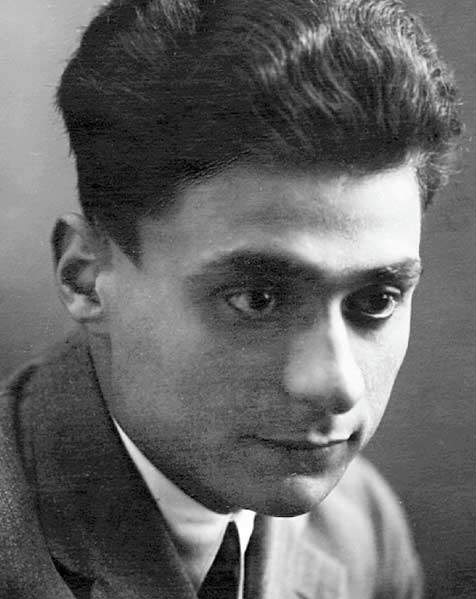
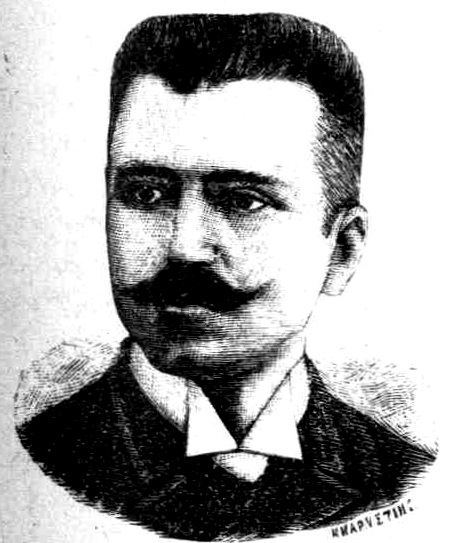
Tsiforos was born in Alexandria, Egypt, on 27 August 1909, and grew up in Athens, the city that is the real hero of almost everything he wrote. He studied law but never really practised it; he was drawn instead to journalism, to the theatre and to the cafés and street corners of the capital, where he listened carefully to the way people spoke.
From the 1930s and above all after the Second World War he wrote humorous columns and stories for Athenian newspapers and magazines, and his short, sharp pieces about the small dramas of daily life made him widely read. At the same time he began to write for the stage. Together with Polyvios Vasileiadis he formed one of the most productive writing teams in Greek entertainment: the pair wrote comedies for the theatre and screenplays for the cinema, at the time when Greek popular cinema was producing dozens of films a year and the whole country went to see them.
Tsiforos worked at a furious pace until the end of his life, writing books, plays and scripts, sometimes at the same time. He also directed films himself. He died in Athens on 6 August 1970, at the age of sixty, still one of the most popular writers in the country.
Works

Tsiforos's special gift was to take something grand and serious and retell it in the language of the street. In Ελληνική μυθολογία (Greek Mythology), his most famous book, the gods of Olympus behave like a family from an Athenian neighbourhood: Zeus is a womanising boss always in trouble with his wife Hera, the heroes are tough guys with big egos, and everyone speaks a slangy, fast, very funny Greek. The book does not mock the myths so much as bring them close; readers who laughed at it also learned the stories.
He did the same with history. Εμείς και οι Φράγκοι (We and the Franks) and Σταυροφορίες (Crusades) tell the Crusades and the centuries of Western rule in Greece as a comic chronicle full of anachronisms, with knights and popes who sound like modern Athenians. In Τα παιδιά της πιάτσας (The Kids of the Street Corner) he turned to his own city and its small-time hustlers, gamblers and dreamers.
For the theatre and the cinema, with Vasileiadis, he wrote comedies of misunderstandings, mistaken identities and money troubles, with the poor clerks, landladies and clever rascals of 1950s and 1960s Athens. Their dialogue, quick, ironic and full of popular expressions, is a large part of why those films are still funny.
Legacy in Greece today
Tsiforos's books are still in print and still sold in every Greek bookshop, and Ελληνική μυθολογία is often the book with which Greek teenagers first meet the myths outside school. Many phrases from his books and from the films he wrote have passed into everyday speech. The comedies of the golden age of Greek cinema, in which the great comic actors of the day spoke lines by Tsiforos and his colleagues, are shown again and again on Greek television. For a learner, a page of Ελληνική μυθολογία after reading the same myth in a simple version is a wonderful exercise: you will know the story, so you can enjoy the jokes and collect the slang.
Did you know?
- He studied law but made his living with humour, as a columnist, playwright and screenwriter.
- In his Ελληνική μυθολογία the gods of Olympus speak the slang of Athenian street corners.
- With Polyvios Vasileiadis he formed one of the most productive writing partnerships in Greek popular cinema.
Key works
| Greek title | Title | Year |
|---|---|---|
| Η πινακοθήκη των ηλιθίων | The Gallery of Idiots (stage comedy, his first big hit) | 1944 |
| Σταυροφορίες | Crusades (serialised in Ταχυδρόμος) | 1958–1959 |
| Τα παιδιά της πιάτσας | The Kids of the Street Corner (serialised in Ταχυδρόμος) | 1960–1961 |
| Εμείς και οι Φράγκοι | We and the Franks (serialised in Ταχυδρόμος) | 1961–1962 |
| Ελληνική μυθολογία | Greek Mythology (serialised in Ταχυδρόμος) | 1963–1965 |
A line to remember
Τα παιδιά της πιάτσας
Ta paidia tis piatsas
The kids of the street corner