Life
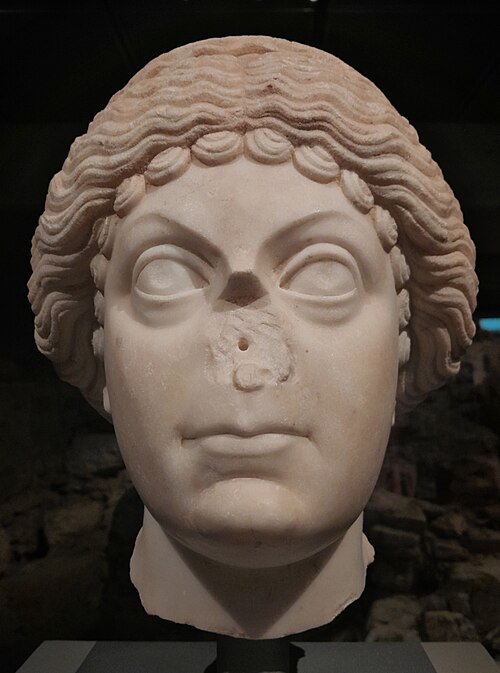
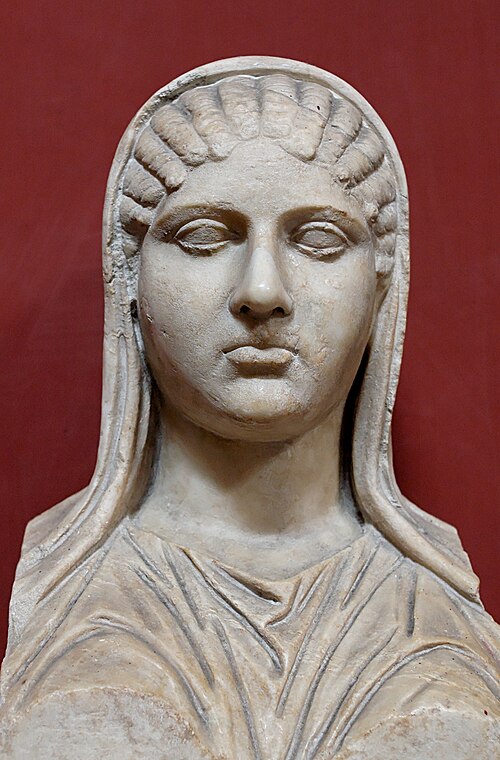
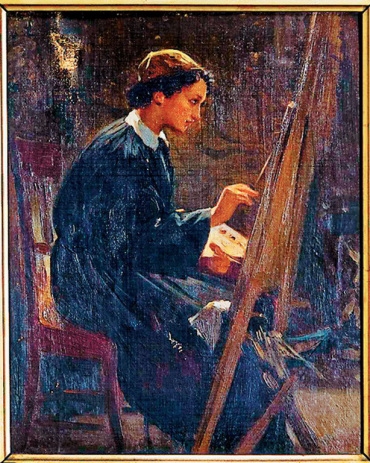
Kassiani lived in ninth-century Constantinople, the capital of the Byzantine Empire. Her name appears in manuscripts as Kassia, Kasia, Ikasia and other forms; Kassiani is familiar in Modern Greek. The evidence does not establish an exact birth date. Scholars place it near the beginning of the ninth century, while the academic prosopography records her death before 867. She became a nun and abbess and was associated with a monastery in Constantinople. Her literary work shows an education in biblical language and the traditions of Christian writing.
Stories about her life are more precise than the surviving evidence allows. Later chronicles connect her with an imperial bride selection and a sharp exchange with Emperor Theophilos. The episode is famous, but it should be read as a transmitted story rather than a securely documented conversation. It cannot explain every decision in her life. The firmer starting point is the work preserved under her name: liturgical poetry copied into manuscripts and, in part, into service books. Her importance rests on this continuing textual presence, not on a romantic reconstruction. Her career also reminds readers that women participated in the production of Byzantine religious literature.
Works

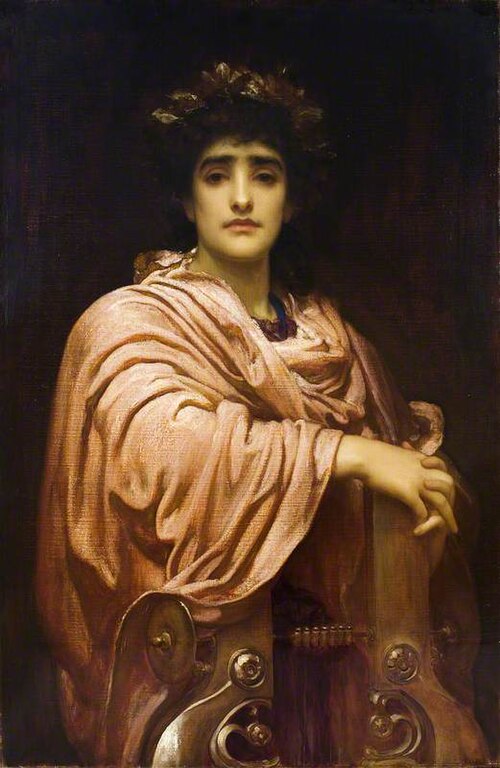
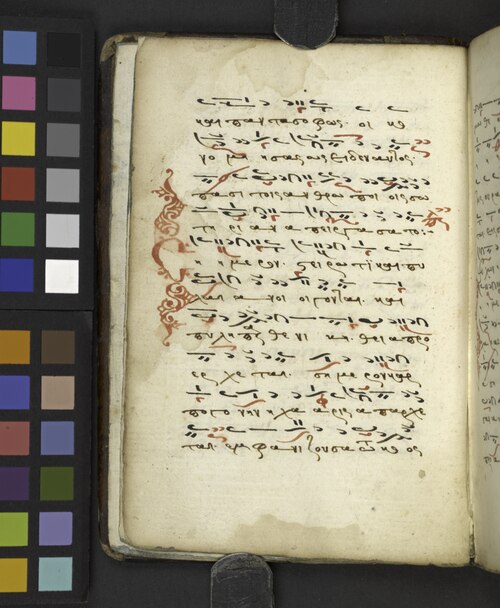
Kassiani wrote for a culture in which poetry was read, remembered and sung. Her best-known text, Κύριε, ἡ ἐν πολλαῖς ἁμαρτίαις περιπεσοῦσα γυνή (Lord, the Woman Who Fell into Many Sins), presents a biblical woman seeking mercy. Its first-person lament is a dramatic voice, not the author's confession. Images of tears, night and the sea give emotional form to prayer. The brief quotation here asks for the speaker's tears to be received; the word δάκρυα still means tears in Modern Greek.
Her range includes the Christmas hymn Αὐγούστου μοναρχήσαντος (When Augustus Ruled Alone), which connects imperial rule with the Christian account of the Incarnation. Hymns on the Publican and Pharisee explore humility and boastfulness. Manuscript attribution matters: not every poem transmitted under Kassia's name is certainly hers, and collections of secular epigrams also raise questions of authorship. Nor should a modern recording be assumed to preserve the original melody unchanged. The same medieval words have received different musical settings over the centuries. The four selected hymns belong to her ninth-century repertoire; their individual composition dates are not known, so their order does not imply a recoverable sequence of composition.
Legacy in Greece today
In Greece, many people encounter Kassiani through the hymn sung on Holy Tuesday evening, in the service associated with Holy Wednesday. A learner can hear a church or recorded performance and follow a printed Greek text. Begin with the short quotation: identify δάκρυα, then compare the older δέξαι with the modern δέξου. Listen for the same words in two settings and notice how a long melody stretches one syllable. Reading the modern rendering before listening makes the medieval syntax less intimidating. The exercise connects familiar vocabulary with an older register of Greek while keeping the poem, its dramatic speaker and its later music distinct.
Did you know?
- Her name survives in several manuscript spellings.
- Her famous Holy Week hymn speaks through a biblical woman.
- The individual dates of the selected hymns are unknown.
- Later musical settings do not all reproduce a single medieval melody.
Key works
| Greek title | Title | Year |
|---|---|---|
| Αὐγούστου μοναρχήσαντος | When Augustus Ruled Alone | 9th c. (undated) |
| Παντοκράτορ Κύριε, οἶδα πόσα δύνανται τὰ δάκρυα | Almighty Lord, I Know the Power of Tears | 9th c. (undated) |
| Ταῖς ἐξ ἔργων καυχήσεσι | By Boasting of Works | 9th c. (undated) |
| Κύριε, ἡ ἐν πολλαῖς ἁμαρτίαις περιπεσοῦσα γυνή | Lord, the Woman Who Fell into Many Sins | 9th c. (undated) |
A line to remember
Δέξαι μου τὰς πηγὰς τῶν δακρύων
In today's GreekΔέξου τις πηγές των δακρύων μου.
Dexai mou tas pegas ton dakryon.
Receive the streams of my tears.