Life
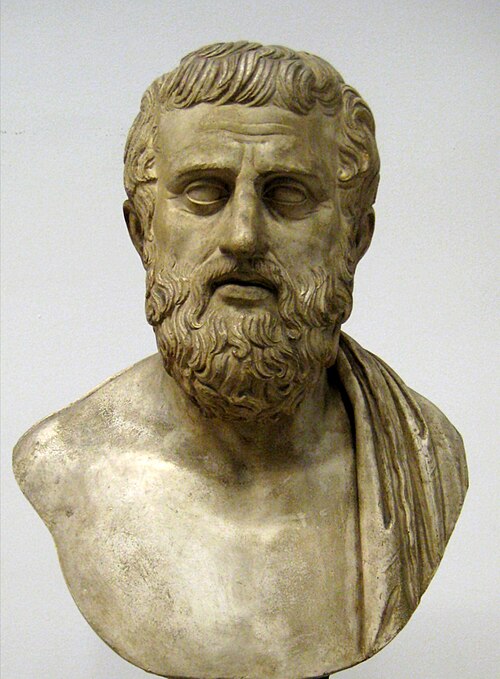
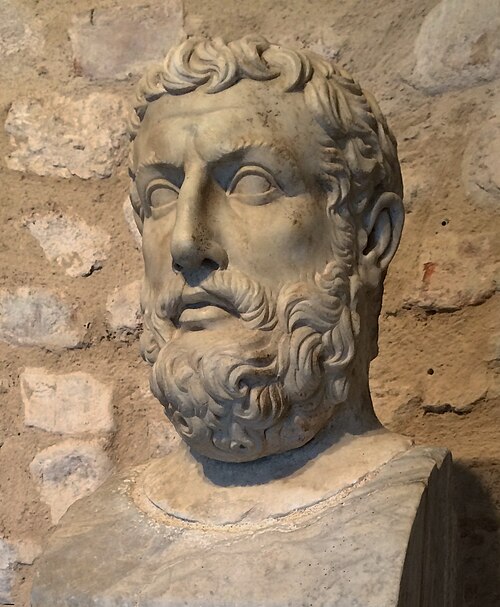
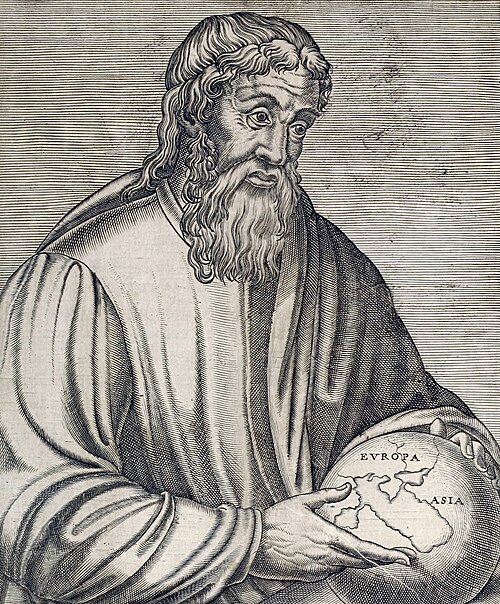
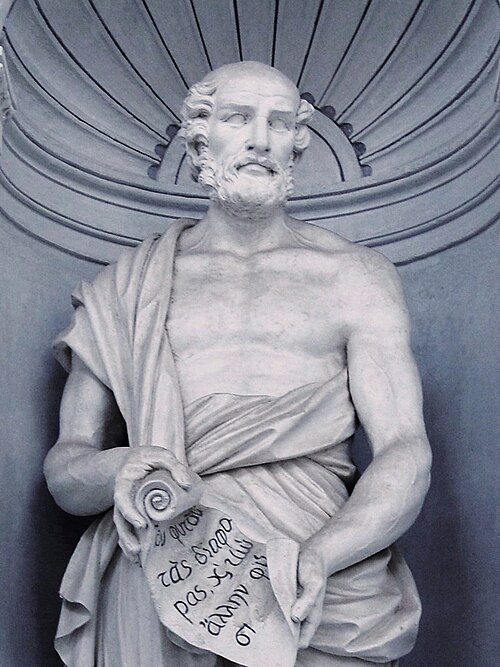
Pheidias worked in fifth-century Athens during the age of Pericles. Ancient sources call him the son of Charmides, but they do not provide a secure modern-style biography. His birth and death dates are uncertain, and the chronology of some works is debated. The dedication of Athena Parthenos in 438 BC provides a firmer point in a career whose beginning and end cannot be reconstructed with equal confidence.
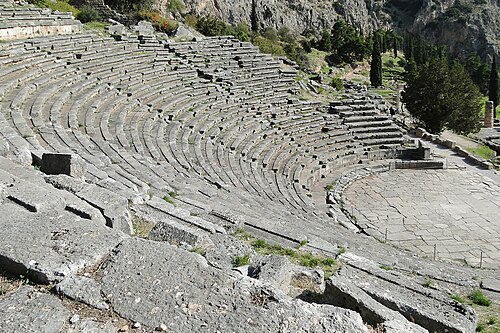
He also worked at Olympia, where the sanctuary of Zeus commissioned a colossal seated image. The building identified as his workshop and material found there connect the famous name with the practical setting of production. Such evidence reminds us that sculpture involved tools, assistants, materials and organisation. Later writers recount accusations, political hostility and competing stories about his death. Those reports should not be combined into one certain courtroom narrative or a fixed date of execution. The relationship with Periclean Athens mattered, but fame does not fill every gap in the evidence. His commissions brought Athenian craftsmanship into two major sacred settings. The Acropolis belonged to the civic landscape of Athens, while Olympia drew visitors from across the Greek world for worship and athletic festivals.
Works

Athena Parthenos stood inside the Parthenon and Zeus inside his temple at Olympia. Gold and ivory over internal structures made these technically complex religious images, not plain marble statues. Athena Promachos, a different monumental Athena on the Acropolis, was bronze and is also lost. Ancient testimony attributes it to Pheidias. These materials and settings matter when imagining works that cannot now be viewed intact.
His role in the Parthenon’s architectural sculpture is usually understood in terms of design or artistic direction and workshop organisation. It does not mean he personally carved every surviving figure. Museum labels can accordingly identify “Pheidias’ workshop” rather than an individual hand. Later reduced copies offer another kind of evidence: the marble Varvakeion Athena in Athens preserves aspects of Athena Parthenos, but its material, scale and date differ from the original. It cannot supply every missing detail. Pausanias, writing centuries after Pheidias, describes the great statues and quotes the signature beneath Zeus’s feet. His account preserves the sculptor’s name, father and Athenian origin in the voice of the statue: it says that Pheidias “made me.” The signature is known through that account, since Zeus and its inscription are lost. Alongside later copies and workshop finds, the description conveys how an ancient visitor encountered the monument.
Legacy in Greece today
Pheidias connects Greek art with useful museum language. In Athens, look at the Varvakeion Athena in the National Archaeological Museum or an official photograph of it. At Olympia, workshop remains offer a different route into how sculpture was made. Neither encounter presents the lost gold-and-ivory originals themselves.
Describe the Athena copy with άγαλμα, μάρμαρο and ασπίδα. Write Η θεά στέκεται and place a feature with δίπλα or στο κεφάλι. Find αντίγραφο on a label and explain why it matters. Compare the reported ancient ἐποίησε with modern έφτιαξε in the rendering. The B1 task uses supported Modern Greek and a visible object, rather than assuming that ancient art prose is already easy to read.
Did you know?
- Athena Parthenos and the Olympian Zeus are both lost.
- The Varvakeion Athena is a later marble copy, not Pheidias’ original.
- Parthenon sculpture involved a workshop, not one pair of hands.
Key works
| Greek title | Title | Year |
|---|---|---|
| Αθηνά Πρόμαχος | Athena Promachos: lost bronze attributed to Pheidias | 5th century BC; dating debated |
| Αθηνά Παρθένος | Athena Parthenos: lost gold-and-ivory statue | 438 BC dedication |
| Δίας της Ολυμπίας | Zeus at Olympia: lost gold-and-ivory statue | 5th century BC; dating debated |
| Γλυπτικός διάκοσμος του Παρθενώνα | Parthenon sculpture: associated workshop programme | 447–432 BC; workshop programme |
A line to remember
Φειδίας Χαρμίδου υἱὸς Ἀθηναῖός μʼ ἐποίησε.
In today's GreekΜε έφτιαξε ο Φειδίας, ο Αθηναίος, γιος του Χαρμίδη.
Pheidias Kharmidou huios Athēnaios m’ epoiēse.
Pheidias, son of Charmides, an Athenian, made me.