Life
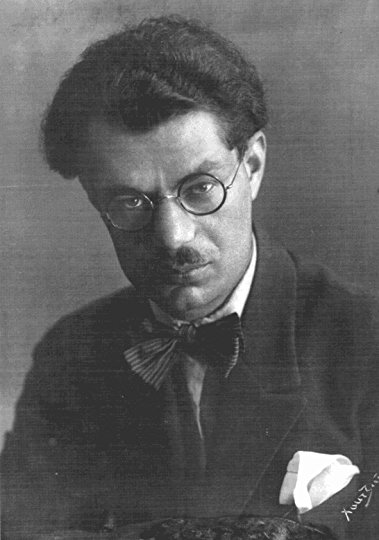
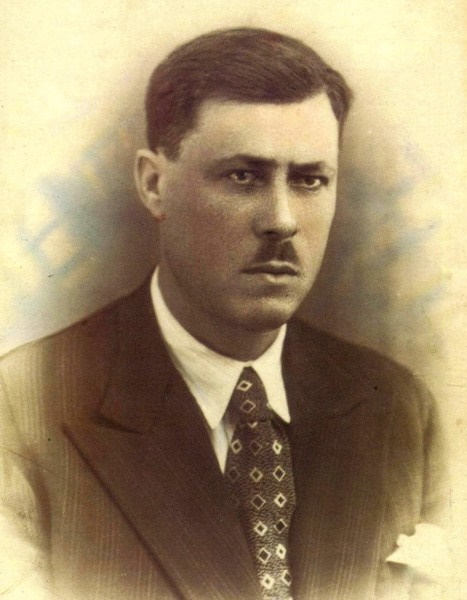
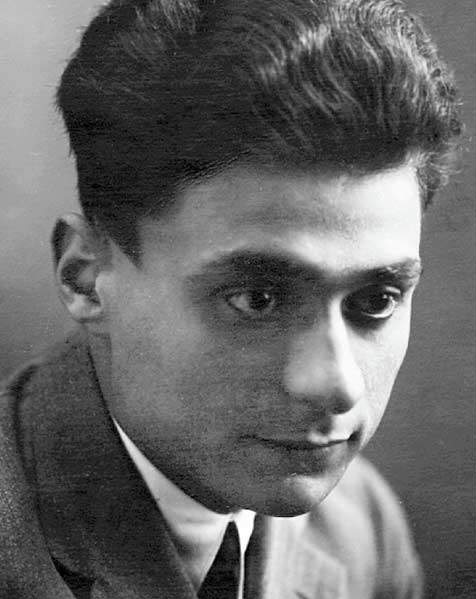
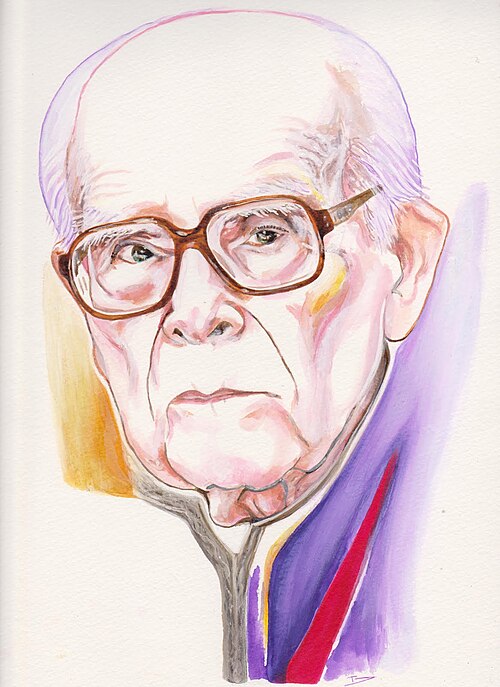
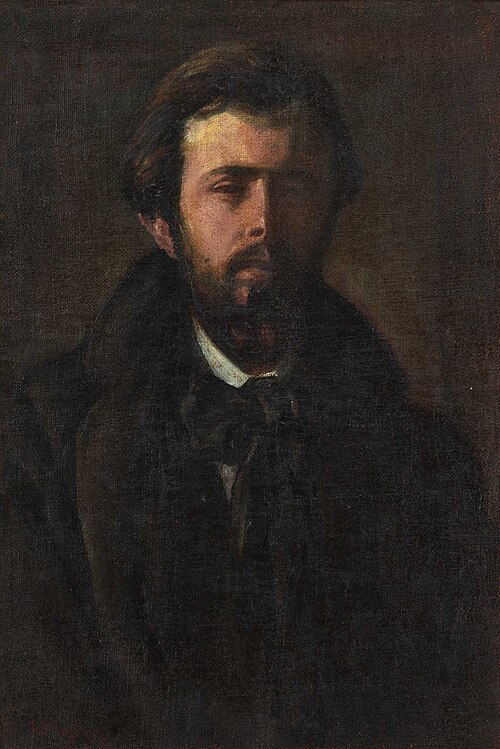
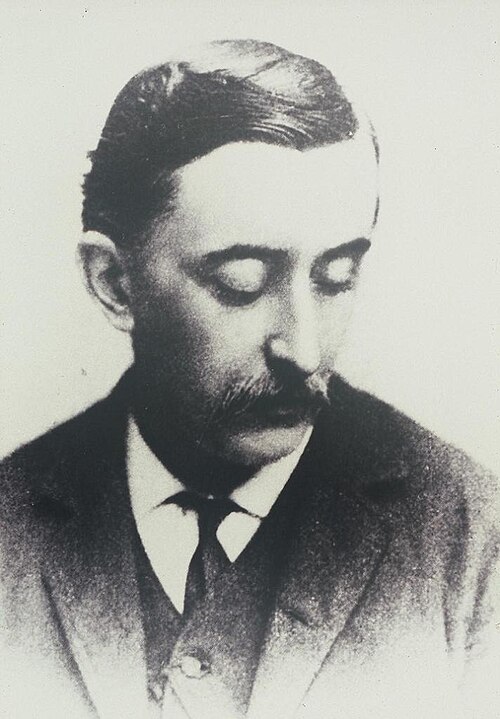
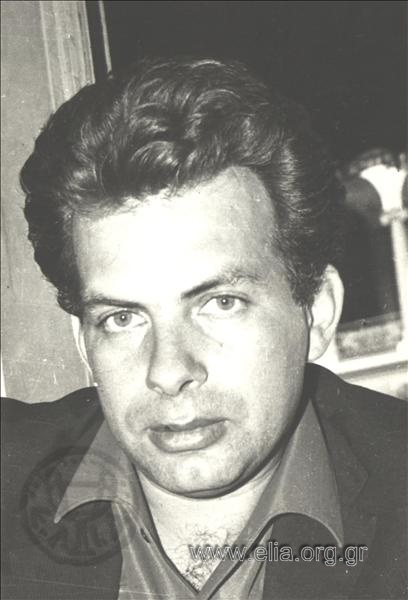
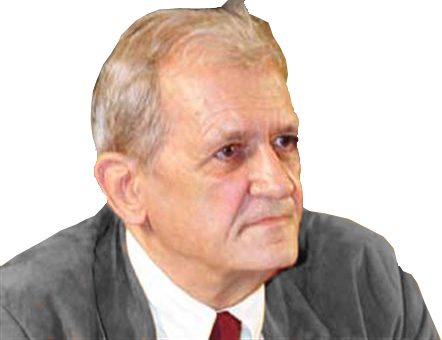
Aris Alexandrou was the pen name of Aristotelis Vasiliadis, born in 1922 in what is now Saint Petersburg. He came to Greece in 1928 and settled in Athens in 1930. After graduating from Varvakeio school in 1940, he attended economics courses for two years. He then began working as a literary translator in 1942, using the name by which his books became known.
During the German Occupation he joined the Resistance, but later left his organisation after disagreeing with accusations against fellow members. British military authorities arrested him in December 1944 and detained him at El Daba; he returned in 1945. Political persecution brought internal exile on Greek islands in 1948–1951. In 1953 he was sentenced for refusing military service and remained in prison until 1958.
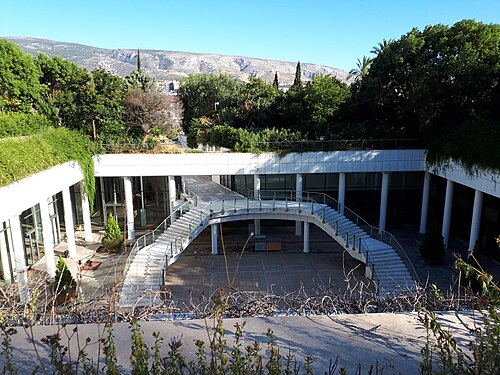
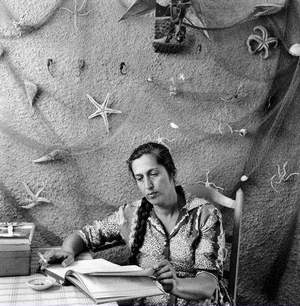
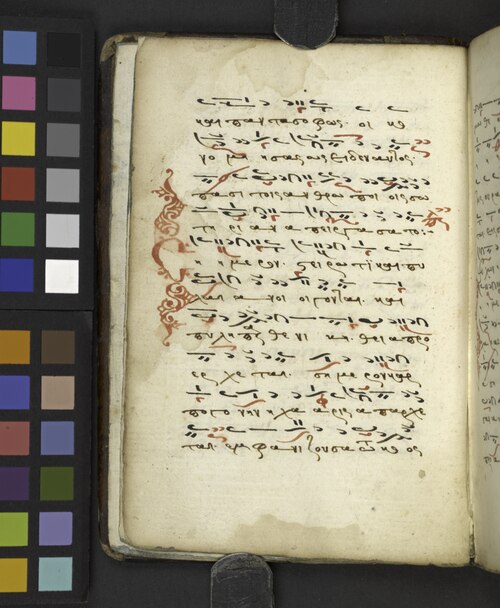
After the dictatorship was imposed in 1967, he moved to Paris, where he supported himself through manual work and continued writing. Translation remained central to his contribution, bringing Russian, French and English literature into Greek. He died in Paris in 1978. His literary papers, preserved at ELIA-MIET alongside those of Kaiti Drosou, include drafts, translations and correspondence that document the work behind his published books. The archive also contains a draft plan for teaching Greek as a foreign language.
Works

Poetry remained a sustained part of Alexandrou’s writing. Ακόμα τούτη η άνοιξη (Still This Spring, 1946), Άγονος γραμμή (Barren Line, 1952) and Ευθύτης οδών (Straightener of Roads, 1959) trace a movement through commitment, disappointment and resistance to dogmatism. His translating also made writers such as Dostoevsky and Gorky available in Greek, giving him a place in literary culture beyond his original works.
Το κιβώτιο (The Box) is his only novel. Set in the Civil War’s final year, 1949, it follows a mission to transport a mysterious box. A sole survivor delivers it, but it is empty. The imprisoned narrator addresses an unknown interrogator through written statements. His changing account makes the reader consider observation, interpretation and the wish to justify oneself. This is literary fiction about authority and belief, with a narrative voice that invites questioning.
Έξω απ’ τα δόντια (Speaking Plainly, 1977) gathers essays and other writings from 1937–1975. Reflections on language, translation and politics show independence from organisations alongside solidarity with people persecuted by different regimes. The Patakis edition of 2021 renews access to these writings. Its presentation includes his statement of political independence from the text Ένδον ρήματα (Inner Words). A new collected edition, Ποιήματα 1941–1974 (Poems 1941–1974), appeared in 2026.
Legacy in Greece today
Alexandrou’s literary voice keeps questions open, while his translations enlarge what can be read in Greek. Το κιβώτιο offers a starting point for a useful everyday distinction: what do I know, and what am I only supposing? Read the adapted B1 passage and compare Ξέρω ότι το κιβώτιο είναι άδειο. with Ίσως ήταν πάντα άδειο. Draw your own open box, mark what is visible now and invent one possible explanation of its past. Keep ξέρω ότι for the stated knowledge and ίσως for the conjecture. Explain the difference aloud. The original novel requires further reading support; these are independent teaching examples.
Did you know?
- Aris Alexandrou was the pen name of Aristotelis Vasiliadis (1922–1978).
- Poet and literary translator; Το κιβώτιο (The Box) is his only novel.
- Kedros’s book record dates Το κιβώτιο to 1974, while its author biography gives 1975.
- Έξω απ’ τα δόντια (Speaking Plainly) first appeared in 1977; the cited Patakis edition is from 2021.
Key works
| Greek title | Title | Year |
|---|---|---|
| Ακόμα τούτη η άνοιξη | Still This Spring — poetry | 1946 |
| Άγονος γραμμή | Barren Line — poetry | 1952 |
| Ευθύτης οδών | Straightener of Roads — poetry | 1959 |
| Το κιβώτιο | The Box — novel; publisher records differ on year | 1974/1975 |
| Έξω απ’ τα δόντια | Speaking Plainly — essays and other writings, 1937–1975 | 1977 |
A line to remember
Δεν ανήκω σε κανένα κόμμα και σε καμιά πολιτική οργάνωση.
Den aníko se kanéna kómma kai se kamiá politikí orgánosi.
I belong to no party and to no political organisation.