Life
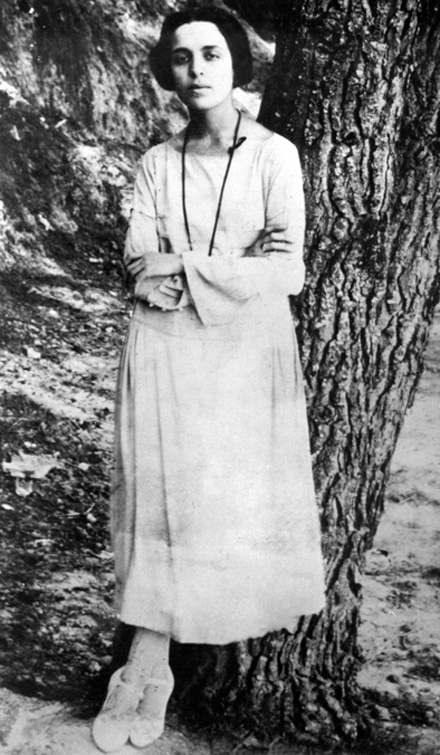
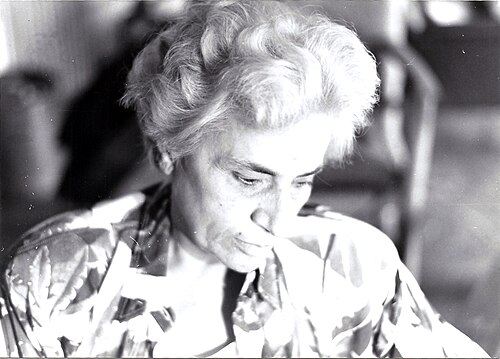
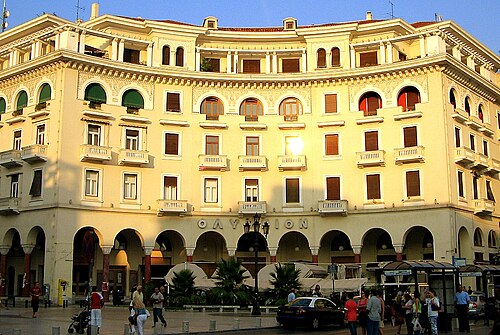
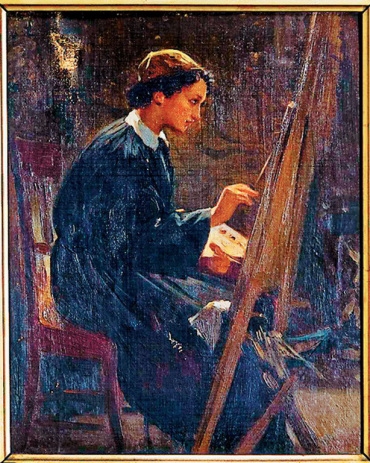
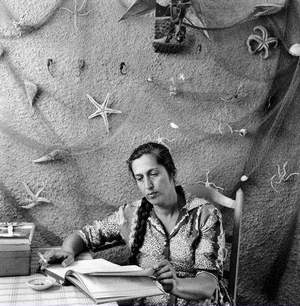
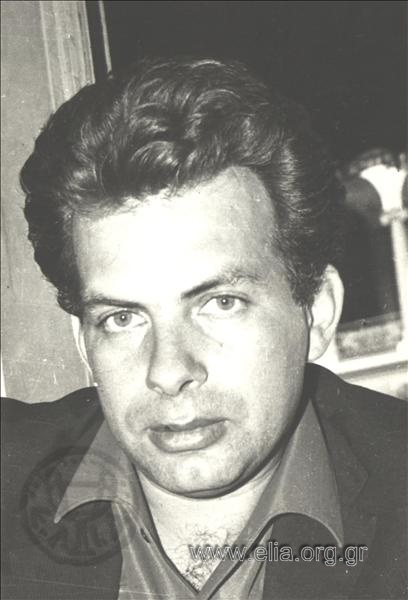
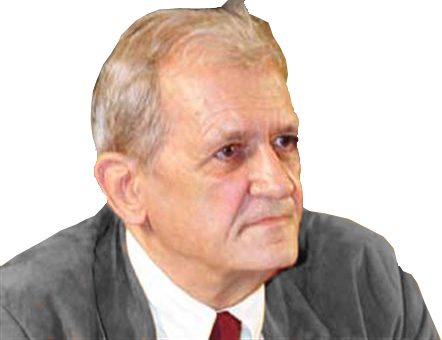
Aravantinou was the literary name of Vasiliki Gikopoulou. She grew up in Thessaloniki, attended law classes there and later studied humanities in Athens. Theatre training with Karolos Koun and work with Katerina’s company formed another early encounter with language and performance. She worked at the Athens office of Associated Press in 1953–1955 and later as a tourist guide, bringing her into contact with different places and speakers.
Her first poetry book, Γραφή Α΄ (Writing A), appeared in 1962. She participated in the circle of the experimental magazine Pali alongside Nanos Valaoritis. A scholarship took her to West Berlin in 1968–1970; periods in Paris during the 1970s connected her with Valaoritis, Andreas Pagoulatos and the magazine Change. Research into Joyce led her to manuscripts and university collections, including visits to the United States. Translation, criticism and original poetry developed together, as she investigated the possibilities of Greek within a wider multilingual literary world. She died in 1998, the year of the collected Γραφές (Writings). Her archive preserves drafts, notes, translations and Joyce research, making the processes behind the published books part of her surviving contribution.
Works

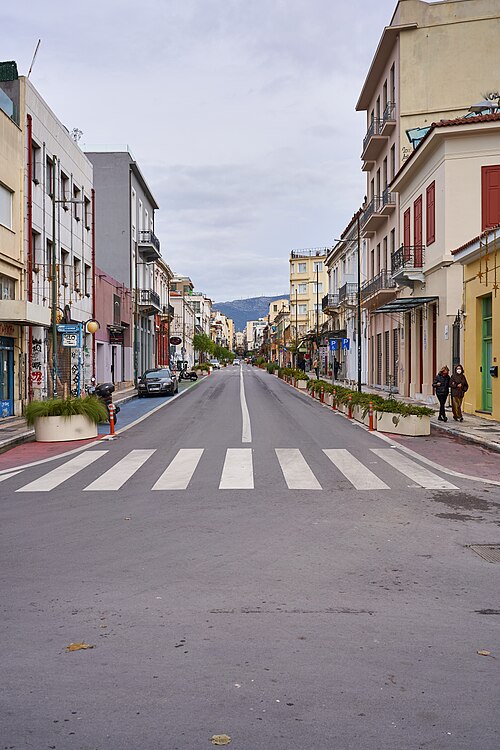
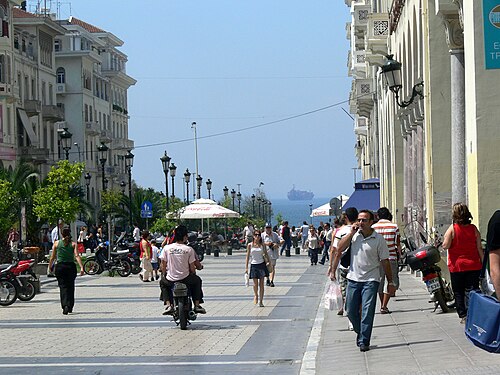
Γραφή Α΄ (Writing A), 1962, Γραφή Β΄ (Writing B), 1964, and Γραφή Γ΄ (Writing C), 1971, establish a continuing investigation rather than a series of conventional personal lyrics. Memory, sensation, rooms, streets and repeated verbal structures become material for constructing an experience. In the passage quoted here, the poetic speaker’s relation to the street gives familiar words an unusually concentrated force. The sentence can be understood directly while the surrounding work asks much more from its reader.
Μετα-γραφή ή εμπειρία συνόρων (Trans-Writing, or Experience of Borders), 1975, extends her writing into prose. Τα ελληνικά του Τζαίημς Τζόυς (The Greek of James Joyce), 1977, belongs to literary scholarship and examines Joyce’s Greek connections. Her translations, including Dubliners, brought his English-language prose to Greek readers; they remain distinct from her own authored studies. Her archive preserves working notes and drafts from that research. The collected Γραφές Α, Β, Γ, Δ, Ε, Ζ (Writings A, B, C, D, E, Z), 1998, gathers the poetic sequence. These books place original Greek composition, translation and research beside one another, with attention to how language organises a world.
Legacy in Greece today
Aravantinou’s books and archival drafts preserve a distinctive route through postwar Greek experimentation. Her Joyce translations also show Greek as a language that receives, examines and transforms other literary voices. The short line supplied here offers a manageable starting point within a demanding poetic work.
Use the passage’s own models: «Ο δρόμος είναι δικός μου», «Η φωνή είναι δική μου», «Το τετράδιο είναι δικό μου». Match each form to its noun’s gender, then change μου to σου. Read the three sentences aloud and explain the change. The poetic street suggests a personal relation to place; the new examples practise everyday agreement. B1 describes this supported Modern Greek activity, with one short quotation and an adapted reading.
Did you know?
- Her first Γραφή volume appeared in 1962.
- She translated Joyce and wrote her own study of his Greek connections.
- Her archive preserves literary drafts as well as Joyce research.
Key works
| Greek title | Title | Year |
|---|---|---|
| Γραφή Α΄ | Writing Α | 1962 |
| Γραφή Β΄ | Writing Β | 1964 |
| Γραφή Γ΄ | Writing Γ | 1971 |
| Μετα-γραφή ή εμπειρία συνόρων | Trans-Writing, or Experience of Borders | 1975 |
| Τα ελληνικά του Τζαίημς Τζόυς | The Greek of James Joyce | 1977 |
| Γραφές Α, Β, Γ, Δ, Ε, Ζ — συγκεντρωτική έκδοση | Writings A, B, C, D, E, Z — collected edition | 1998 |
A line to remember
Ο δρόμος είναι μόνο δικός μου.
O drómos eínai móno dikós mou.
The street is mine alone.