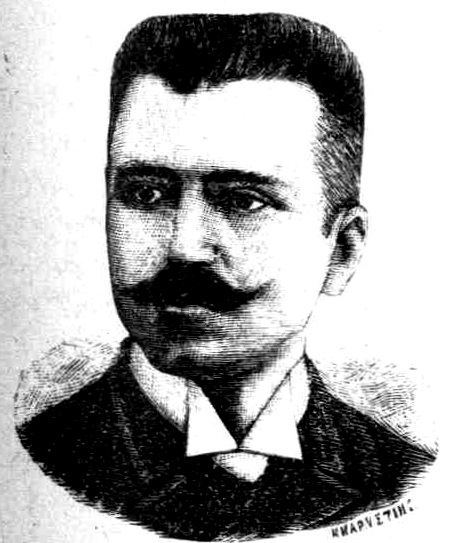
Life
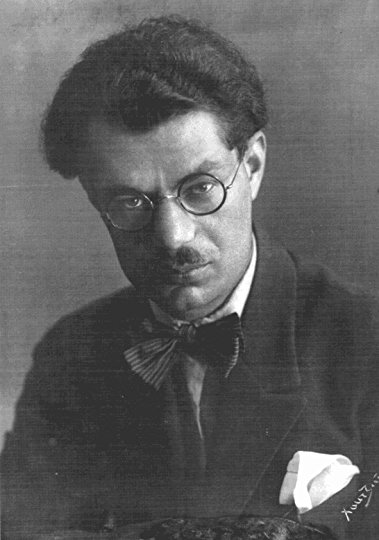
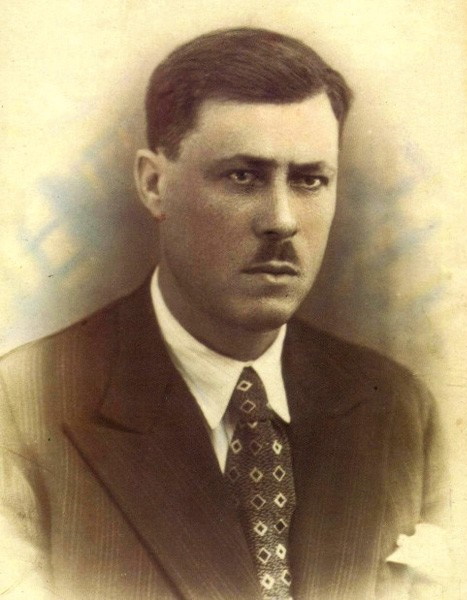
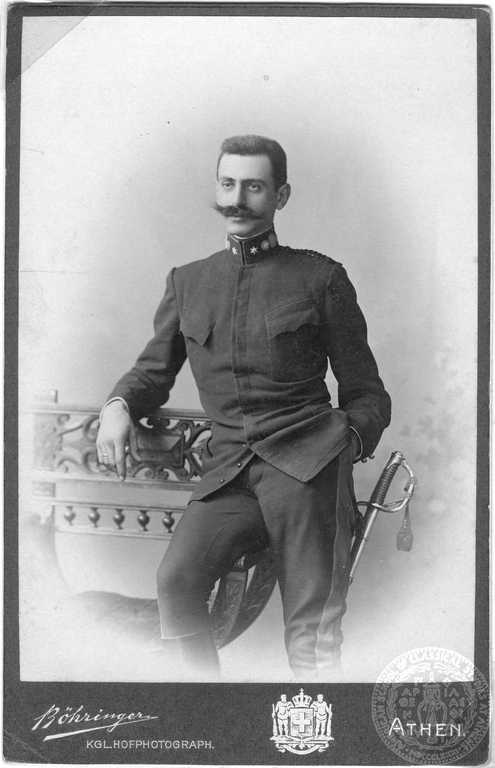
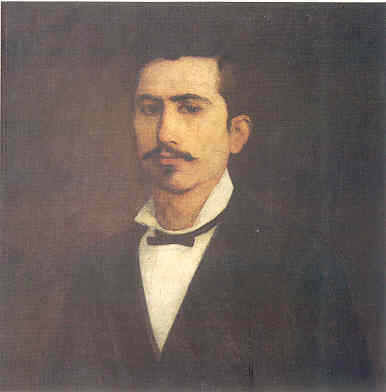
Kondylakis was born in December 1861 in Ano Viannos, a mountain village in the south of Crete, then still part of the Ottoman Empire. He went to school in Crete and then went to Athens, where he finished the Varvakeio school in 1884 and attended the university's Philosophical School without taking a degree. Back in Crete, he taught for a short time in village schools, an experience he later turned into literature.
Journalism was his real profession. In Crete he wrote for local papers, and his articles annoyed the Ottoman authorities, who expelled him from the island in 1889. He settled in Athens in 1889 and wrote for the main newspapers of the time, Άστυ, Σκριπ and Εστία. For about twenty years he was an editor of Εμπρός and wrote its daily column, thousands of pieces signed Διαβάτης (the Passer-by). He was always poor and joked about it, signing some articles «Jean Sans Terre» (John Lackland). He was a founder and the first president of the Athens journalists' union, ΕΣΗΕΑ. He suffered a stroke in 1920 and died in a hospital in Heraklion, Crete, on 25 July 1920.
Works

Kondylakis belongs to the generation of the ηθογραφία (ethography), the realist fiction of Greek village life of the 1880s and 1890s, alongside Papadiamantis and Karkavitsas. His best-known novel, Ο Πατούχας (Patouchas, 1892), tells of a giant, ugly, naive young shepherd from the mountains of Viannos who discovers love and desire and wants to marry, to the great amusement of the village. The humour is broad, but the book is full of real Cretan life: speech, customs, festivals, the rough tenderness of the mountain people.
Οι άθλιοι των Αθηνών (The Wretched of Athens, 1895), whose title echoes Victor Hugo, moves to the capital and shows its poor, its crooks and its corrupt politics. The collection Όταν ήμουν δάσκαλος (When I Was a Teacher, 1916) contains the famous title story, the memory of a young village teacher and his shy feelings, told with gentle irony at his own expense. Η πρώτη αγάπη (First Love, 1919), his only book in demotic Greek, is a delicate study of a boy's first passion, and critics see in it a turn from ethography towards psychology. Above all, Kondylakis practically invented the χρονογράφημα, the short daily column of observation and humour; Pavlos Nirvanas called him «the father of the chronicle».
Legacy in Greece today
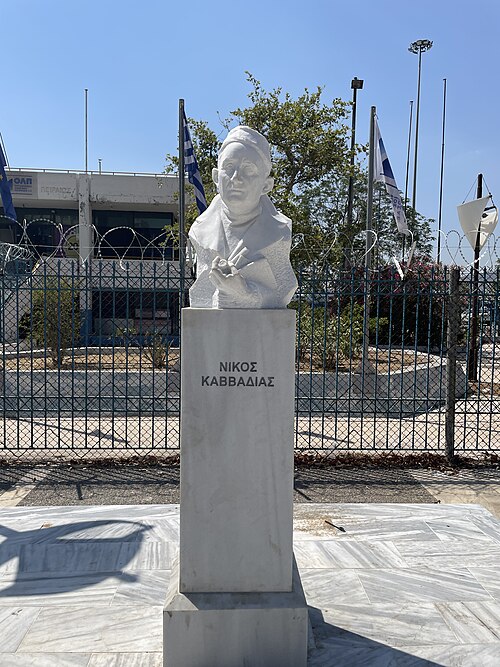
Greek pupils meet Kondylakis through Όταν ήμουν δάσκαλος, which is often included in school anthologies and is a good first story for a learner who wants a complete text. The word Πατούχας is still used, half-jokingly, for a big, awkward, good-hearted man. In Viannos there is a bust of him; streets in several Greek towns carry his name. The daily newspaper column, which every Greek paper still has, owes him its form, and the journalists' union he helped found is still the main union of Athens journalists. His books are out of copyright, and Όταν ήμουν δάσκαλος can be read free online on the Greek Wikisource.
Did you know?
- Pavlos Nirvanas called him «the father of the chronicle», the short daily newspaper column.
- The Ottoman authorities expelled him from Crete in 1889 because of his articles.
- He signed with many pen names, including Διαβάτης (the Passer-by) and Jean Sans Terre (John Lackland), a joke about his poverty.
- He was the first president of ΕΣΗΕΑ, the union of Athens journalists.
Key works
| Greek title | Title | Year |
|---|---|---|
| Ο Πατούχας | Patouchas (novel) | 1892 |
| Οι άθλιοι των Αθηνών | The Wretched of Athens (novel) | 1895 |
| Όταν ήμουν δάσκαλος | When I Was a Teacher (stories) | 1916 |
| Η πρώτη αγάπη | First Love (novella) | 1919 |
| Ενώ διέβαινα | As I Passed By (collected newspaper chronicles) |
From the works

Public-domain pictures from Wikimedia Commons.
A line to remember
Μίαν ημέραν, εις την προκυμαίαν των Χανίων μ' επλησίασεν ένας κύριος, φίλος οικογενειακός.
In today's GreekΜια μέρα, στην προκυμαία των Χανίων, με πλησίασε ένας κύριος, οικογενειακός φίλος.
Mian imeran, eis tin prokymaian ton Chanion m' eplisiasen enas kyrios, filos oikogeneiakos.
One day, on the quayside of Chania, a gentleman, a friend of the family, came up to me.