Life
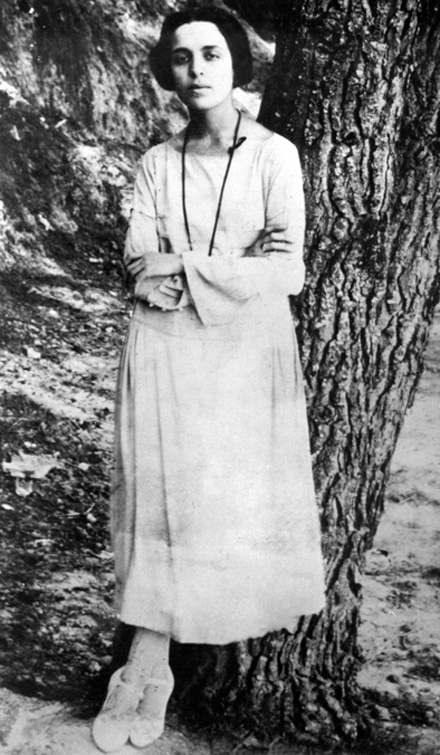
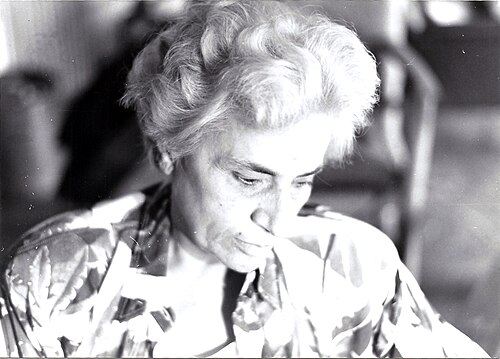
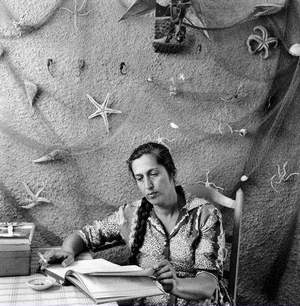
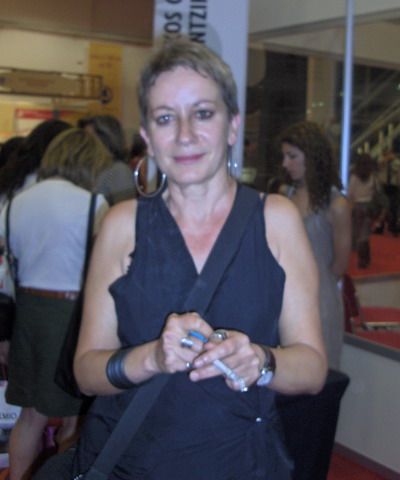
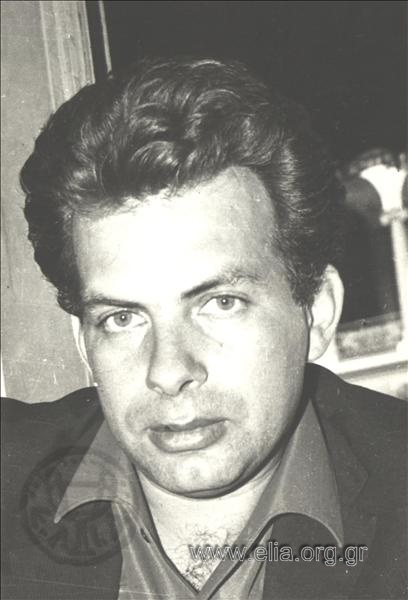
Alinda Dimitriou, also credited as Alida Dimitriou, was born in Athens in 1933 and studied directing at the Stavrakos film school. During the early 1970s she organised screenings, attended short-film seminars and wrote or translated articles for cinema magazines. Her engagement with film included showing, discussing and documenting work as well as directing it. She later published a lexicon of short films in 1992.
Her documentaries examined working lives and social relations. Οι καρβουνιάρηδες (The Charcoal Burners, 1977) followed charcoal production in Euboea and the families whose livelihoods depended on it. Other work explored a local feast, theatre during the Occupation, human rights and women’s lives. She also worked in industrial documentary and learned digital editing, keeping practical film craft alongside a clear political commitment.
Late in her career, Dimitriou recorded women’s accounts of resistance, persecution and survival. Πουλιά στο βάλτο (Birds in the Mire, 2008) received the audience award at the Thessaloniki Documentary Festival. Η ζωή στους βράχους (Among the Rocks, 2009) and Τα κορίτσια της βροχής (The Girls of the Rain, 2011) completed the trilogy. She died in 2013. Festival retrospectives have continued to bring both these testimonies and earlier films about labour back into view.
Works

Οι καρβουνιάρηδες (The Charcoal Burners, 1977) links the stages of charcoal production with the uncertainty facing producers and merchants. Black-and-white images follow work in Euboea’s forests, while conversation opens onto the lives of entire families. Σπάτα, το στιφάδο του Αγίου Πέτρου (Spata: Saint Peter’s Stew, 1978) turns towards a local feast. Το θέατρο στο βουνό (Theatre on the Mountain, 1985) looks back at theatre organised during the Occupation.
The later trilogy puts women’s spoken accounts at its centre. Πουλιά στο βάλτο (Birds in the Mire, 2008) concerns women’s participation in resistance during the 1941–1944 Occupation and its consequences. Η ζωή στους βράχους (Among the Rocks, 2009) follows persecution, civil-war experiences and exile after 1945. Τα κορίτσια της βροχής (The Girls of the Rain, 2011) records women who resisted the military dictatorship.
These are memories spoken decades after the events, shaped into films by a director with an explicit political perspective. The women of the Left speak through individual voices, rhythms and silences. Listening involves noticing who remembers, what moment she describes and how one account sits beside another. The films join oral history with choices of framing, sequence and editing; their force comes from this encounter between a speaker and a listener.
Legacy in Greece today
Listen to this page’s adapted Greek passage and follow the text. Find τότε and μετά, then notice a pause in the reading. Write two original sentences about a small memory of your own, placing the events in order. Read them aloud, then restate them beginning θυμάμαι ότι. With a partner, you can report her words with η φίλη μου θυμάται ότι. Keep clear who remembers and who is retelling. This is your language practice, inspired by Dimitriou’s attention to a speaker; the adapted passage is teaching material. If you later watch Πουλιά στο βάλτο, carry that attention to the testimony while using whatever explanation you need. A whole documentary requires additional vocabulary and historical context.
Did you know?
- The Charcoal Burners follows families at work in Euboea’s forests in black and white.
- Birds in the Mire received Thessaloniki’s documentary audience award in 2008.
- The Girls of the Rain completed her trilogy in 2011.
Key works
| Greek title | Title | Year |
|---|---|---|
| Οι καρβουνιάρηδες | The Charcoal Burners | 1977 |
| Σπάτα, το στιφάδο του Αγίου Πέτρου | Spata: Saint Peter’s Stew | 1978 |
| Το θέατρο στο βουνό | Theatre on the Mountain | 1985 |
| Πουλιά στο βάλτο | Birds in the Mire | 2008 |
| Η ζωή στους βράχους | Among the Rocks | 2009 |
| Τα κορίτσια της βροχής | The Girls of the Rain | 2011 |
A line to remember
Το ντοκιμαντέρ πιστεύω ότι πρέπει να είναι πολιτισμική αντανάκλαση της κοινωνίας.
To ntokimanter pistevo oti prepei na einai politismiki antanaklasi tis koinonias.
I believe documentary should be a cultural reflection of society.