Life
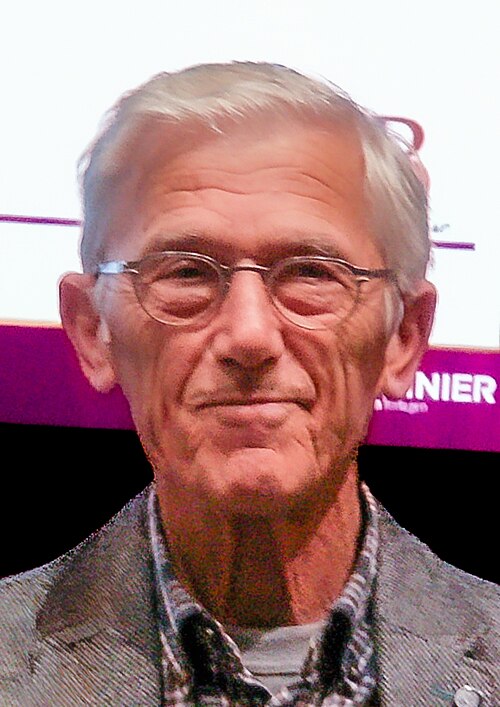
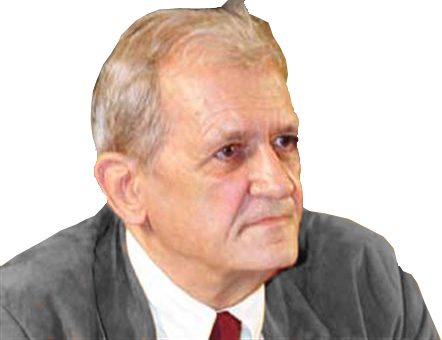
Leonidas Kavakos was born into a musical family in Athens in 1967. His father introduced him to the violin. He continued at the Hellenic Conservatory with Stelios Kafantaris and later studied with Josef Gingold at Indiana University, supported by an Onassis scholarship. These different teachers helped shape a performer whose work combines precision with a personal approach to musical structure.
He won the Sibelius Competition in 1985 and the Paganini and Naumburg competitions in 1988. An international career followed, bringing orchestral concerts, recitals and chamber music. Conducting became another part of his work. In his 2019 Beethoven recording with the Bavarian Radio Symphony Orchestra, he both plays the violin concerto and directs the orchestra.
Kavakos also maintains an educational presence in Greece through violin and chamber-music masterclasses in Athens. He was elected a regular member of the Academy of Athens in 2022. In a Greek interview in 2024, he recalled going to Helsinki for the experience of encountering a place, its music and its people, rather than only pursuing victory. His teaching and interviews connect an international performing career with reflection on how people learn and listen.
Works

Kavakos’s art involves shaping an existing score into a living performance. The violin’s articulation, the length of a musical phrase and the relationship between individual voices can change how a listener follows a work. His solo, chamber and conducting activities approach this problem at different scales, from one instrument to an orchestra.
Bach: Sei Solo, released in 2022, presents the Sonatas and Partitas for unaccompanied violin. Recorded in Berlin in December 2020, it explores the structures that a single instrument can suggest. Bach: Violin Concertos, released in 2024 with the ApollΩn Ensemble, places the violin in conversation with other players. Both recordings return to Bach through different performing forces and questions of sound.
In Beethoven for Three, he joins pianist Emanuel Ax and cellist Yo-Yo Ma. The 2022 recording of Symphonies Nos. 2 and 5 uses arrangements by Ferdinand Ries and Colin Matthews respectively; the later Pastoral Symphony recording includes Shai Wosner’s arrangement. Large orchestral ideas become chamber dialogue. Listening for one returning phrase makes these choices audible. The Greek word φράση can name a musical phrase as well as an expression in language, offering a bridge from attentive listening to careful verbal description.
Legacy in Greece today
Choose thirty seconds from Bach: Sei Solo and listen twice to exactly the same passage. First write one Greek observation about a musical phrase, a pause you notice or the continuity of the sound. Listen again and add a different detail. Begin your comparison with Πρώτα άκουσα… and Όταν άκουσα ξανά… Read your notes to a partner, who asks one question in Greek. If you use a performance video, name the bow and string before returning to sound alone. This exercise practises observation, sequence and reformulation. Kavakos’s Greek interview supplies ideas about learning; the violin recording supplies music that you describe in your own Modern Greek.
Did you know?
- He became a regular member of the Academy of Athens in 2022.
- Bach: Sei Solo was recorded in December 2020 and released in 2022.
- His 2022 Beethoven for Three recordings bring together violin, piano and cello.
Key works
| Greek title | Title | Year |
|---|---|---|
| Μπετόβεν: Κοντσέρτο για βιολί | Beethoven: Violin Concerto — violin and direction | 2019 |
| Μπαχ: Σονάτες και παρτίτες για σόλο βιολί | Bach: Sei Solo — solo recording | 2022 |
| Μπετόβεν για τρεις: Συμφωνίες αρ. 2 και 5 | Beethoven for Three: Symphonies Nos. 2 & 5 — arranged for trio | 2022 |
| Μπετόβεν για τρεις: Ποιμενική και Τρίο έργο 1 αρ. 3 | Beethoven for Three: Symphony No. 6 and Op. 1, No. 3 — recording | 2022 |
| Μπαχ: Κοντσέρτα για βιολί | Bach: Violin Concertos — with the ApollΩn Ensemble | 2024 |
A line to remember
Πήγα για την εμπειρία.
Píga gia tin empiría.
I went for the experience.