Life
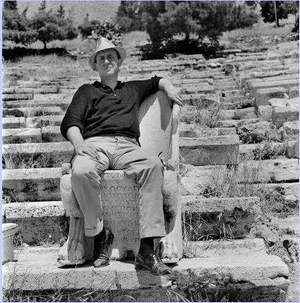
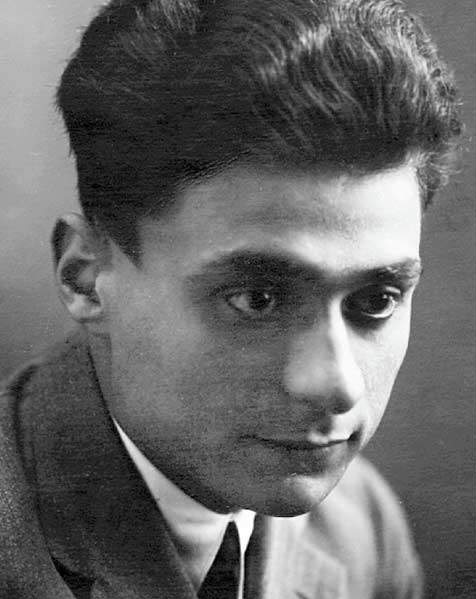
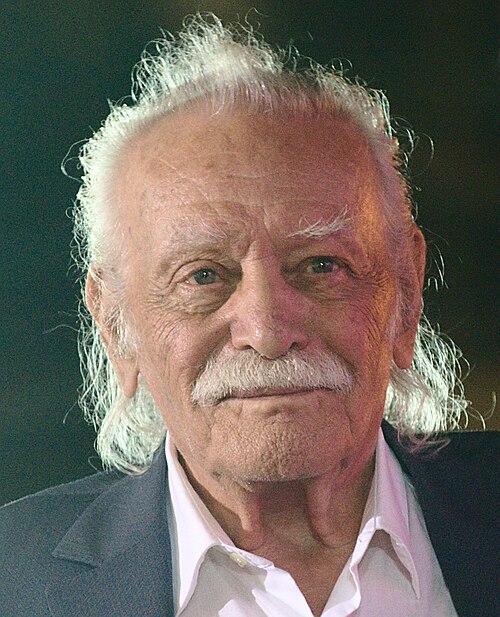
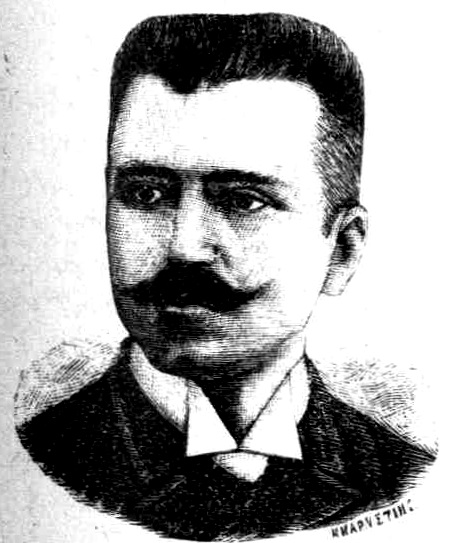
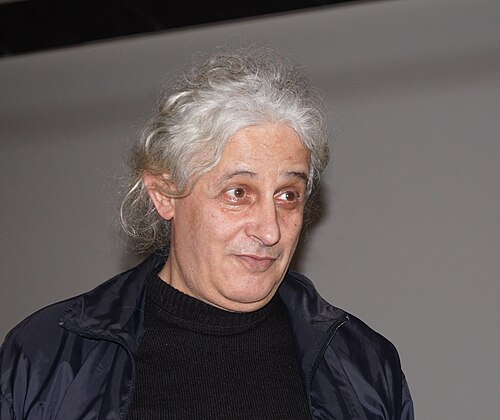
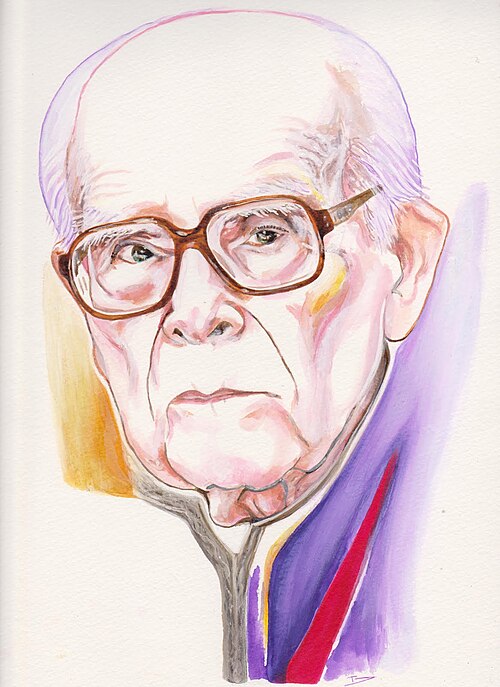
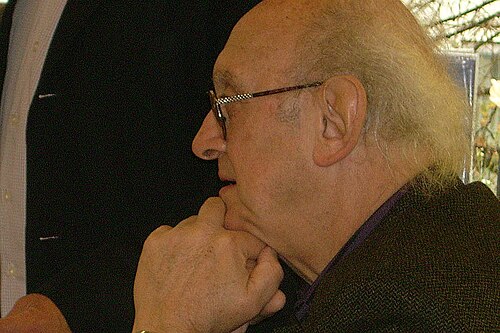
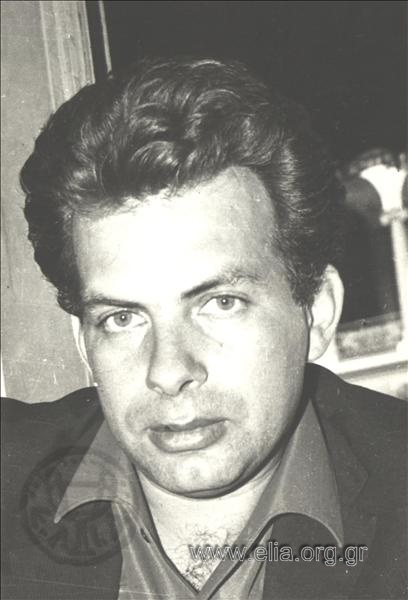
Nikos Koundouros, also written Níkos Koúndouros, was a Greek filmmaker with Cretan roots, born in 1926. He studied painting and sculpture at the Athens School of Fine Arts, graduating in 1948. This education remained visible in his attention to faces, bodies, light and the arrangement of figures within a frame.
He joined the left-wing Resistance during the occupation and was later sent into political exile on Makronisos. There he met artists including Thanasis Vengos, who would appear in his films. After his release, he turned towards cinema. His first feature, Μαγική πόλη (Magic City), appeared in 1954, with a screenplay by Margarita Lymberaki. Two years later came Ο Δράκος (The Ogre of Athens), written by Iakovos Kambanellis and starring Dinos Iliopoulos.
During the military dictatorship of 1967–1974, Koundouros spent time abroad, including in Paris, Rome and London. After democracy returned, he filmed political concerts and public gatherings in Greece. His later films revisited traumatic history, while his theatre productions extended his interest in Greek dramatic and musical traditions. He died on 22 February 2017. ERT’s two-part Μονόγραμμα (Monogram), made in 2005, preserves his own account of his artistic and political journey.
Works

Μαγική πόλη (Magic City, 1954) looks at the precarious lives of people in a poor Athens neighbourhood. Its encounters with everyday hardship show the influence of Italian neorealism. In Ο Δράκος (The Ogre of Athens, 1956), an insignificant clerk resembles a wanted criminal and briefly gains acceptance through that mistaken identity. Black-and-white images, theatrical shadows and the contrast between vulnerability and authority give the story its unsettling force.
The film also makes collaboration easy to see: Koundouros directed, Iakovos Kambanellis wrote the screenplay, Manos Hadjidakis composed the music and Dinos Iliopoulos played Thomas. These are different creative responsibilities. Reading the Greek credits reveals how a film draws together writing, acting, visual composition and sound rather than expressing only one person’s ideas.
Μικρές Αφροδίτες (Young Aphrodites, 1963) moves towards landscape, bodies and desire in an imagined ancient world; it received the FIPRESCI award at Berlin. In 1922 (1978), drawing on Elias Venezis’s Το νούμερο 31328 (Number 31328), Koundouros confronted the Asia Minor catastrophe. Μπάυρον: Μπαλάντα για ένα δαίμονα (Byron: Ballad for a Demon, 1992) follows the poet’s final days in Missolonghi. Across these different subjects, history becomes an experience of fear, exclusion and conflict rather than a parade of heroic certainties.
Legacy in Greece today
The Thessaloniki Film Festival’s Greek entry for Ο Δράκος (The Ogre of Athens) provides a useful starting point. Find Σενάριο and Μουσική, and match them to Iakovos Kambanellis and Manos Hadjidakis; Koundouros is the director. Make three question-and-answer pairs beginning Ποιος σκηνοθέτησε; Ποιος έγραψε; and Ποιος συνέθεσε; Use the names to answer in complete sentences.
Then compare σκηνοθεσία, the activity, with σκηνοθέτης, the person. This vocabulary helps with other Greek festival programmes too. The adapted passage below supports the exercise; the full film’s dialogue needs additional listening support. ERT’s Μονόγραμμα (Monogram) offers a further encounter with Koundouros speaking Greek about the relationship between his art and his experiences.
Did you know?
- He graduated in painting and sculpture in 1948 before making his first feature film.
- Margarita Lymberaki wrote the screenplay of Μαγική πόλη (Magic City).
- The 1963 film Μικρές Αφροδίτες (Young Aphrodites) received Berlin’s FIPRESCI critics’ award.
Key works
| Greek title | Title | Year |
|---|---|---|
| Μαγική πόλη | Magic City | 1954 |
| Ο Δράκος | The Ogre of Athens | 1956 |
| Μικρές Αφροδίτες | Young Aphrodites | 1963 |
| 1922 | 1922 | 1978 |
| Μπάυρον: Μπαλάντα για ένα δαίμονα | Byron: Ballad for a Demon | 1992 |
A line to remember
Πρέπει να ομολογήσω ότι ήταν εύκολο να είμαι ασυμβίβαστος.
Prépei na omologíso óti ítan éfkolo na eímai asymvívastos.
I have to admit that it was easy for me to be uncompromising.