Life
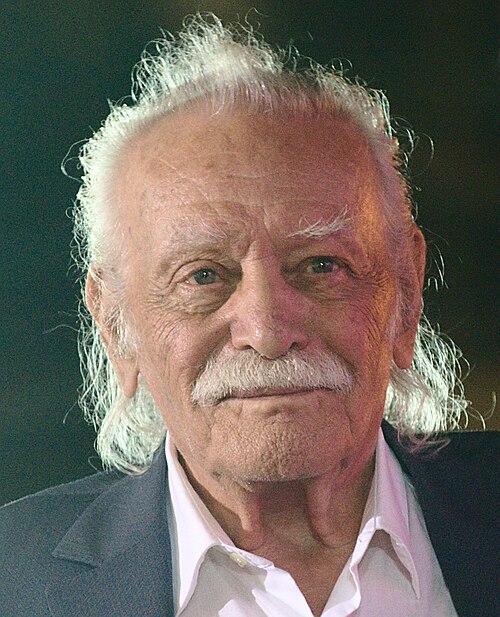
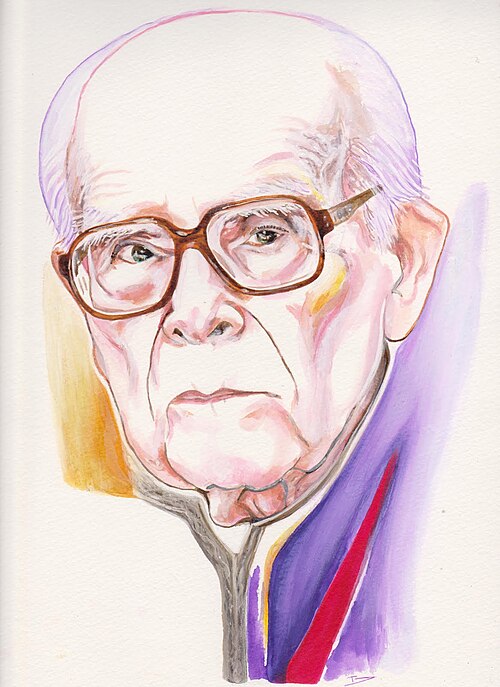
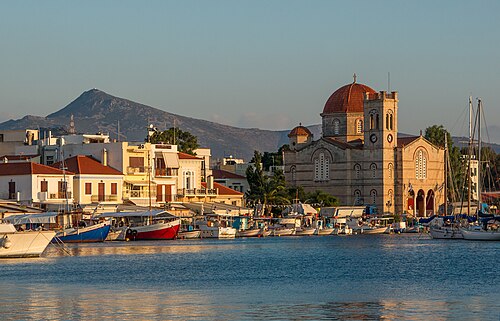
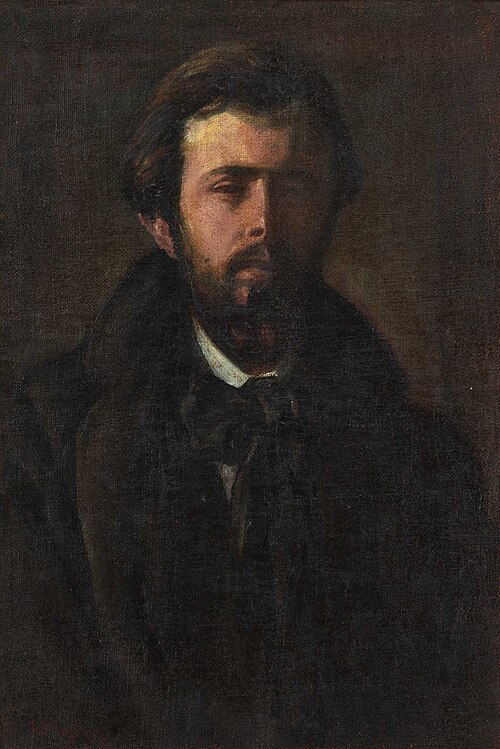
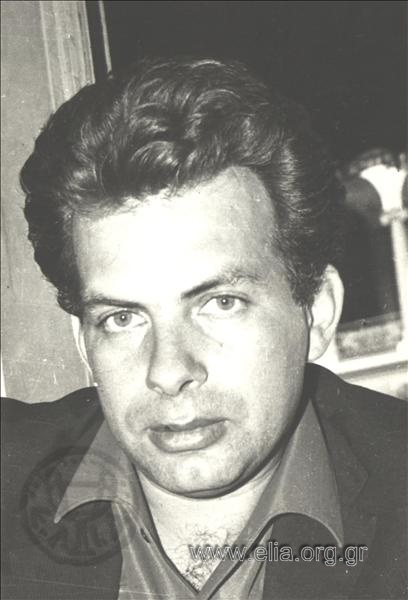
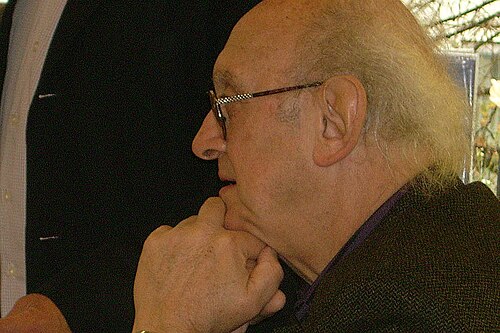
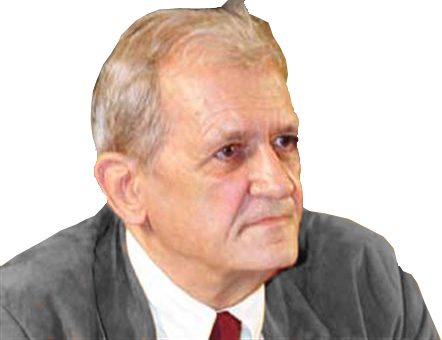
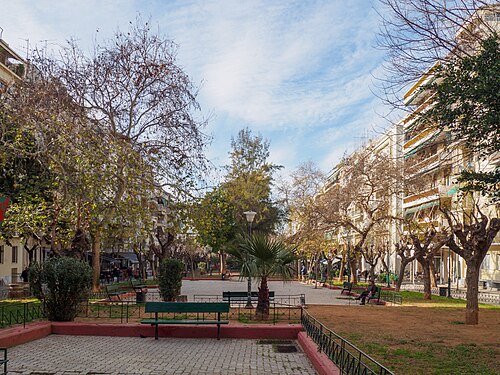
Menis Koumantareas was born in Athens in 1931 and remained closely connected with the city. He worked in shipping and insurance offices until 1981, writing alongside his employment; from 1982 he concentrated on writing. Periods abroad included London in 1948 and West Berlin in 1970, with a DAAD fellowship. The experiences of offices, journeys and urban encounters provided settings for a varied literary career.
In 1961 he published translations of prose by Hemingway, Joyce and Moravia in Ο Ταχυδρόμος (The Postman). His first book, the story collection Τα μηχανάκια (The Pinball Machines), appeared in 1962. During the military dictatorship he faced four trials over Το αρμένισμα (Sailing, 1967), before his acquittal in 1969. He contributed to the anti-dictatorship collection Δεκαοχτώ κείμενα (Eighteen Texts) in 1970.
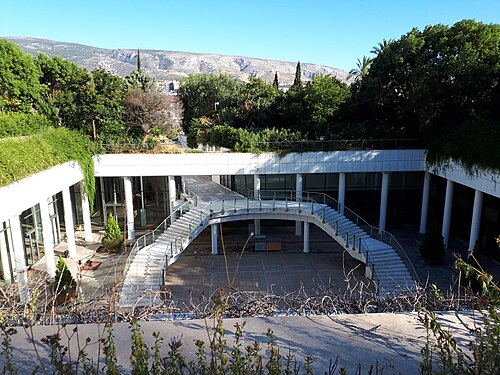
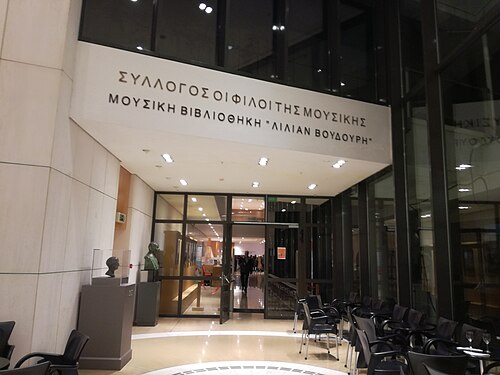
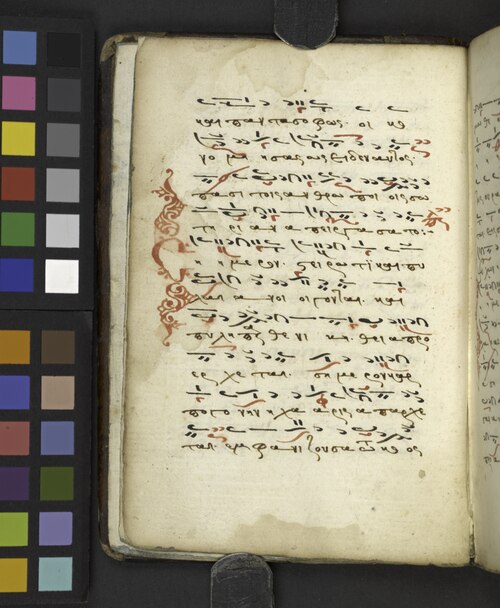
His recognition included four State Literature Prizes and the Academy of Athens’ Kostas and Eleni Ouranis Foundation prize in 2008. A founding member of the Greek Society of Authors, he also participated in theatre and music institutions. In December 2012 he donated his archive to ELIA-MIET. Manuscripts, drafts, translations, correspondence and recordings preserve evidence of his working life. He died in Athens in 2014.
Works

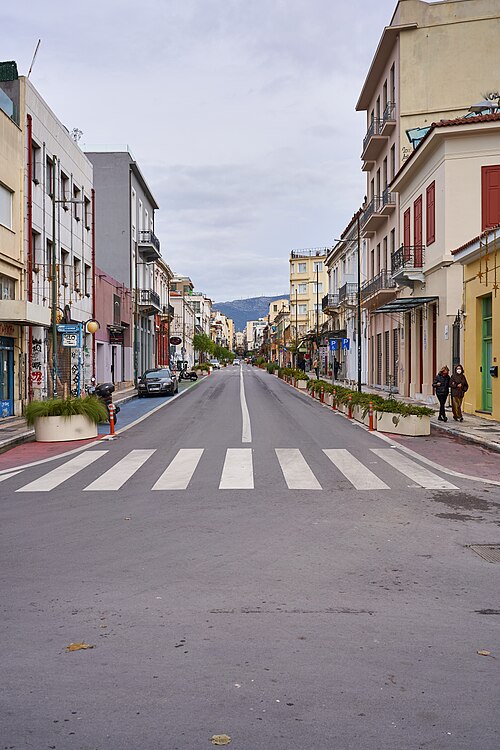
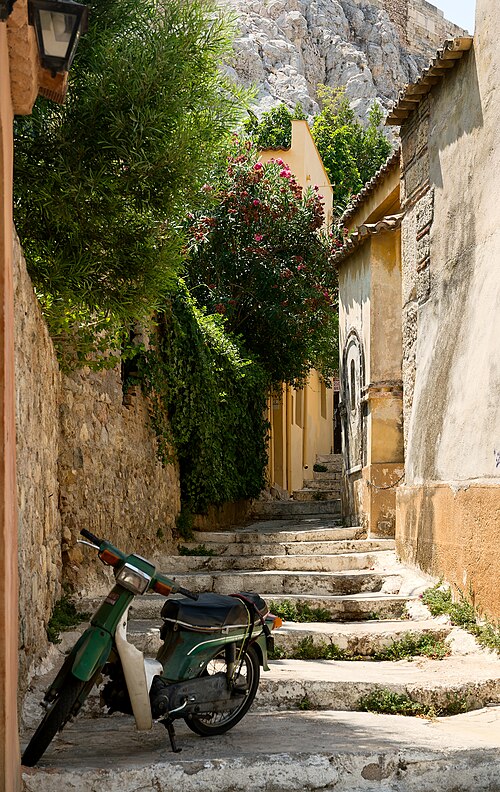
Koumantareas’s Athens is a place of work, movement and encounters between people whose lives do not fit easily together. The story collection Τα μηχανάκια (The Pinball Machines, 1962) follows young people under social and family pressure; its title refers to mechanical games. Βιοτεχνία υαλικών (Glassware Workshop, 1975) centres on Beba and Vlasis Tantis, their glassware business and the dreams and disappointments surrounding it.
Η κυρία Κούλα (Mrs Koula, 1978) makes a suburban railway journey the setting for an unexpected relationship between a mature woman and a young student. Their meetings bring different ages and social expectations into the same carriage. Everyday movement becomes an occasion for intimacy, uncertainty and separation, giving the familiar city a dramatic role.
Το κουρείο (The Barber Shop, 1979) offers another closely observed urban setting. Recalling its revised edition in 2010, the author explained that he and his editor checked whether a mirror allowed a passerby to see a customer’s face. A small spatial detail therefore mattered to the narrative’s credibility. Δυο φορές Έλληνας (Twice Greek, 2001) expands the scale across two families and the years 1949–1990. Alongside this fiction, his translations of writers such as Faulkner and Carroll broadened the literary conversation available in Greek.
Legacy in Greece today
Koumantareas makes the familiar city worth looking at again. His attention to a mirror in Το κουρείο connects literary observation with a practical Modern Greek skill: distinguishing the person who sees from the person who is visible. Read the adapted B1 passage, then draw an imaginary shop window, mirror and chair. Write Ο περαστικός βλέπει τον πελάτη. and Ο πελάτης φαίνεται στον καθρέφτη., keeping the different subjects clear. Move the chair in your drawing and write two new sentences about the changed view. Say them aloud to a partner. The original fiction offers further reading with support; the teaching scene is an independent example.
Did you know?
- Born in Athens in 1931; died there in 2014.
- Τα μηχανάκια (The Pinball Machines), his first published book, appeared in 1962.
- Received four State Literature Prizes and the Ouranis Foundation prize in 2008.
- Donated his archive to ELIA-MIET in December 2012.
Key works
| Greek title | Title | Year |
|---|---|---|
| Τα μηχανάκια | The Pinball Machines — stories | 1962 |
| Το αρμένισμα | Sailing — stories | 1967 |
| Βιοτεχνία υαλικών | Glassware Workshop — novel | 1975 |
| Η κυρία Κούλα | Mrs Koula — novella | 1978 |
| Το κουρείο | The Barber Shop — novella | 1979 |
| Δυο φορές Έλληνας | Twice Greek — novel | 2001 |
A line to remember
Πιστεύω ότι ένα κείμενο ανήκει στην εποχή που έχει γραφτεί.
Pistévo óti éna keímeno aníkei stin epochí pou échei grafteí.
I believe a text belongs to the time in which it was written.