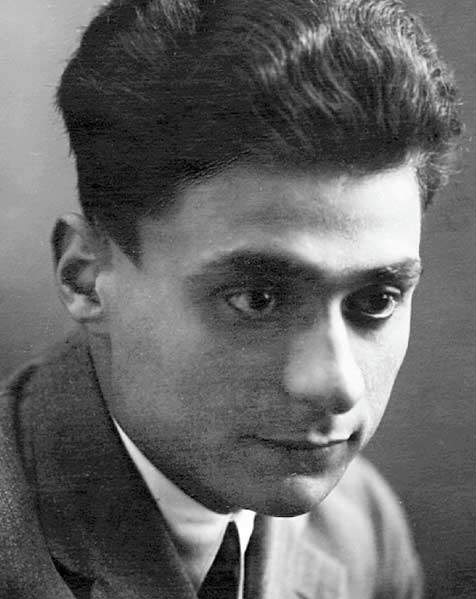
Life
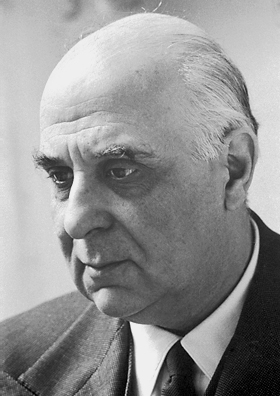
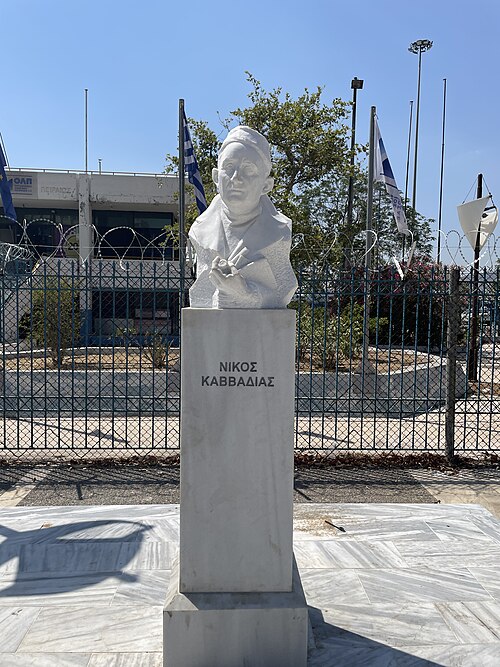
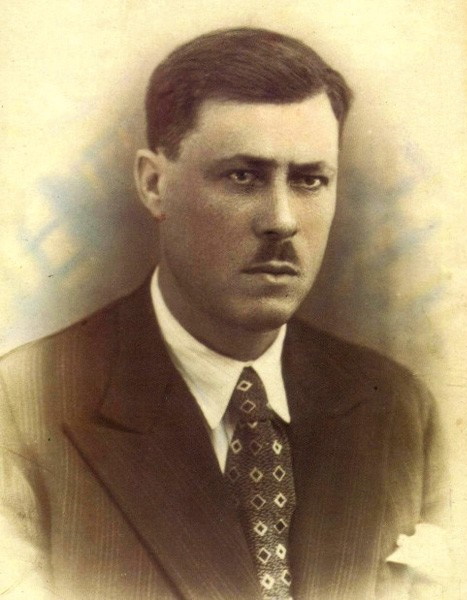
Ilias Mellos, who wrote as Venezis, was born on 4 March 1904 in Ayvalık, which the Greeks called Αϊβαλί or Κυδωνίες, a prosperous town of olive oil and soap facing the island of Lesbos. He grew up between the town and his grandparents' farmland in the hills, the landscape of his later novels. It was a large and almost entirely Greek town, with schools, churches and a lively trade with the islands.
In September 1922, as the Greek army collapsed in Asia Minor, the eighteen-year-old was arrested and sent with thousands of other Greek men into the labour battalions (αμελέ ταμπουρού), forced to march and work in the interior under terrible conditions. Most of his companions died. He was released after about fourteen months and crossed to Mytilene, where his family had found refuge as refugees.
On Lesbos he found a job at a bank, and the novelist Stratis Myrivilis published his first account of captivity in his newspaper. He later moved to Athens, where he worked for many years at the Bank of Greece while writing novels, stories and articles. During the German Occupation he was arrested and held for a time. After the war he was a respected public figure, and he was elected a member of the Academy of Athens in 1957. He died in Athens on 3 August 1973.
Works

Το νούμερο 31328 (Number 31328), first published in instalments in 1924 and as a book in 1931, takes its title from the number the young prisoner was given in the labour battalions. In short, sober chapters it describes the marches, the hunger, the beatings, the deaths of friends, and also moments of unexpected humanity among the guards. It reads not as a political pamphlet but as a witness's testimony, and it is still one of the most powerful books about 1922.
Γαλήνη (Serenity, 1939) follows a group of refugees from Asia Minor who try to put down roots on the barren coast of Attica, near Anavyssos, between the sea and the stones, with homesickness and the slow work of a new life. Αιολική γη (Aeolian Earth, 1943), written during the Occupation, returns to the beginning: a boy's summers on his grandfather's land below the mountain of Kemer, among shepherds, animals, legends and the first sense of love and death, a paradise seen in the knowledge that it will be destroyed. It is his most loved and most translated book.
Later works include Έξοδος (Exodus, 1950), set during the Second World War, and Ωκεανός (Ocean, 1956). His style is simple, lyrical and humane; with Myrivilis and Dido Sotiriou he gave a voice to the generation of the Catastrophe.
Legacy in Greece today
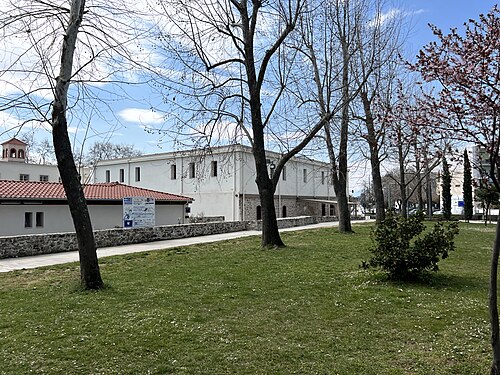
Greek pupils read pages of Αιολική γη and Το νούμερο 31328 in school anthologies, and the books stay in print in cheap editions that are easy for a B1 or B2 learner to try. From the east coast of Lesbos you can see the hills of Ayvalık across the strait, and the ferry from Mytilene to Ayvalık is a good way to feel what his books are about. Today Ayvalık itself welcomes Greek visitors who come to see the old Greek houses and churches of Kydonies, often with Aeolian Earth in their bag.
Did you know?
- His real surname was Mellos; Venezis was a family nickname that he used as his pen name.
- The title Number 31328 is the number he was given as a prisoner in 1922.
- He was elected to the Academy of Athens in 1957.
- Stratis Myrivilis, another great novelist of Lesbos, was the first to publish his account of captivity, in a Mytilene newspaper.
Key works
| Greek title | Title | Year |
|---|---|---|
| Το νούμερο 31328 | Number 31328 | 1931 |
| Γαλήνη | Serenity | 1939 |
| Αιολική γη | Aeolian Earth | 1943 |
| Έξοδος | Exodus | 1950 |
| Ωκεανός | Ocean | 1956 |
A line to remember
Το νούμερο 31328. Το βιβλίο της σκλαβιάς.
To noumero 31328. To vivlio tis sklavias.
Number 31328. The book of captivity.