Life
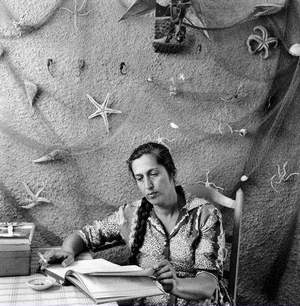
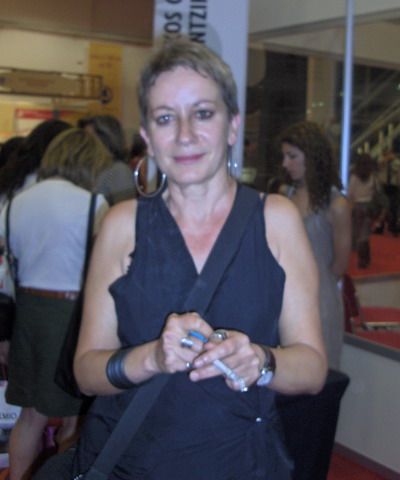
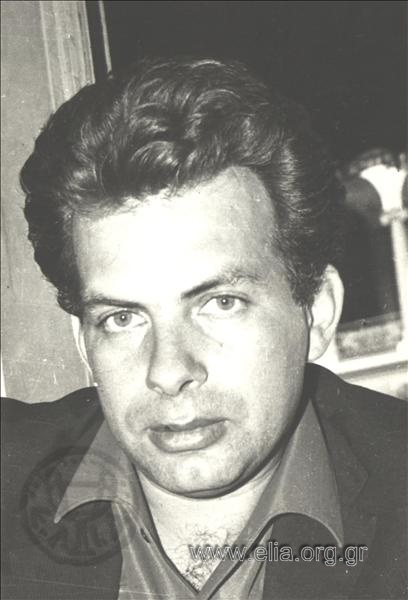
Mylona studied sculpture at the Athens School of Fine Arts from 1945 to 1950 with Michalis Tombros. Early work centred on the human figure, simplifying forms and emphasising volumes. Encounters with Greek and international artists widened her artistic world, and Paris became an important place of work during the 1960s. Her career later connected Athens, Paris and Syros.
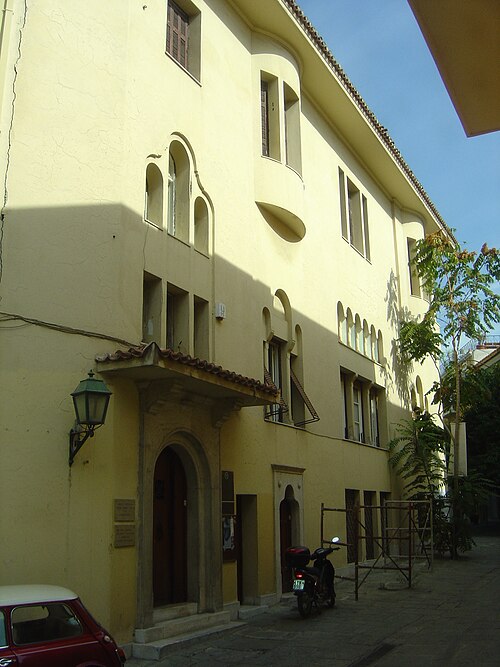
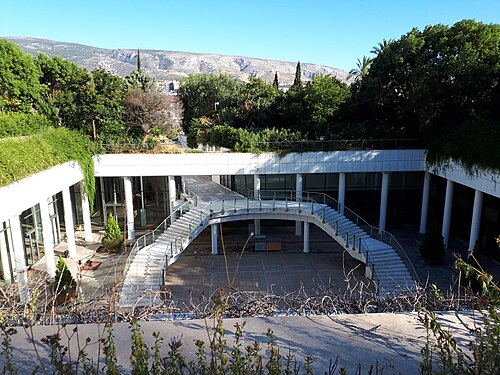
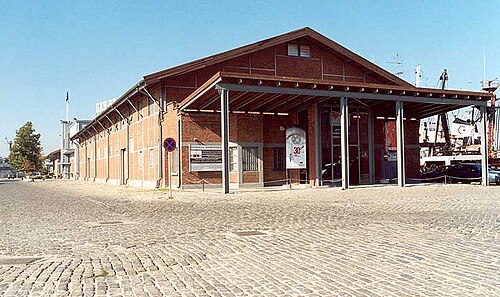
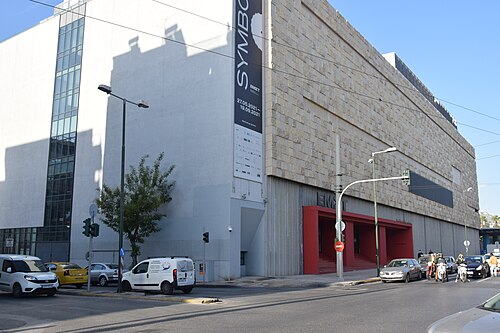
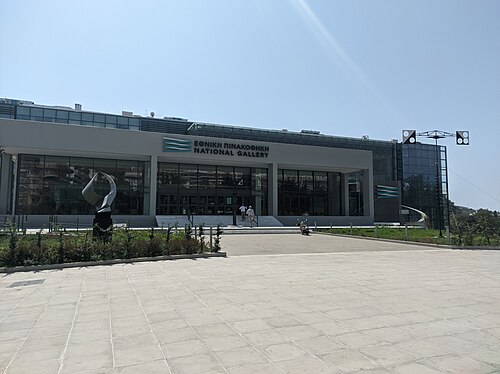
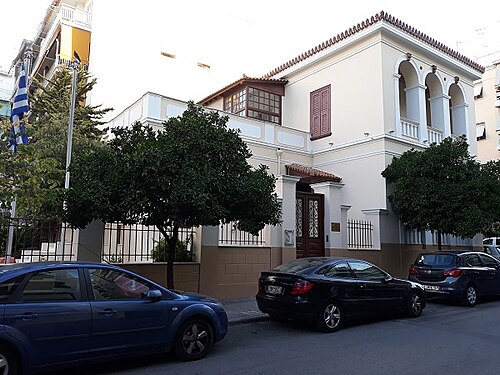
She participated in the Greek presentation at the Venice Biennale in 1960 and showed work in other international exhibitions. Alongside sculpture, she made works on paper and designed scenery and costumes for Rallou Manou’s Greek Choreodrama. These activities extended her interest in how forms occupy space and relate to people. The National Gallery organised a retrospective in 1986, bringing together the stages of her artistic development. In 2004 she founded the Alex Mylona Museum in Athens. The building and works were donated to the Macedonian Museum of Contemporary Art in 2007, joining the institutional network that became MOMus in 2018. She died in Athens in 2016. Its collection and archive preserve both completed objects and evidence of the drawing, experimenting and material decisions behind them, allowing her practice to be studied across different media.
Works

Mylona’s materials changed while relationships between shape, volume and surrounding space remained central. Garden, a 1953 painting in oil on cardboard, shows that colour and drawing accompanied sculpture early on. Berioshka, 1957, uses hammered iron for elongated, simplified figures. Open spaces and angular edges contribute as much as solid material to its presence. Her later thin, flexible metal sheets could curve, twist and fold into more expansive structures.
Inclined, 1976, is a stainless-steel example from this exploration of thin surfaces and spatial movement. The marble Cyclades II, 1984, belongs to a different material language: clear geometric surfaces and the meeting of simple forms. Her 1986 statement about instinct places personal artistic judgment alongside this formal clarity. Development of the Circle, 1986, combines circular sections and horizontal and vertical planes. Its model proposed museum seating; the large iron version joins sculptural form with a possible everyday use. The National Gallery’s account makes that relationship between an object, its setting and its users explicit. Across these works, abstraction remains connected to the human scale and to the experience of moving around an object.
Legacy in Greece today
The MOMus–Alex Mylona Museum in Athens preserves her collection and offers a concrete place to explore the work through institutional records and exhibitions. The National Gallery also holds sculptures, including Development of the Circle. Greek titles provide useful words for discussing geometry and space.
Begin with this page’s passage: fold a sheet of paper, turn it and describe its changing shape. Draw a circle beside a square; write which is αριστερά, which is δεξιά and what lies ανάμεσα. Make a second arrangement and compare the positions. This is your own language experiment. B1 describes supported Modern Greek instructions and spatial descriptions, while the short original quotation introduces her own words about artistic instinct.
Did you know?
- She took part in Greece’s Venice Biennale presentation in 1960.
- Development of the Circle began with a proposal for museum seating.
- She founded the Alex Mylona Museum in 2004.
Key works
| Greek title | Title | Year |
|---|---|---|
| Κήπος | Garden | 1953 |
| Μπεριόσκα | Berioshka | 1957 |
| Κεκλιμένο | Inclined | 1976 |
| Κυκλάδες ΙΙ | Cyclades II | 1984 |
| Ανάπτυξη του κύκλου | Development of the Circle | 1986 |
A line to remember
Το ένστικτο υπήρξε πάντα η κινητήρια δύναμη.
To énstikto ypírxe pánta i kinitíria dýnami.
Instinct was always the driving force.