Life
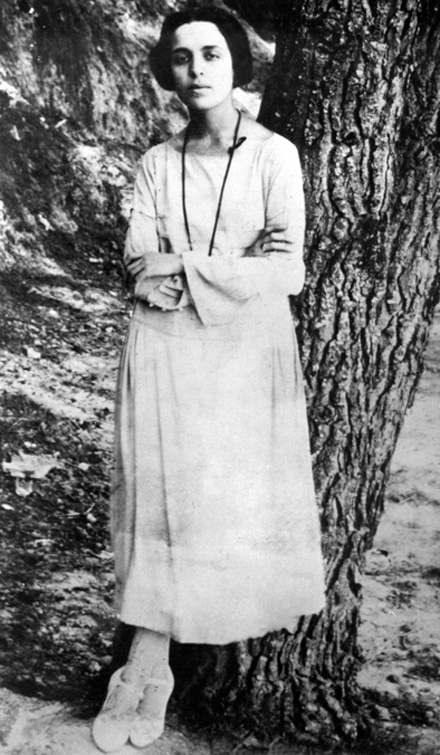
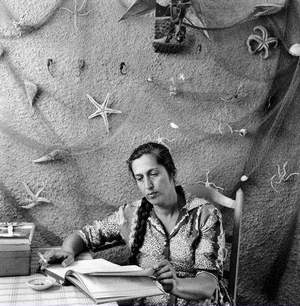
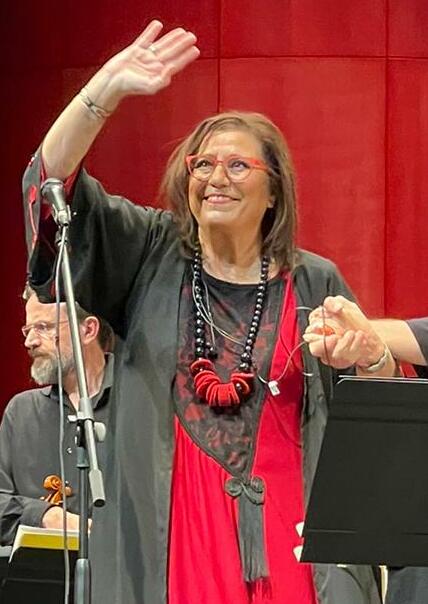
Maria Plyta began as a novelist and playwright before moving into film production and direction. Her novels Δεμένα φτερά (Bound Wings, 1944) and Αλυσίδες (Chains, 1946) preceded a cinema career built through practical experience. In her 1979 interview with Gay Angelis, she recalled learning by asking questions and gradually gaining control over the finished image. Preparation included a working diary, drawn sets and planned camera positions.
She began shooting Τ’ αρραβωνιάσματα (The Engagements) in 1948; the film reached audiences in 1950. Working in an industry overwhelmingly led by men, she directed seventeen features and also took on writing and editing. Her account of filming outdoors with reflectors and learning to cut film reveals the material labour behind the stories. Cinema involved planning, waiting, rearranging and judging the duration of an image.
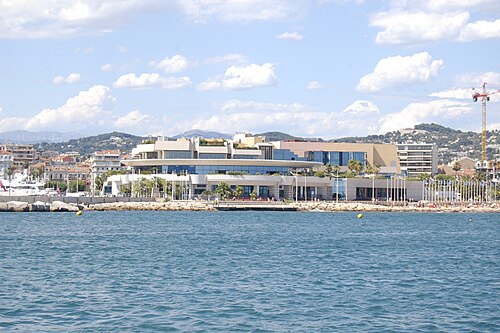
Plyta was a founding member of the Greek Directors Guild, which made her an honorary member in 1986. She died in 2006. Later research and preservation have brought renewed attention to her work: an Aristotle University project began in 2025, and a restored Εύα was presented at Cannes Classics in 2026. This renewed visibility invites a fuller view of her place in Greek film history.
Works

Τ’ αρραβωνιάσματα (The Engagements, 1950) adapted Dimitris Bogris’s play, establishing Plyta’s transition from written drama to feature direction. Η λύκαινα (The She-Wolf, 1951) followed. Her career later included Ο λουστράκος (The Shoe-Shine Boy, 1962) and Ο εμποράκος (The Little Merchant, 1967), titles that bring ordinary occupations into view. Melodrama provided a popular form for approaching social pressures and individual lives.
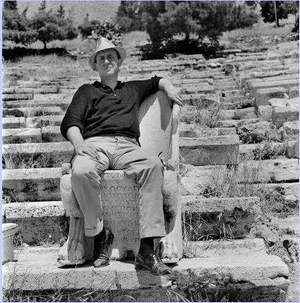
Εύα (Eve, 1953) focuses on a married woman who begins an affair during a summer holiday. Her desire and the responses around her question the place allotted to women within marriage and society. Plyta directed and edited the film; Andreas Lambrinos wrote the screenplay. Its treatment of female desire and visual attention to the male body complicate familiar assumptions about early Greek cinema.
The 2026 restoration used original camera and sound negatives preserved by the Greek Film Archive. It restored access to the film’s images and sound rather than creating a new production. Across Plyta’s work, editing also matters as a craft: choosing when a shot ends and how one action follows another helps shape feeling and narrative rhythm. Her surviving interview makes that practical side of filmmaking unusually tangible.
Legacy in Greece today
Plyta expands the history of Greek cinema beyond the male names most often remembered. Her working diary and account of editing also suggest a manageable Modern Greek exercise. Listen to the adapted passage, then write three original shot descriptions: a person opens a door, puts down a letter and reads it. Order them with πρώτα and έπειτα. Join two actions with πριν or αφού, paying attention to their real order. Move one description to the beginning and explain how the imagined scene changes. These are your own practice shots, not lines from a Plyta film. The task develops action verbs, temporal clauses and a short spoken account of how editing creates a sequence.
Did you know?
- The debut was filmed from 1948 and released in 1950.
- Plyta directed seventeen features.
- Εύα is a 1953 film, restored in 2026.
- The Directors Guild made her an honorary member in 1986.
Key works
| Greek title | Title | Year |
|---|---|---|
| Τ’ αρραβωνιάσματα | The Engagements | 1950 |
| Η λύκαινα | The She-Wolf | 1951 |
| Εύα | Eve | 1953 |
| Ο λουστράκος | The Shoe-Shine Boy | 1962 |
| Ο εμποράκος | The Little Merchant | 1967 |
A line to remember
Είχα ένα τετράδιο εργασίας που το έλεγα ημερολόγιο.
Eicha ena tetradio ergasias pou to elega imerologio.
I had a work notebook that I called a diary.