Life
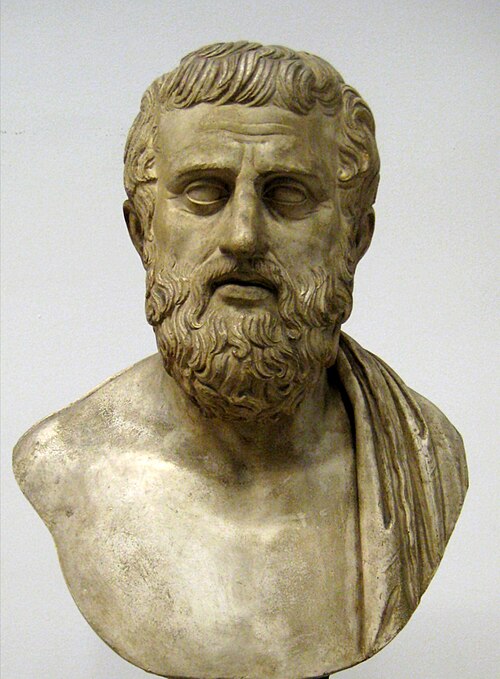
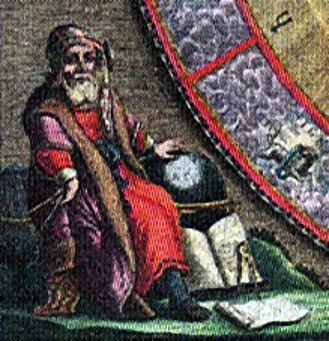
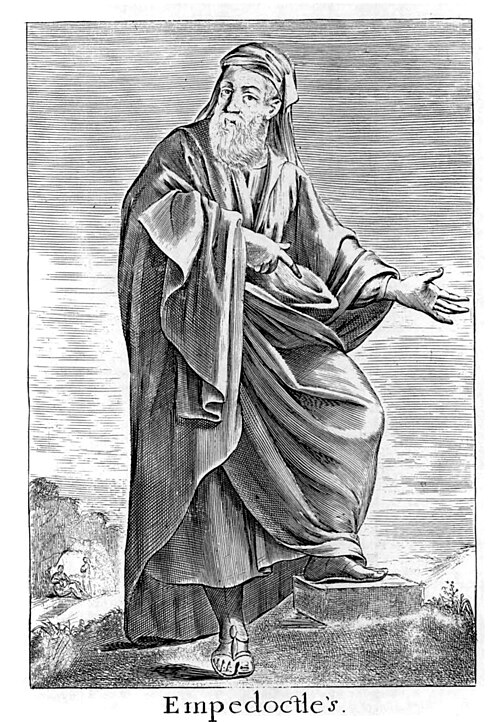
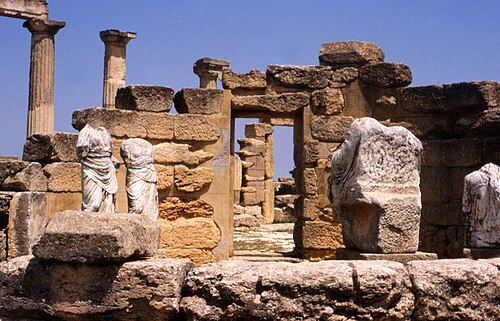
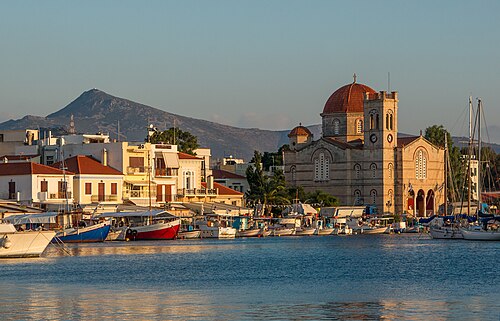
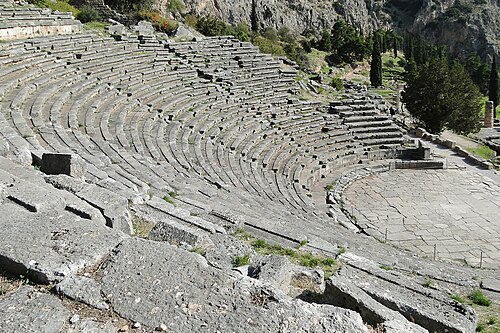
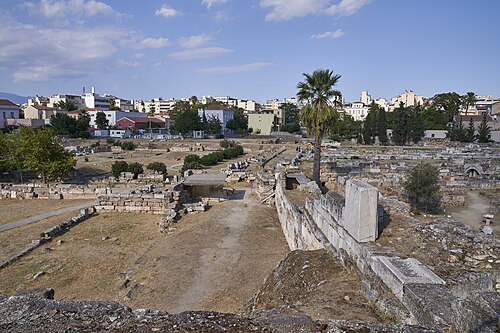
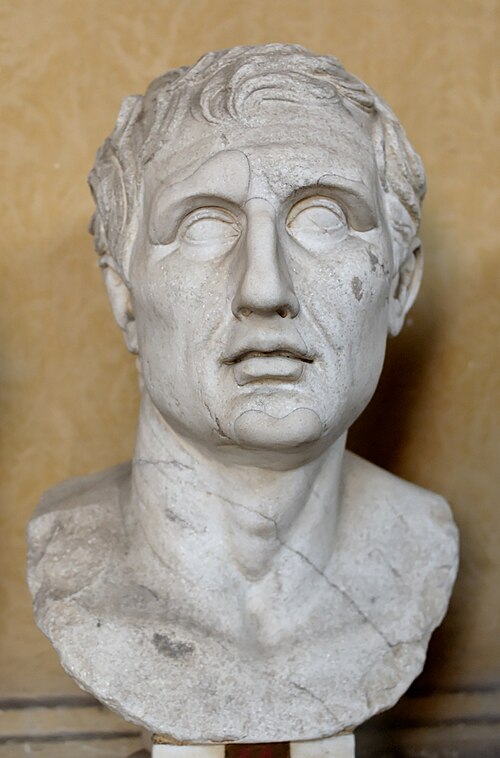
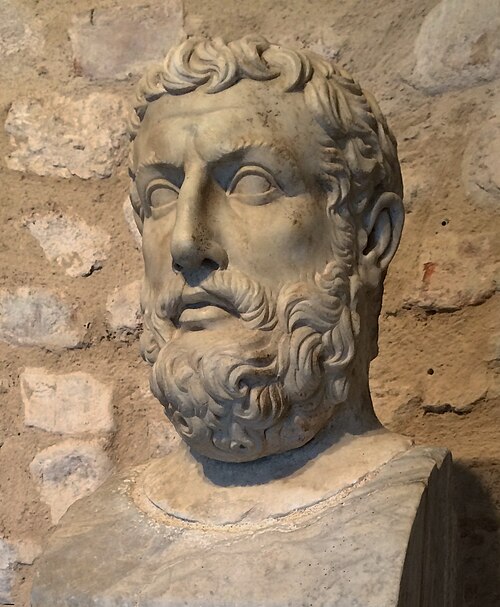
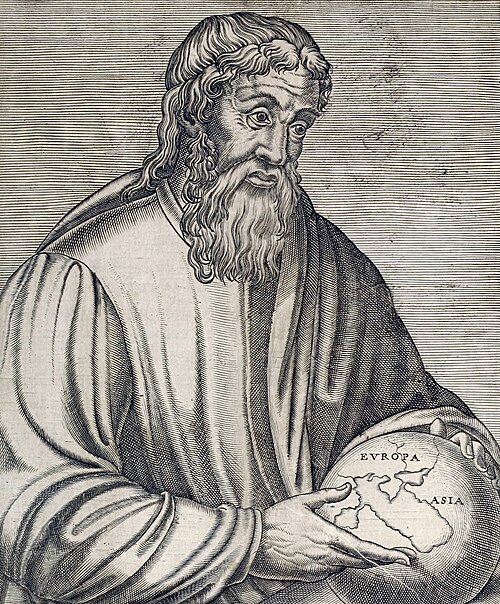
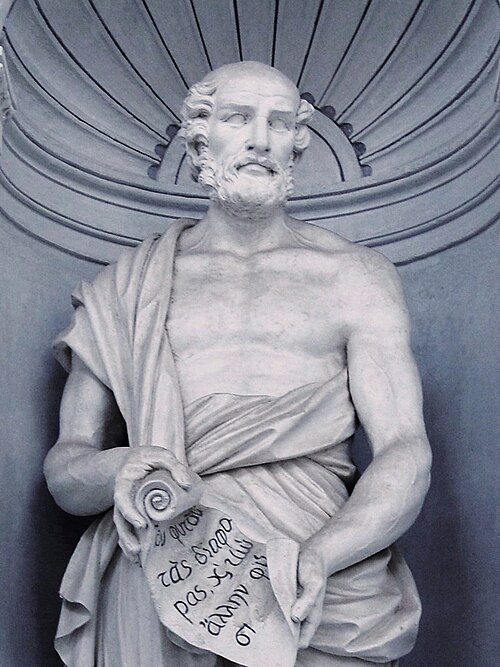
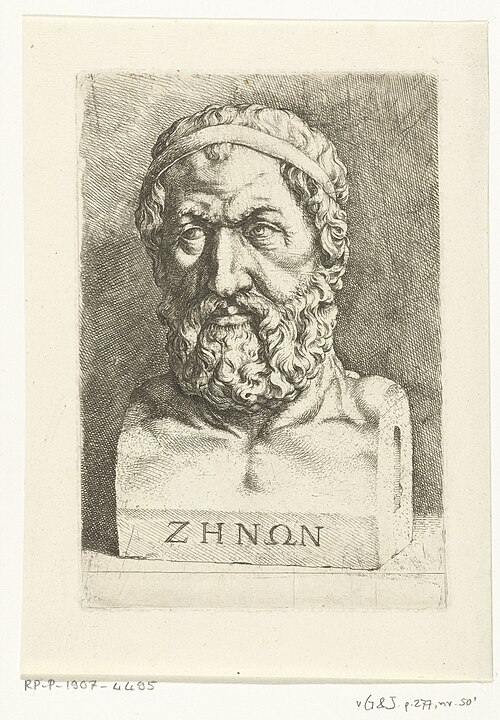
Zeno came from Elea, a Greek city on the coast of southern Italy, now the archaeological site of Velia. His approximate birth date, around 490 BC, is inferred partly from the ages assigned to characters in Plato’s Parmenides. It is an estimate drawn from a literary setting, not a contemporary birth record. He was closely associated with Parmenides and was active in the Greek-speaking world of southern Italy during the middle of the fifth century. The precise circumstances of his life and death remain unknown.
Plato imagines Zeno visiting Athens and reading a book of arguments to interested listeners. This dialogue is evidence for ancient discussion of his work, but it is not a transcript of a documented meeting. Later biographies also tell dramatic stories about resistance to a local tyrant. Their conflicting details prevent us from treating them as a secure account of his final days. Zeno’s stronger historical presence lies in the arguments themselves and in the long effort to answer them. He should also be distinguished from Zeno of Citium, the later founder of Stoicism. The shared name does not make them the same thinker or members of the same school.
Works

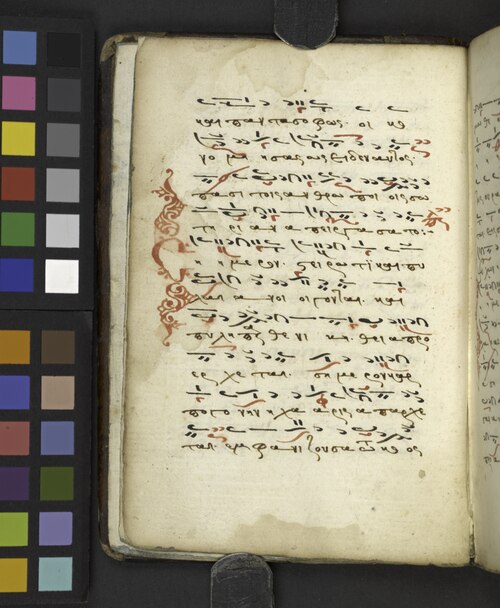
Zeno’s lost prose treatise contained arguments that challenged familiar beliefs about plurality and motion. We cannot reconstruct its complete plan or confidently assign every later report to its original arrangement. Some wording is preserved by Simplicius, writing roughly a millennium later; the famous motion arguments are known especially through Aristotle’s summaries. The quotation below comes from a fragment about the number of things, not from an invented speech by Achilles.
The Dichotomy asks how a journey begins or finishes if it requires crossing endlessly divisible stages. In the Achilles argument, the pursuer must first reach where the slower runner previously was; the slower runner has meanwhile moved farther. The Arrow examines how motion relates to an instant. These are descriptions of arguments, not titles of independent surviving books. Their force comes from showing that apparently reasonable assumptions can produce troubling results. Walking across a room does not by itself explain which assumption in an argument fails. Modern mathematics helps analyse some versions, but historical reconstruction and modern solutions are different tasks. Zeno’s purpose is debated; presenting him simply as someone who proved that nothing moves loses the questions that made the paradoxes enduring.
Legacy in Greece today
Zeno’s Greek name is still attached to the paradox of Achilles and the tortoise in discussions of reasoning and infinity. His home in southern Italy also reminds learners that ancient Greek intellectual life extended beyond modern Greece. The most useful first encounter is to tell the puzzle clearly in Modern Greek.
Draw three stages of a race and describe them with πρώτα, μετά and όταν. Then add an αν sentence about what the runner must do next. Use γρήγορος, προλαβαίνω and σταματώ to compare movement and rest. Read the ancient εἰ beside the modern αν in the quotation. You will practise an argument’s sequence without mistaking the B1 retelling for Zeno’s original prose.
Did you know?
- Zeno of Elea lived centuries before Zeno of Citium, founder of Stoicism.
- The motion paradoxes usually survive as later reports, not verbatim quotations.
- His original book is lost and its title is uncertain.
Key works
| Greek title | Title | Year |
|---|---|---|
| Χαμένο σύγγραμμα (τίτλος άγνωστος) | Lost treatise: original title unknown | 5th century BC |
| Διχοτομία (επιχείρημα) | Dichotomy: reported argument | 5th century BC |
| Αχιλλεύς και χελώνα (επιχείρημα) | Achilles and the tortoise: reported argument | 5th century BC |
| Βέλος (επιχείρημα) | Arrow: reported argument | 5th century BC |
A line to remember
εἰ πολλά ἐστιν, ἀνάγκη τοσαῦτα εἶναι ὅσα ἐστὶ καὶ οὔτε πλείονα αὐτῶν οὔτε ἐλάττονα.
In today's GreekΑν υπάρχουν πολλά πράγματα, πρέπει να είναι τόσα όσα είναι, ούτε περισσότερα ούτε λιγότερα.
ei polla estin, anankē tosauta einai hosa esti kai oute pleiona autōn oute elattona.
If there are many things, they must be just as many as they are, neither more nor fewer.