Life
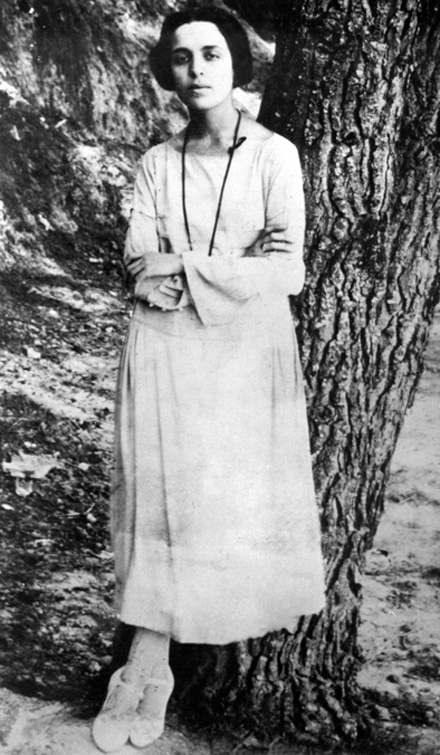
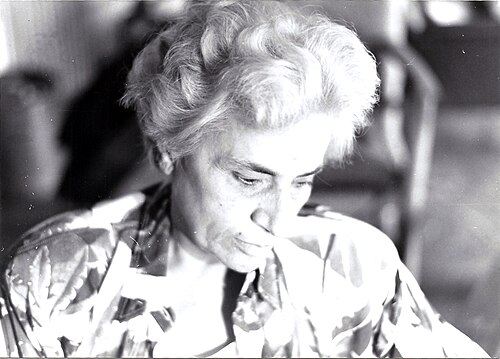
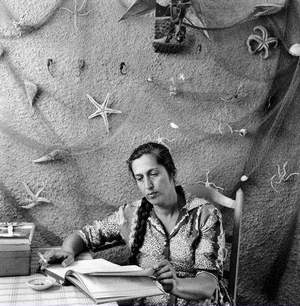
Pratsika studied music and dance in Athens and continued her education at Hellerau-Laxenburg near Vienna. There she encountered eurhythmics, the approach associated with Émile Jaques-Dalcroze that links musical listening with movement. Her participation in the 1927 Delphic Festival also connected her to Eva Palmer-Sikelianos’s experiments with ancient drama. These encounters shaped a practice that combined European educational ideas with contemporary interpretations of Greek cultural heritage.
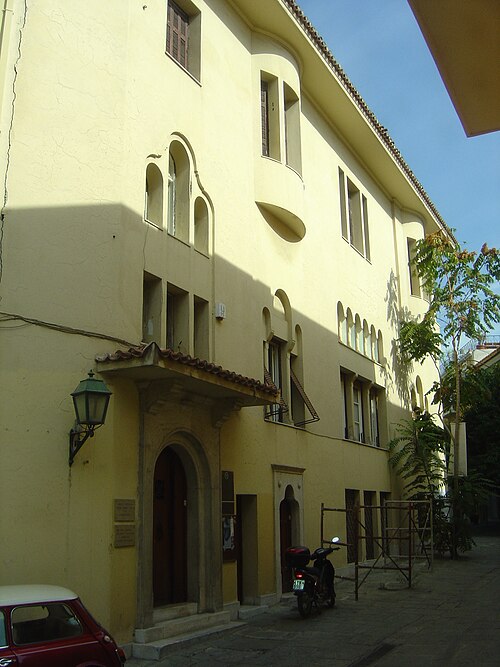
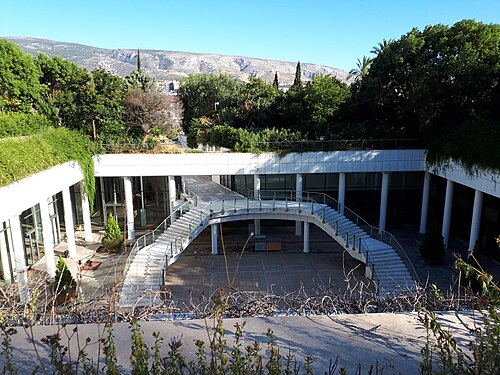
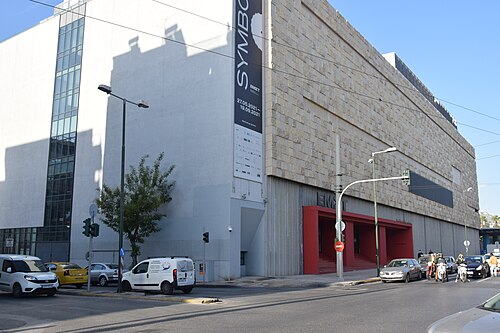
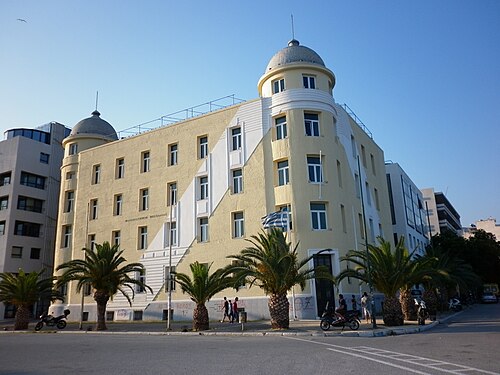
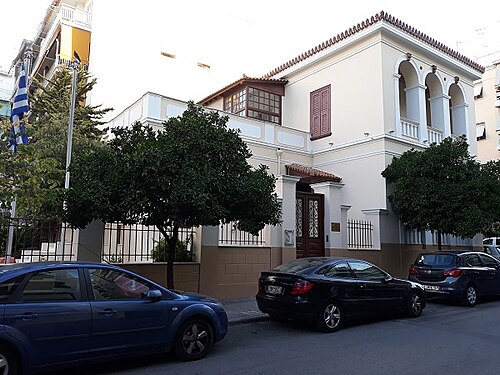
In 1930 she opened a school in Athens, developing teaching in rhythm, movement and music. Its professional department began in 1937, preparing dancers and teachers through practical and theoretical work. A modern building designed by Georgios Kontoleon in 1934 combined teaching rooms with her home. Students including Rallou Manou, Zouzou Nikoloudi and Maria Hors went on to important careers, developing their own artistic approaches. In 1973 Pratsika transferred her school and building to the Greek state. The institutional history later included the State School of Dance’s legal establishment under the 1976 law. She died in 1984. Her career is therefore inseparable from the daily work of training, rehearsal and creating a place where dance could be studied professionally.
Works

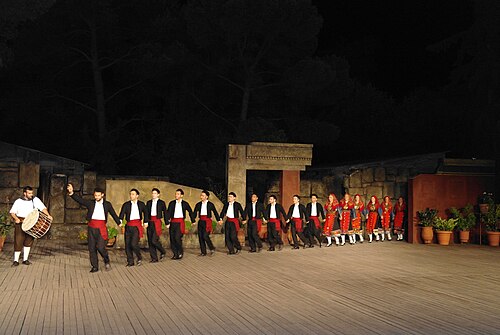
Rhythm was central to Pratsika’s teaching: music could be experienced through a step, a change of speed, coordinated action or a pause. Her approach belongs to the history of modern dance education, alongside the period’s interest in antiquity. Ancient themes became material for new performances shaped by twentieth-century training and artistic choices. Her students’ later recollections show both the force of her influence and the different paths they took beyond her school.
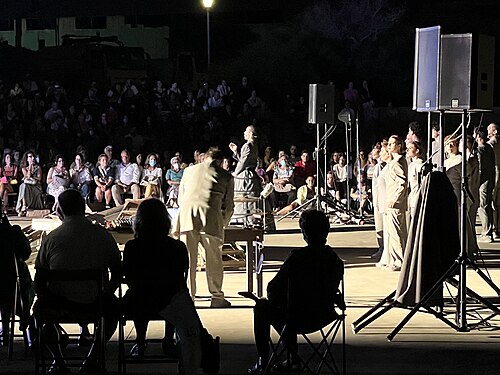
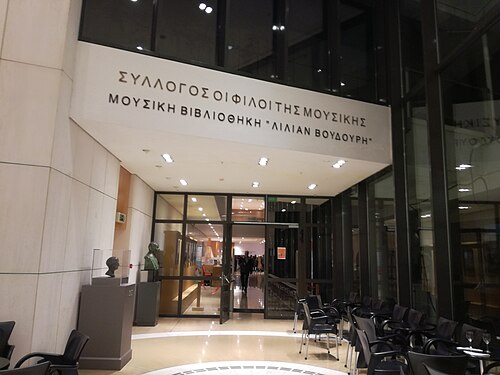
Surviving programmes make the public work more concrete. The music library records The Festival of Water at Marathon on 14 May 1939 as a production of her school’s professional department. A programme from December 1946 documents The Beauty with the Rose at the Kotopouli-Rex theatre, including choral texts by Stratis Myrivilis. Dance historian Steriani Tsintziloni examines Archaic Pieces, presented at the Herodes Atticus theatre in June 1949, with choreography credited to Pratsika and Agapi Evangelidi. Such performances joined movement, music, text and collective preparation. Her educational achievement also outlasted individual productions: the school’s transfer to the state established a basis for continuing professional training. Archival photographs, programmes and recollections preserve different traces of an art that exists through performance.
Legacy in Greece today
The State School of Dance carries forward an institutional history rooted in Pratsika’s teaching. Her archive at the Benaki Museum and performance programmes in the Greek music library offer further ways to study that history. The quotation is her pupil Zouzou Nikoloudi’s recollection of Pratsika’s words, rather than a recording of Pratsika herself.
For Greek practice, read the graded passage and contrast αργά with γρήγορα. Say μουσική, gently clap its three syllables and notice the stress on the last. Read one short sentence and mark pauses without changing its meaning. This is a present-day language activity inspired by listening and rhythm, distinct from professional dance technique. B1 describes the supported Modern Greek passage and its practical vocabulary.
Did you know?
- Her professional school department began in 1937.
- Her home and teaching rooms shared a modern building.
- She transferred the school to the state in 1973.
Key works
| Greek title | Title | Year |
|---|---|---|
| Σχολή χορού και ρυθμικής | School of dance and rhythm | 1930 |
| Επαγγελματικό τμήμα ορχηστικής | Professional dance department | 1937 |
| Η γιορτή του νερού | The Festival of Water | 1939 |
| Η πεντάμορφη με το ρόδο | The Beauty with the Rose | 1946 |
| Αρχαϊκά — με την Αγάπη Ευαγγελίδη | Archaic Pieces — with Agapi Evangelidi | 1949 |
| Παραχώρηση της σχολής στο κράτος | Transfer of the school to the state | 1973 |
A line to remember
Η Ελλάδα είναι φως, ρυθμός και πνεύμα.
I Elláda eínai fos, rythmós kai pnévma.
Greece is light, rhythm and spirit.