Life
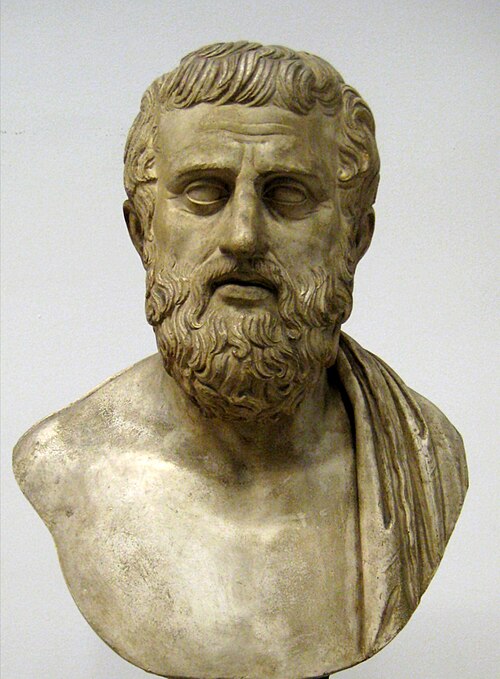
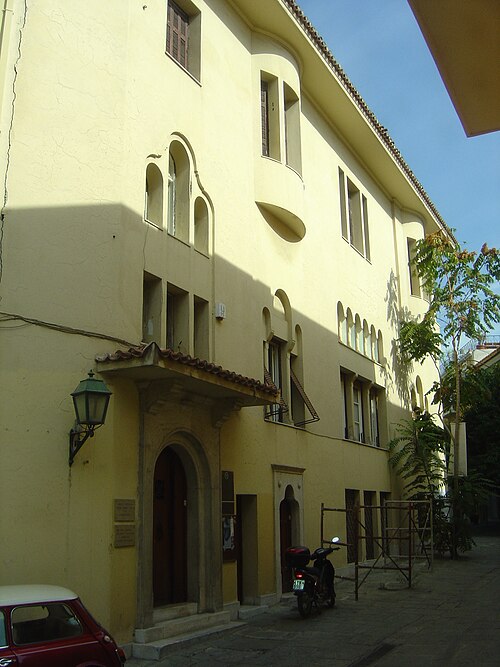
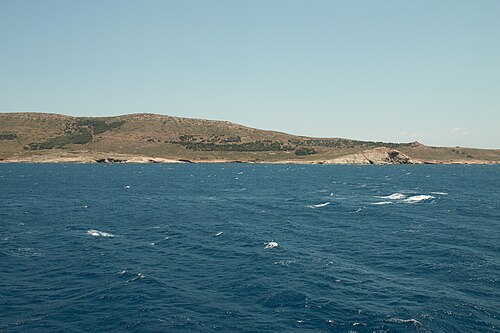
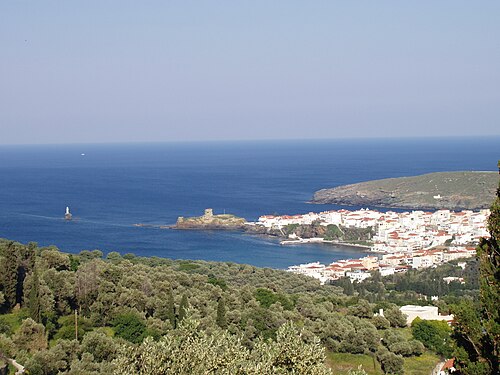
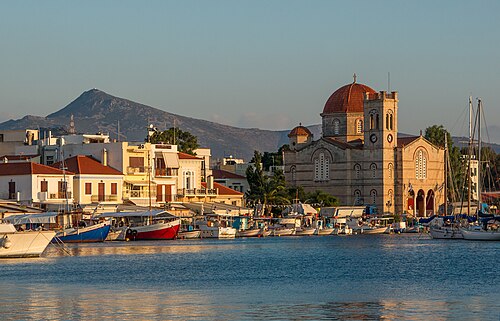
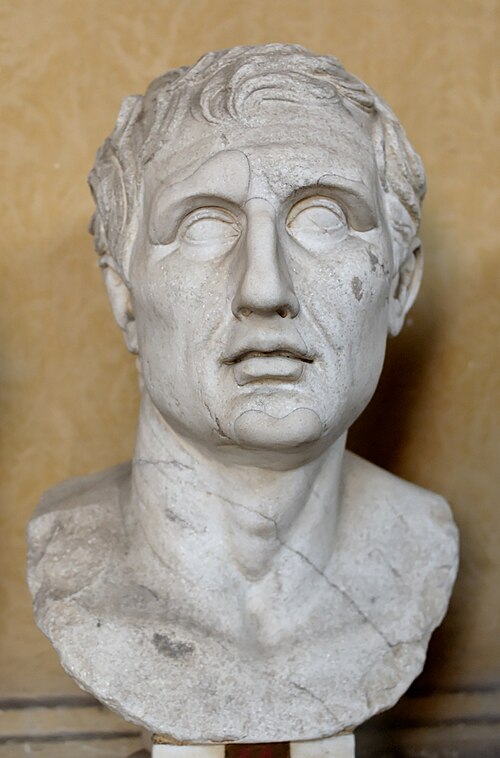
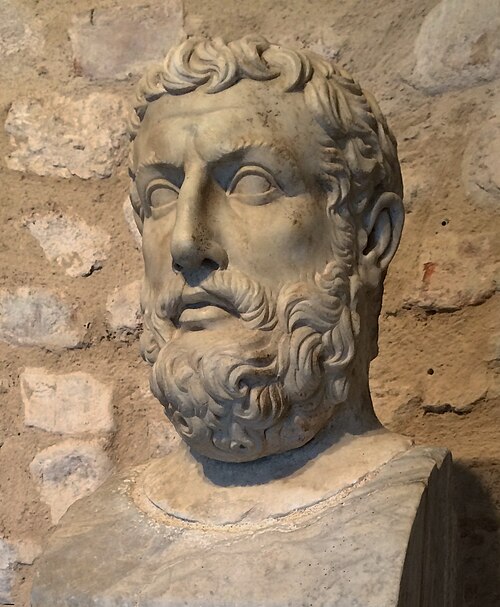
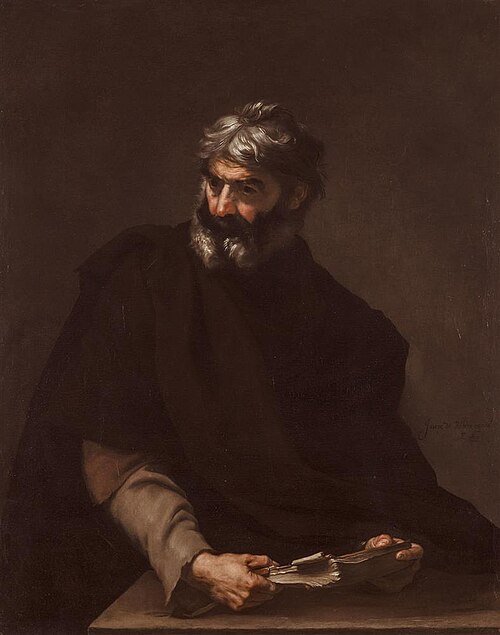
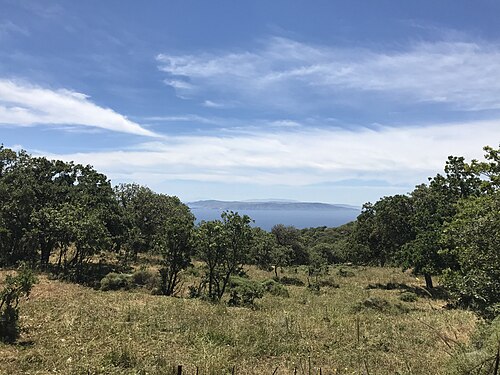
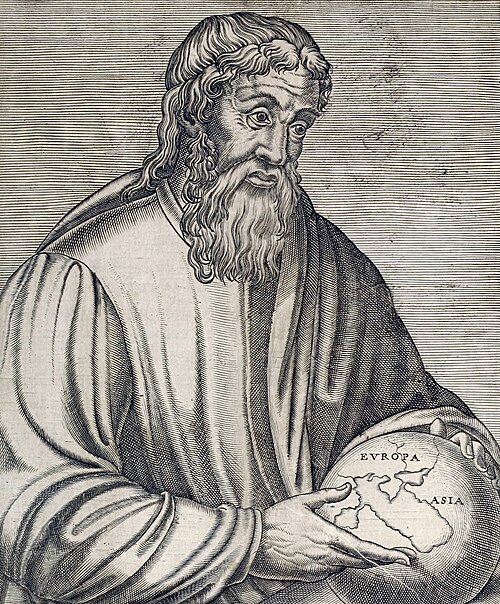
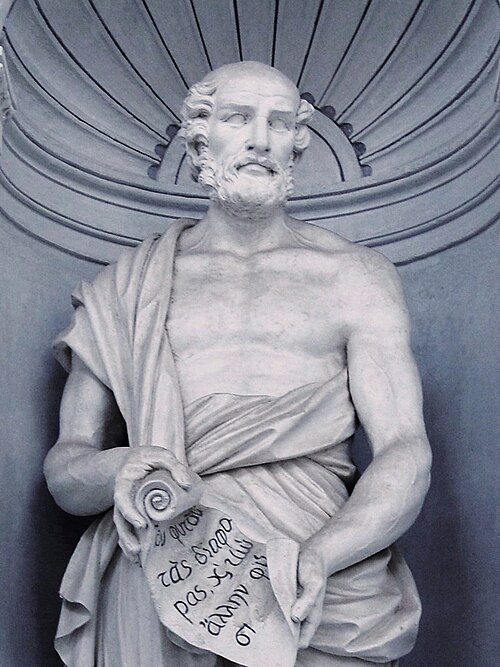
Theophrastus was born around 371 BC at Eresos on Lesbos. Much of the biography comes from Diogenes Laertius, writing centuries later. That source reports an earlier name, Tyrtamus, and explains Theophrastus through the admired quality of his speech. The story belongs to the ancient biographical tradition rather than a documented modern naming record. His association with Aristotle was substantial: the two worked within a shared philosophical environment, and their relationship was more than the simple picture of master and obedient pupil.
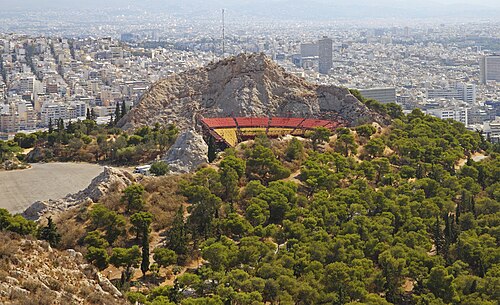
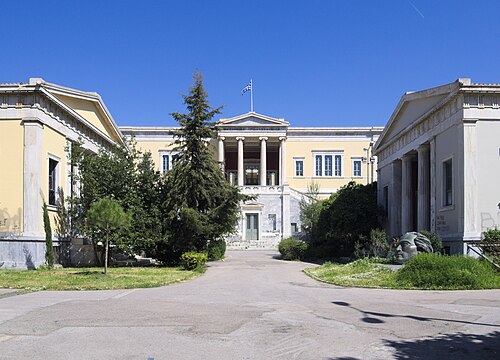
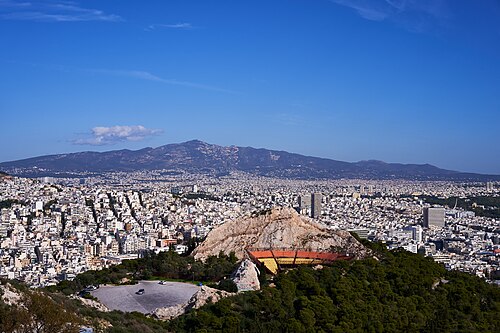
After periods connected with Asia Minor and Lesbos, Theophrastus worked in Athens. When Aristotle left in 323 BC, he succeeded him as head of the school at the Lyceum and continued until his death around 287. Political changes could threaten philosophical teaching: a restrictive law prompted a temporary departure from Athens before its repeal. His surviving will, quoted by Diogenes, shows concern for books, the garden and the community of fellow students. These details make scholarship a collective, materially supported activity. The numerous titles attributed to him reveal a far wider career than botany alone, although most of that writing has not survived intact.
Works

Enquiry into Plants examines differences among plants, their parts, growth and habitats. On the Causes of Plants pursues explanatory questions, including reproduction and cultivation. The opening quotation names several ways of investigating a plant rather than offering a slogan about nature. Roots, leaves and fruit provide useful points of comparison. Yet ancient categories do not map neatly onto modern species, and his work should not be made to anticipate every later scientific discovery.
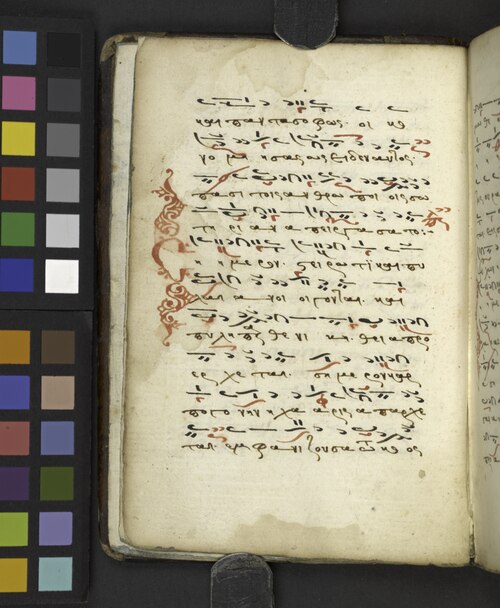
Characters turns observation toward everyday Athenian conduct. Its thirty brief sketches show objectionable habits through small scenes: a flatterer’s words, an ill-timed interruption or a display of needless fuss. These are crafted literary types, not clinical diagnoses or transparent recordings of particular neighbours. The collection’s original purpose remains debated. On Stones, another surviving work, discusses minerals and their properties, extending the range of natural inquiry. Elsewhere, fragments and later reports preserve work on logic, perception and philosophy. The four entries below are genuine surviving writings, not a complete bibliography. His importance lies partly in showing how collecting details, comparing cases and asking what needs explanation can belong to the same intellectual practice.
Legacy in Greece today
Theophrastus connects Lesbos and Athens with Greek ways of naming the natural world and describing conduct. A garden, street tree or plant photograph offers a practical starting point today. The surviving ancient text needs its modern rendering; B1 describes the supported Modern Greek passage, not independent reading of the original.
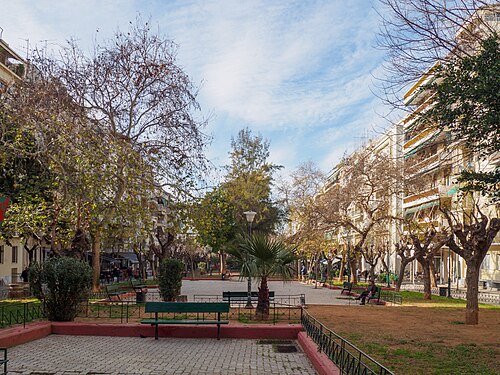
Choose a tree photograph and label ρίζα, φύλλο, άνθος and καρπός only where visible. Write two sentences with έχει and one with βλέπω. Separate observation from explanation: “I see leaves” says less than a theory of why they grow. Then read the modern summary of Characters and describe one fictional habit without diagnosing a real person. Plant vocabulary and careful description become useful language practice.
Did you know?
- He led Aristotle’s school after Aristotle left Athens in 323 BC.
- Characters contains thirty short literary sketches of everyday failings.
- His plant research and his study of human behaviour both rely on detailed description.
Key works
| Greek title | Title | Year |
|---|---|---|
| Περὶ φυτῶν ἱστορίας | Enquiry into Plants | Late 4th–early 3rd century BC |
| Περὶ φυτῶν αἰτιῶν | On the Causes of Plants | Late 4th–early 3rd century BC |
| Χαρακτῆρες | Characters | Late 4th–early 3rd century BC |
| Περὶ λίθων | On Stones | Late 4th–early 3rd century BC |
A line to remember
Τῶν φυτῶν τὰς διαφορὰς καὶ τὴν ἄλλην φύσιν ληπτέον κατά τε τὰ μέρη καὶ τὰ πάθη καὶ τὰς γενέσεις καὶ τοὺς βίους
In today's GreekΠρέπει να μελετούμε τις διαφορές και τα υπόλοιπα χαρακτηριστικά των φυτών εξετάζοντας τα μέρη τους, τις μεταβολές τους, τους τρόπους γένεσης και τη ζωή τους.
Tōn phytōn tas diaphoras kai tēn allēn physin lēpteon kata te ta merē kai ta pathē kai tas geneseis kai tous bious
We should study plants’ differences and other characteristics through their parts, changes, modes of generation and ways of life.