Life
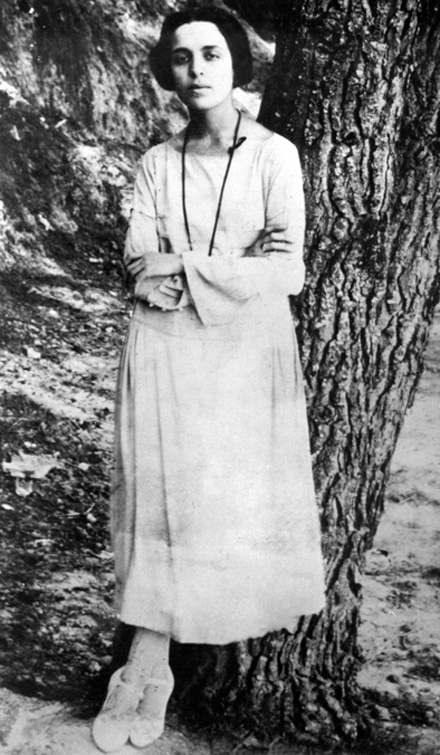
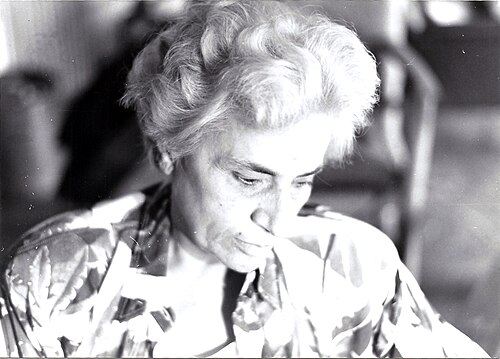
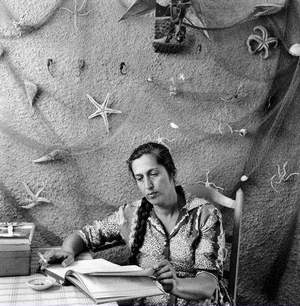
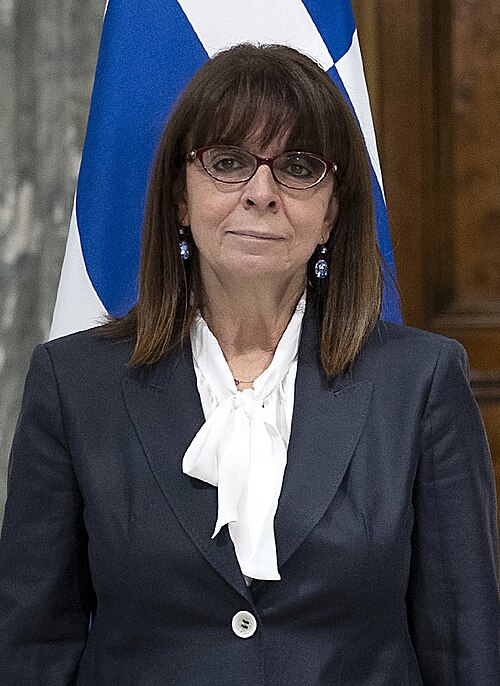
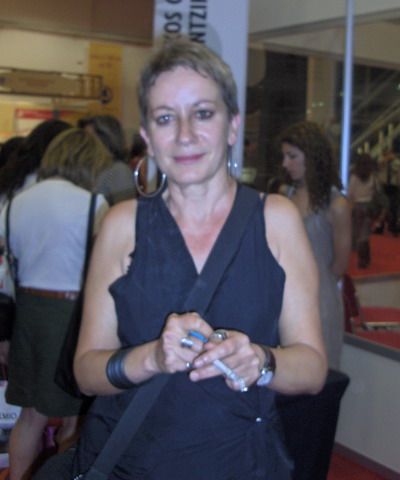
Dora Stratou, also known as Dorothea Stratou, was born in Athens in 1903. Her education included singing, foreign languages and piano lessons with Dimitris Mitropoulos. After years abroad, she returned to Greece in 1932 and became involved in the artistic world of Athens. Her practical contribution to Karolos Koun's Art Theatre was administrative: organising people and resources would later prove central to her own project.
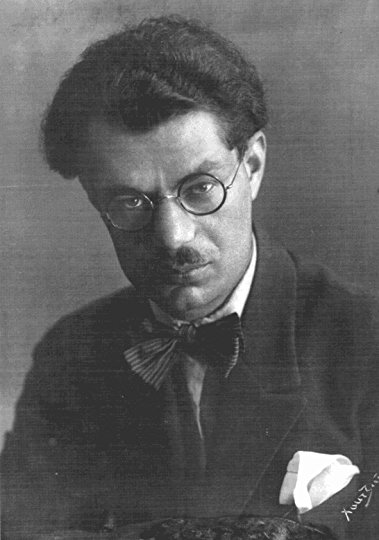
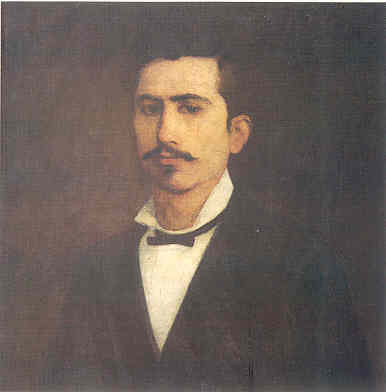
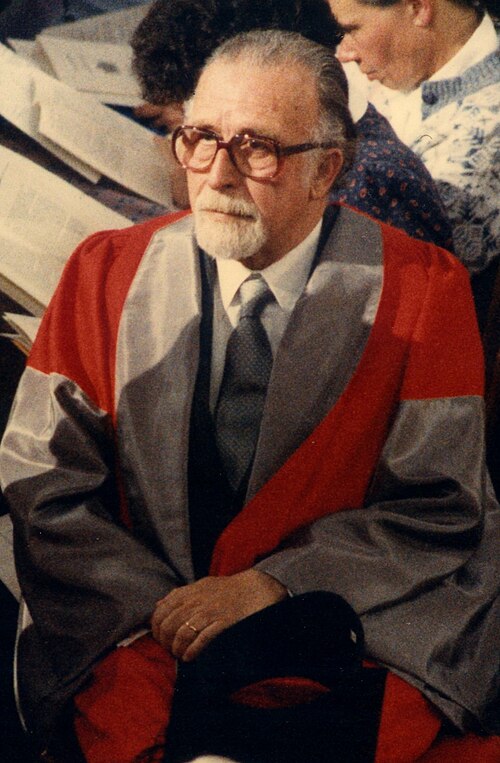
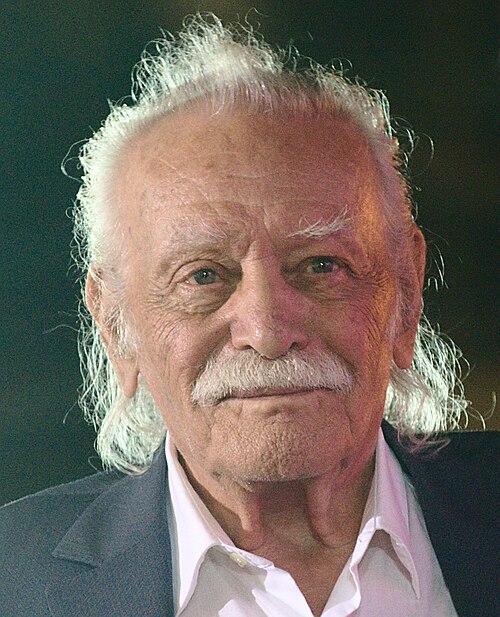
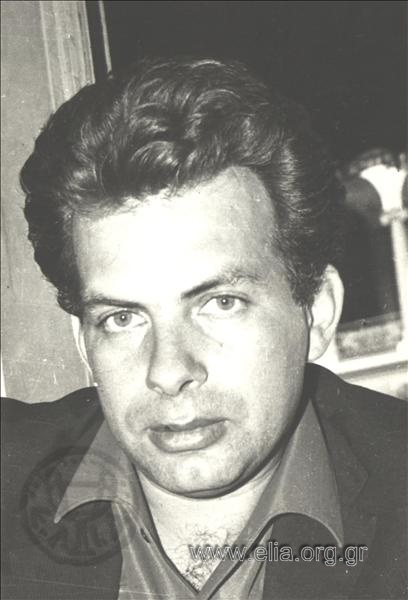
In 1952 she saw a visiting Yugoslav folk ensemble. Its combination of regional dances, music and costumes suggested possibilities for a permanent Greek company. With advice from folklorist Georgios Megas and support from artists and public figures, she founded the Greek Dances society in 1953. The painter Yannis Tsarouchis helped with its early costumes; other advisers brought knowledge of music, textiles and performance.
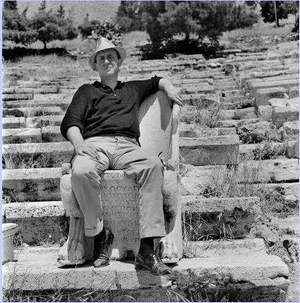
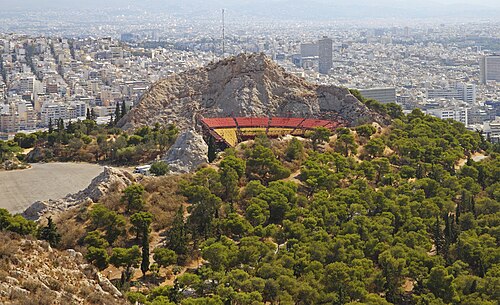
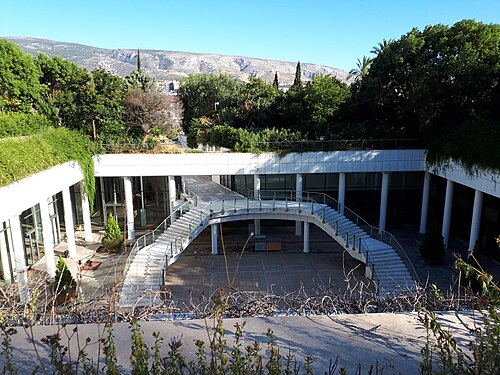
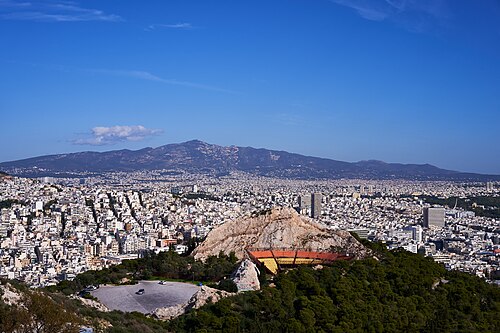
Village visits, collecting and rehearsals developed alongside touring. In 1963 a purpose-built theatre on Philopappou Hill was commissioned for the company, with a permanent setting by Spiros Vasileiou. Stratou continued to build a repertory and costume collection, and published books presenting her approach to dance. She retired in 1983 and died on 19 January 1988. Her name remained attached to the institution she had created.
Works

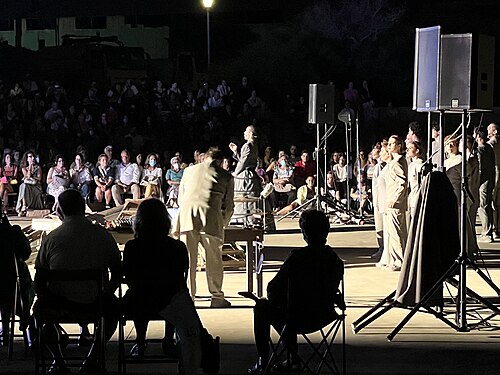
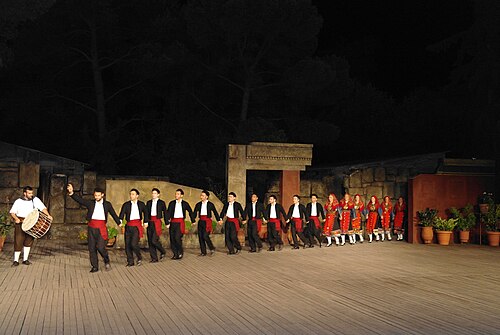
Stratou's achievement was to organise an encounter between local practice and the theatre. Dancers and musicians from particular communities helped transmit steps, tunes, ways of holding hands and the relationship between music and movement. Her company gathered material through fieldwork, recordings and direct teaching, while rehearsals turned it into a programme for an audience. Stage presentation gave this material a new setting and a selected sequence.
Costumes were essential to that work. The institution collected village-made garments, jewellery and embroidery, and developed the skills needed to wear, fold and maintain them. Its repertory recognises regional traditions, including those of Crete and Pontus; a dance name alone does not describe every local variation. The theatre's own account acknowledges that a neighbouring village's costume may sometimes be used in performance.
Her books Οι λαϊκοί χοροί, ένας ζωντανός δεσμός με το παρελθόν (Folk Dances, a Living Link with the Past, 1966) and Ελληνικοί παραδοσιακοί χοροί (Greek Traditional Dances, 1978) express her preservation vision. She associated dance with national historical continuity. That was her interpretation of heritage, while the recorded people, places and versions remain valuable evidence of diverse practices. Her legacy includes the organisation that keeps such material available for study.
Legacy in Greece today
Open a Kalamatianos entry in the institution's Dance Pandect and keep its place label beside your notes. Look at a documented image or short movement sequence and identify a circle, a handhold and one visible garment. Make a Greek list with το βήμα, το χέρι, ο κύκλος and η φορεσιά. Then give two original, simple instructions using δεξιά and αριστερά, describing the movement you can actually see. These sentences practise directions and body vocabulary; they are not a complete dance lesson. Compare a second regional entry and note one difference. Stratou's collection becomes a way to speak precisely about people moving together, while respecting the names and places attached to their dance.
Did you know?
- Her piano teacher was Dimitris Mitropoulos.
- She founded the dance society at about fifty years old.
- Painter Yannis Tsarouchis helped with the early costumes.
- The theatre's collections include recordings as well as garments.
Key works
| Greek title | Title | Year |
|---|---|---|
| Ίδρυση του σωματείου Ελληνικοί Χοροί | Founding of the Greek Dances society | 1953 |
| Εντολή κατασκευής θεάτρου στον Φιλοπάππου | Commission for the Philopappou theatre | 1963 |
| Οι λαϊκοί χοροί, ένας ζωντανός δεσμός με το παρελθόν | Folk Dances, a Living Link with the Past | 1966 |
| Ελληνικοί παραδοσιακοί χοροί | Greek Traditional Dances | 1978 |
A line to remember
ήξερε να μαζεύει γύρω της πάρα πολύ καλούς συμβούλους
ixere na mazevei gyro tis para poly kalous symvoulous
She knew how to gather very good advisers around her.