Life
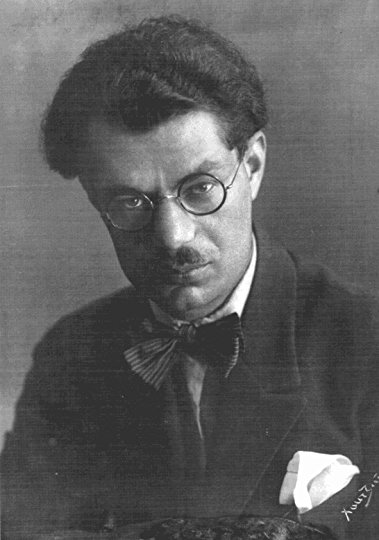
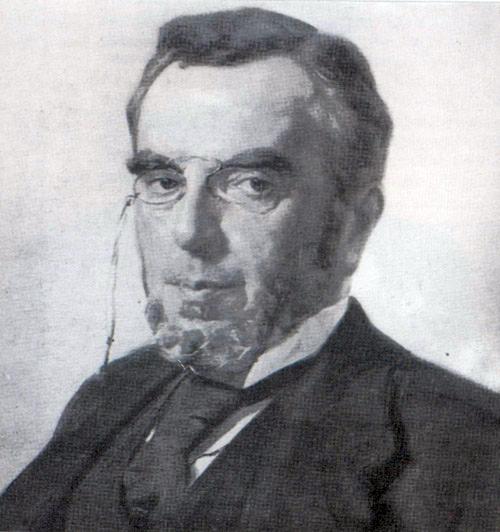
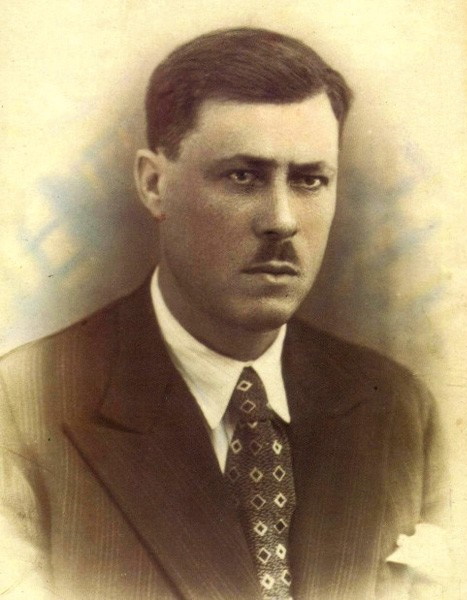
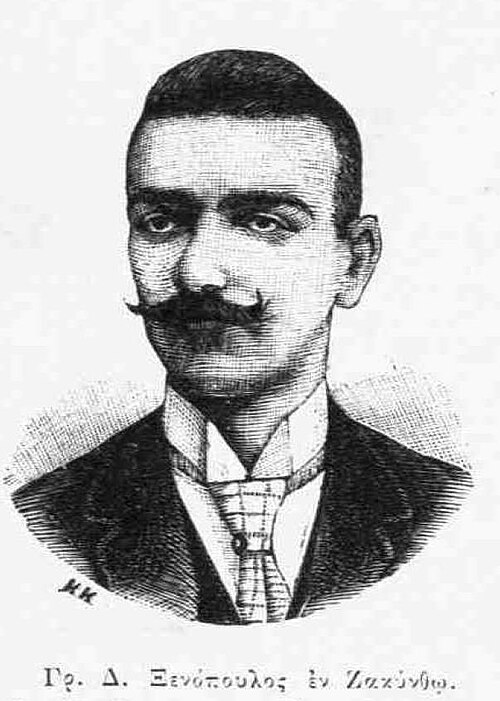
Xenopoulos was born in Constantinople on 9 December 1867, but his family were from Zakynthos and he grew up on the island, whose aristocrats, peasants, dialect and gossip fill his best books. In 1883 he came to Athens to study physics and mathematics at the university; he never finished, because he had already begun to write and publish. His first novel, Ο άνθρωπος του κόσμου (The Man of the World), appeared in 1888 when he was twenty, and from then on he lived by his pen as journalist, critic, editor and novelist, writing a serial for the newspapers almost every year of his life.
In 1896 he became chief editor of Η Διάπλασις των Παίδων (The Formation of Children), the illustrated children's magazine founded in 1879 by Nikolaos Papadopoulos, and he ran it until 1948. Every week he answered the readers' letters and wrote a chatty «Athenian letter» signed Φαίδων, ending with the words «Σας ασπάζομαι» (I embrace you); for half a century Greek children, among them most of the writers of the next generations, grew up with him. In 1927 he founded the literary review Νέα Εστία, which still appears today.
He was elected to the Academy of Athens in 1931, and in 1934 became the first president of the Society of Greek Writers. In 1903 he had been the first Athenian critic to write about an unknown poet from Alexandria, Konstantinos Kavafis. He published his memoirs as Η ζωή μου σαν μυθιστόρημα (My Life as a Novel) in 1938–39, and died in Athens on 14 January 1951.
Works

Xenopoulos wrote two kinds of fiction. The Zakynthos books are the ones that last. Μαργαρίτα Στέφα (1893) was his first novel of island life. Ο κόκκινος βράχος (The Red Rock, 1905) is the love story of Fotini Santri, set among the noble families of the island and ending at the red cliff above the sea that gives the book its name. Στέλλα Βιολάντη (Stella Violanti), written in 1901 and turned into a play in 1909, is his masterpiece in miniature: Stella, daughter of a rich merchant of Zakynthos, writes a love letter to a young man her father despises; when the letter becomes known, her father locks her in a storeroom until she asks forgiveness, and she dies rather than say she was wrong. The play Ο Πόπολαρος (The Commoner, 1933) sets a Zakynthos peasant against the island nobility.
The Athenian novels are social panoramas in the manner of Balzac and Zola, whom he read closely. The trilogy Πλούσιοι και φτωχοί (Rich and Poor, 1919), Τίμιοι και άτιμοι (Honest and Dishonest, 1921) and Τυχεροί και άτυχοι (Lucky and Unlucky, 1924) follows families up and down the ladder of Athens between the wars. For the stage he wrote Το μυστικό της Κοντέσσας Βαλέραινας (The Secret of Countess Valeraina, 1904), Ψυχοσάββατο (All Souls' Saturday, 1911) and Φοιτηταί (Students, 1919), and he was among the first in Greece to champion Ibsen. His Greek is a smooth, modern demotic, long before demotic became the official language, which is one reason he is so easy to read a century later.
Legacy in Greece today
Στέλλα Βιολάντη is read in Greek secondary school, and «Στέλλα Βιολάντη» has become shorthand for a daughter who defies her father; it has been filmed and staged many times. The phrase «Σας ασπάζομαι, Φαίδων» still makes older Greeks smile, and Η Διάπλασις των Παίδων is remembered as the magazine that formed readers from the 1880s to the 1940s, many of whom sent it their first verses. In Zakynthos town his house on Gaita street is the Xenopoulos Museum, with his desk and manuscripts upstairs and a children's library on the ground floor. Νέα Εστία, the review he founded, is the oldest Greek literary magazine still in print. His novels are back in bookshops and free online, in the public domain since 2022.
Did you know?
- In 1903 he published «Ένας ποιητής» (A Poet), the first article in Athens about Konstantinos Kavafis, then unknown outside Alexandria.
- He signed his weekly letter to children «Φαίδων» for more than fifty years, from 1896 to 1948.
- Νέα Εστία, which he founded in 1927, has appeared without interruption ever since.
- His memoirs are titled Η ζωή μου σαν μυθιστόρημα, «My Life as a Novel», a fitting title for a man who wrote around eighty of them.
Key works
| Greek title | Title | Year |
|---|---|---|
| Μαργαρίτα Στέφα | Margarita Stefa | 1893 |
| Στέλλα Βιολάντη | Stella Violanti (novella; play 1909) | 1901 |
| Το μυστικό της Κοντέσσας Βαλέραινας | The Secret of Countess Valeraina (play) | 1904 |
| Ο κόκκινος βράχος | The Red Rock | 1905 |
| Πλούσιοι και φτωχοί | Rich and Poor | 1919 |
| Ο Πόπολαρος | The Commoner (play) | 1933 |
From the works


Public-domain pictures from Wikimedia Commons.
A line to remember
Σας ασπάζομαι. Φαίδων
Sas aspazomai. Faidon
I embrace you. Faidon