Life
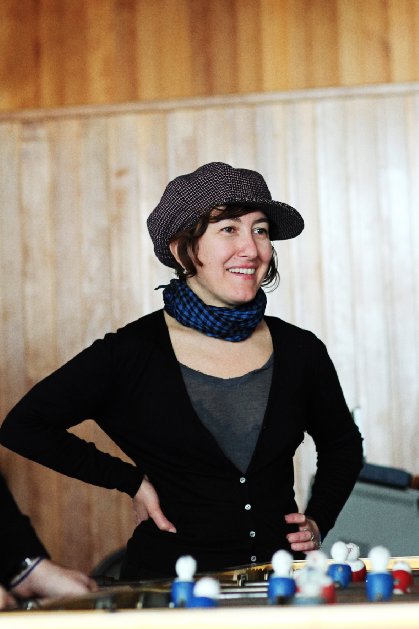
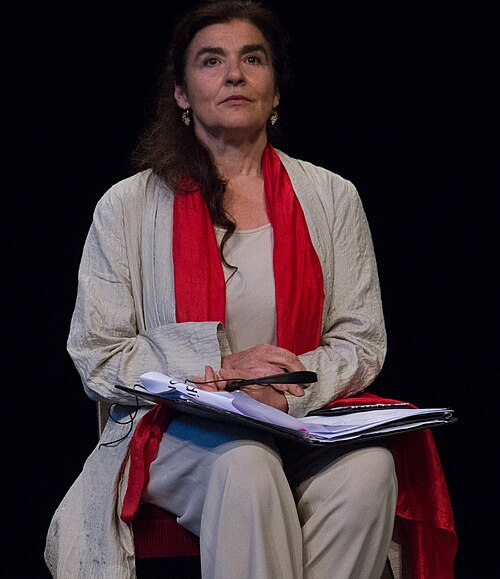
Stratou studied sculpture in London at the institution known as Central Saint Martins, attending during 1983–1988. Her practice developed through installations that combine natural and industrial materials with recorded images and sound. Rather than standing only before an isolated object, viewers may walk into a space and experience changes of scale, rhythm and perspective. Her international projects connect this approach with Greek exhibition and museum life.
In 1995 she formed D.A.ST. Arteam with Alexandra Stratou and Stella Konstantinidis to create Desert Breath. The project was completed in Egypt in 1997. In 1999 she participated in Greece’s presentation at the Venice Biennale with Water Perspective. Subsequent work took her along major rivers and to landscapes marked by human divisions. The River of Life entered the EMST collection in 2004, while Cut — 7 Dividing Lines brought paired photographs into a spatial installation in 2007. She also taught in the postgraduate programme of the Athens School of Fine Arts during 2007–2013. Her 2017 Eleusis installation connected landscape, local history and walking. Across these activities, research journeys become carefully organised encounters for viewers, with attention to the relationships between bodies, surroundings and shared experience.
Works

Desert Breath, 1997, belongs to D.A.ST. Arteam: Danae Stratou, Alexandra Stratou and Stella Konstantinidis. Its interlocking arrangements of raised and hollow sand cones use the Egyptian site itself as material. Weathering was part of the project’s conception. Water Perspective, 1999, combined moving imagery and sound with an aluminium structure; The River of Life, 2004, brought seven synchronised films of major rivers into one environment. Their soundscapes were assembled from recordings of the water and riverbanks along these journeys.
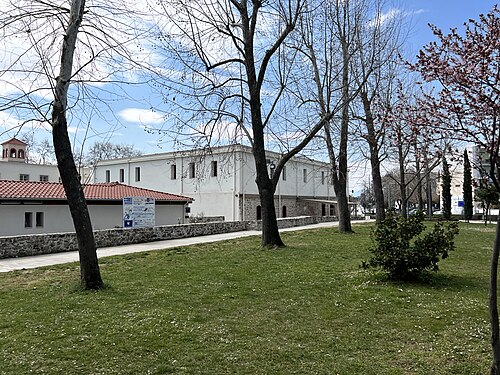
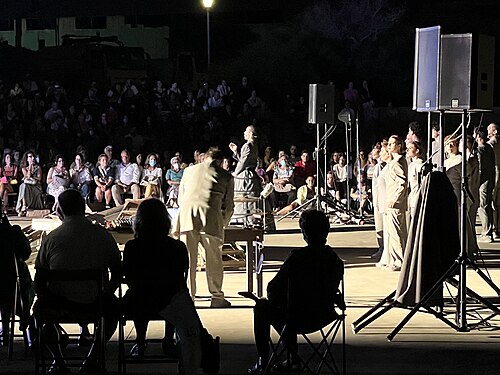
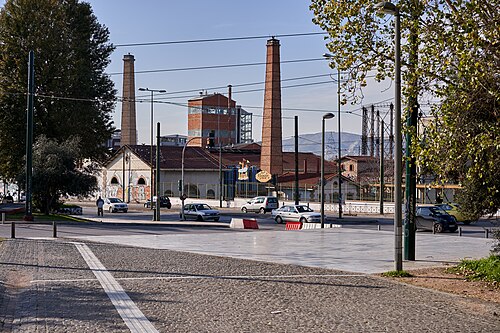
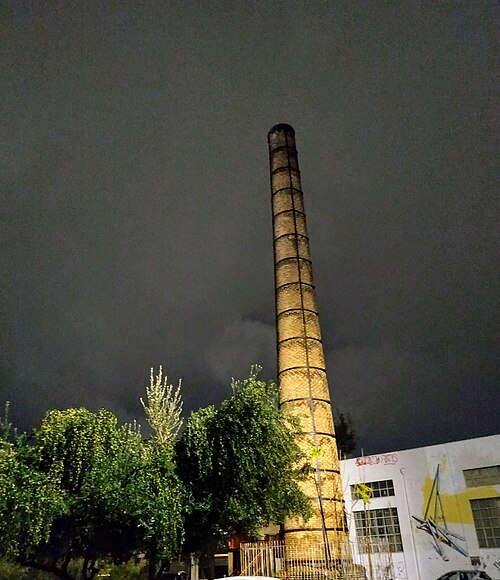
Cut — 7 Dividing Lines, 2007, placed paired photographs from divided places opposite one another, creating a pathway between views. It’s Time to Open the Black Boxes!, 2012, invited public words about threats and things people wished to protect into an installation. Her seed-and-roots metaphor in the interview describes that project’s hoped-for development. Upon the Earth Under the Clouds, first presented in Eleusis in 2017, used water, soil and roughly a thousand ceramic vessels to form a walk through the Old Oil Mill. These different works connect physical experience with questions about environment, separation and common ground, allowing viewers to become conscious of how they inhabit and move through a place.
Legacy in Greece today
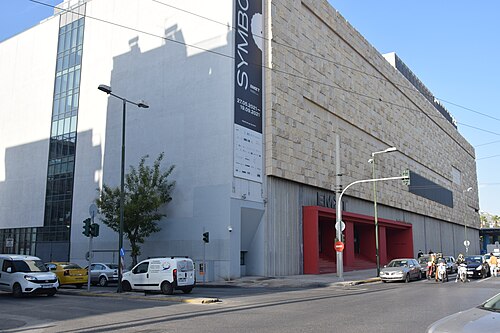
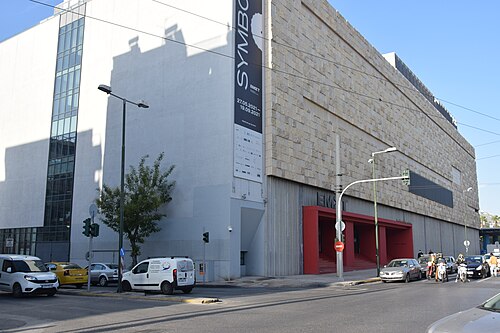
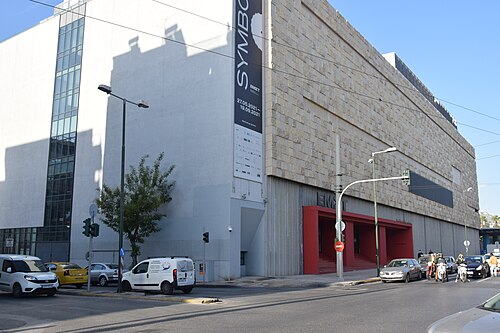
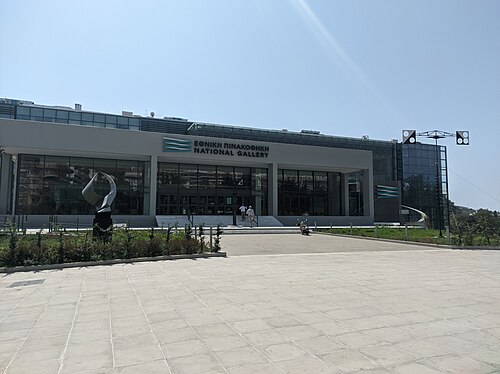
Greek museum records and the artist’s project archive offer concrete routes into this practice. EMST’s collection connects her international journeys with Greek contemporary art, while the Eleusis work makes a local industrial landscape part of a larger conversation about people and the earth.
For Greek practice, draw your own simple river map. Use the passage’s models «Το ποτάμι διασχίζει την πόλη» and «Η γέφυρα ενώνει τις δύο όχθες». Add a dividing line and explain what it χωρίζει. Describe an open or closed route από one place προς another. B1 refers to these supported Modern Greek descriptions. The short interview quotation provides her own Greek words about how an artistic project can develop.
Did you know?
- Desert Breath was created by three collaborators in D.A.ST. Arteam.
- The River of Life combines seven river films.
- Upon the Earth Under the Clouds was first presented in Eleusis in 2017.
Key works
| Greek title | Title | Year |
|---|---|---|
| Desert Breath — συνεργατικό έργο D.A.ST. | Desert Breath — collaborative D.A.ST. project | 1997 |
| Προοπτική νερού | Water Perspective | 1999 |
| Το ποτάμι της ζωής | The River of Life | 2004 |
| Cut — 7 Διαχωριστικές γραμμές | Cut — 7 Dividing Lines | 2007 |
| It’s Time to Open the Black Boxes! | It’s Time to Open the Black Boxes! | 2012 |
| Πάνω στη Γη Κάτω από τα Σύννεφα | Upon the Earth Under the Clouds | 2017 |
A line to remember
Εγώ έβαλα το σπόρο, αλλά οι ρίζες που θα βγουν δεν ξέρουμε πού θα μας οδηγήσουν.
Egó évala to spóro, allá oi rízes pou tha vgoun den xéroume poú tha mas odigísoun.
I planted the seed, but we do not know where the roots that emerge will lead us.