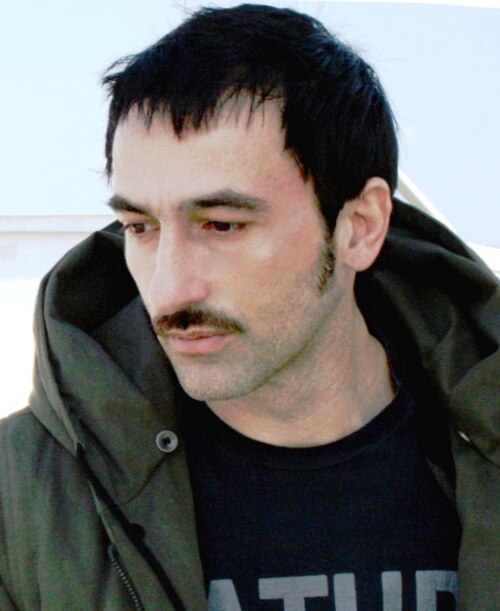
Life
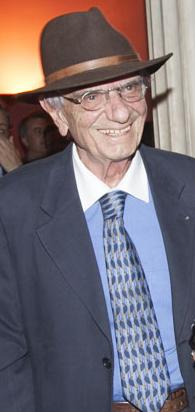
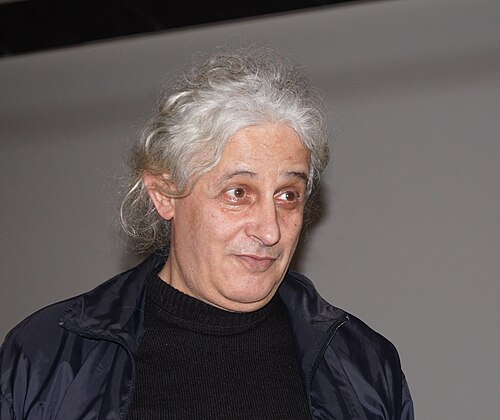
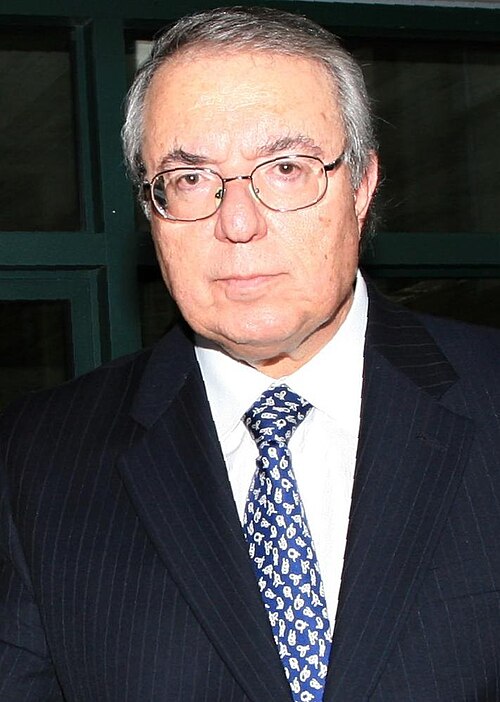
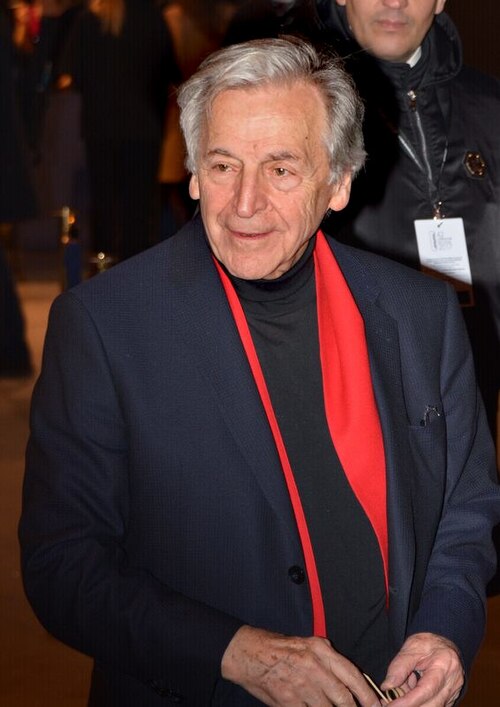
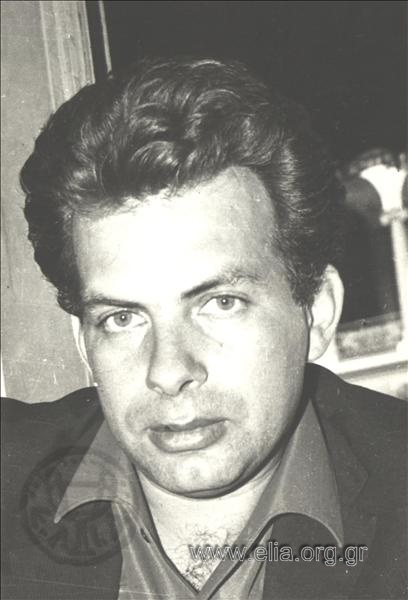
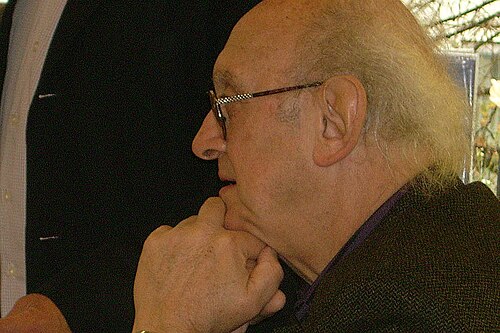
Papaioannou first became known as a painter and comics artist. He studied with Yannis Tsarouchis before attending the Athens School of Fine Arts. Drawing and the arrangement of figures remained important as his interests moved towards performance. In 1986, he co-founded Edafos Dance Theatre with Angeliki Stellatou. The company combined physical theatre, experimental dance and performance art, developing from an underground Athens scene towards larger audiences. Medea, created in 1993, marked its move into major theatres and became a defining work of the group.
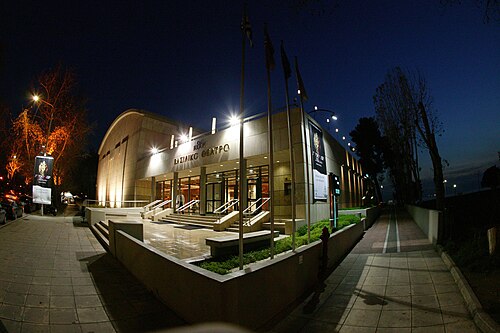
As creative director of the opening and closing ceremonies of the 2004 Athens Olympics, he worked on a radically different scale. The collective labour of performers, designers and technical teams brought his visual approach into a stadium and a worldwide broadcast. He returned to stage experimentation with 2 in 2006, Nowhere for the renovated National Theatre in 2009 and Inside in 2011. Later productions travelled internationally, while Since She in 2018 brought him to Tanztheater Wuppertal Pina Bausch. His career moves between large public events and concentrated theatrical encounters. Across these scales, his earlier training in visual art remains legible in the attention to composition, lighting and the changing relationships between figures.
Works

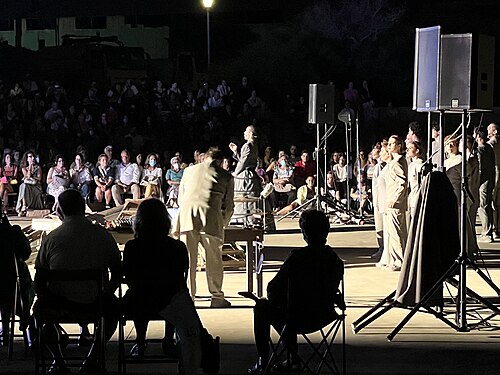
Πρώτη ύλη (Primal Matter), created for the Athens Festival in 2012, reduces the stage to a meeting of two male performers. Bodily contact, dependence and transformation emerge through carefully coordinated actions. Still Life (2014) expands the relationship between human effort and material resistance: lifting, balance and repeated labour can suggest Sisyphus without simply illustrating a myth. Its sound and stage arrangements make weight and duration something an audience can almost feel. Everyday tasks become both difficult and unexpectedly funny.
Ο Μεγάλος Δαμαστής (The Great Tamer, 2017) brings ten performers into shifting images of bodies, earth and the passage of life. The production later generated a photographic publication from the Onassis Foundation, with a poem by Anne Carson. Εγκάρσιος Προσανατολισμός (Transverse Orientation) premiered in Lyon in 2021. Images of a bull, human figures and changing materials connect myth and art history through associations rather than a spoken plot. Papaioannou’s work joins choreography with the making and undoing of pictures. What matters is often the transition: how one body seems to become another form, how an object changes purpose, or how a precise physical action overturns what the spectator thought they saw.
Legacy in Greece today
Papaioannou’s work links Greek visual culture with contemporary performance in Greece and abroad. Official production archives preserve photographs and short videos, while the bilingual Great Tamer album offers another route into his imagery. His stage language is mainly visual; a wordless performance is different from Greek listening practice.
Use the graded passage, then choose a production photograph from his official archive. Name σώμα, χέρι and βάρος and write two captions with σηκώνει or λυγίζει. Describe what is visible before explaining what it might mean. Read the short interview quotation with its translation and notice χωρίς λόγια, “without words.” The B1 activity turns observed movement into Modern Greek sentences; the complete interview will need additional support.
Did you know?
- He trained as a visual artist before focusing on performance.
- Edafos Dance Theatre was co-founded with Angeliki Stellatou in 1986.
- The Great Tamer inspired a bilingual photographic book with a poem by Anne Carson.
Key works
| Greek title | Title | Year |
|---|---|---|
| Μήδεια | Medea: stage work | 1993 |
| Τελετές Ολυμπιακών Αγώνων Αθήνας | Athens Olympic opening and closing ceremonies | 2004 |
| Πρώτη ύλη | Primal Matter: duet | 2012 |
| Still Life | Still Life: stage work | 2014 |
| Ο Μεγάλος Δαμαστής | The Great Tamer: stage work | 2017 |
| Εγκάρσιος Προσανατολισμός | Transverse Orientation: stage work | 2021 |
A line to remember
Προσπαθώ να φτιάξω μια γλώσσα για ένα θέατρο χωρίς λόγια
Prospathó na ftiáxo mia glóssa gia éna théatro chorís lógia
I am trying to create a language for a theatre without words.