Life
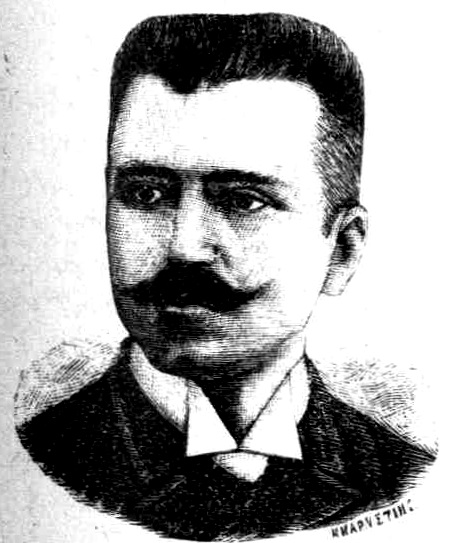
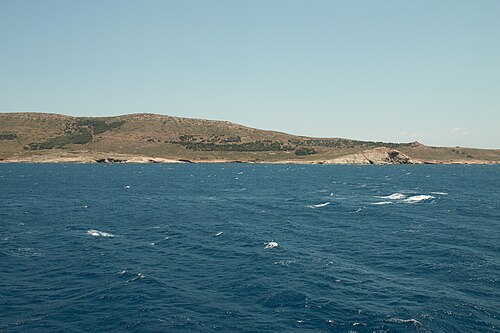
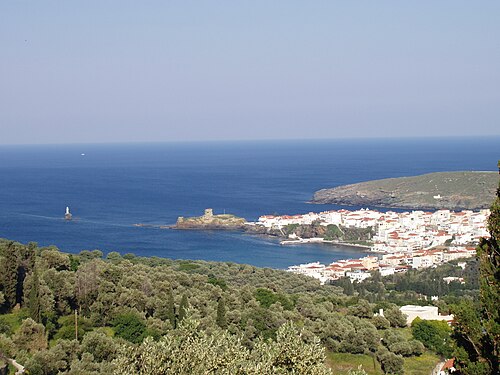
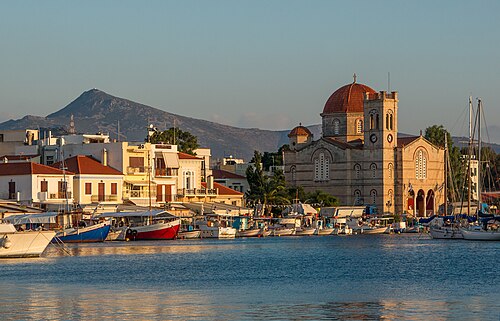
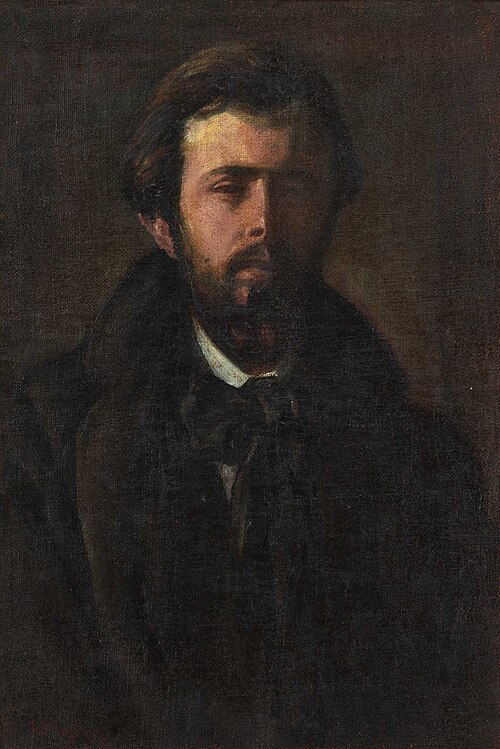
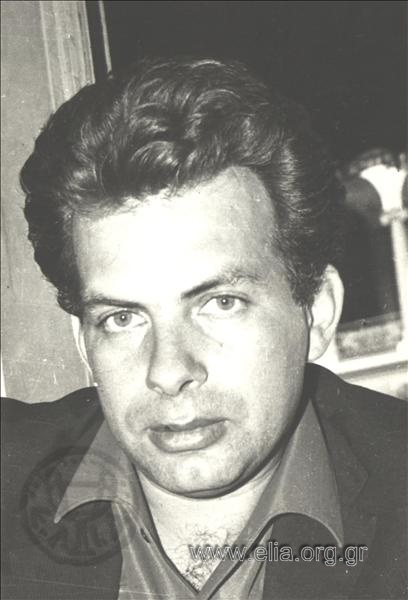
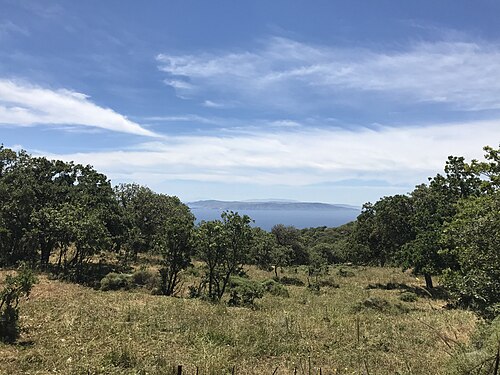
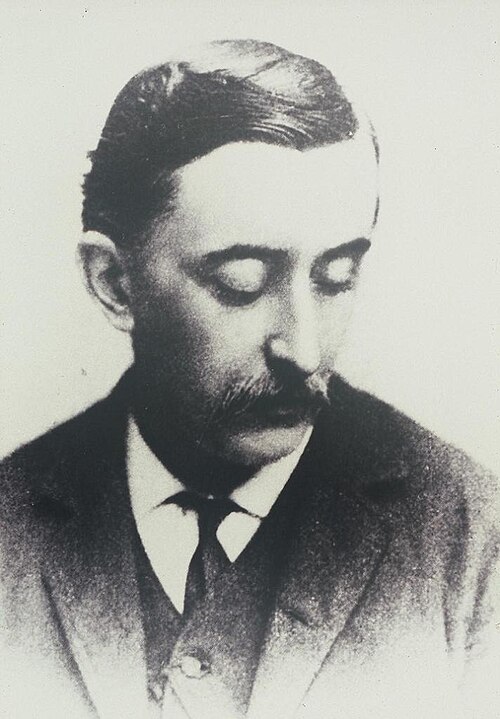
Patrick Lafcadio Hearn was born on Lefkada on 27 June 1850, when the Ionian Islands were under British protection. His mother, Rosa, came from Kythira; his father, Charles, was an Irish military surgeon. Taken to Ireland while very young, Hearn grew up away from his Greek birthplace. He was educated in Ireland, France and England, and lost the sight of his left eye in a school accident. In 1869 he crossed the Atlantic, beginning an uncertain life that eventually led to newspaper work in Cincinnati.
He moved to New Orleans and later spent time on Martinique, observing places shaped by several languages and histories. In 1890 he reached Japan, where he found work teaching English in Matsue. His partnership with Koizumi Setsu became central to his family and literary life. In 1896 he became a Japanese citizen and took the name Koizumi Yakumo. He also taught English literature in Tokyo. He died there on 26 September 1904. Greek-Irish ancestry, British nationality at birth, English writing and Japanese citizenship describe different parts of this life; none should be confused with a claim that his famous books were originally Greek.
Works

Hearn developed his craft through journalism before writing the books about Japan for which he is most widely remembered. Chita (1889), a short novel associated with the Louisiana coast, belongs to his American years. Glimpses of Unfamiliar Japan (1894) combines observation, travel and reflection. Kokoro (1896) gathers essays concerned with the inner life of Japanese society. Kwaidan (1904) brings together strange stories and studies of insects, showing that a ghost tale and close attention to small living things could share the same book.
These works were written in English. Greek titles in the table are reading aids, not evidence of lost Greek originals. Hearn’s Japanese stories also reached him through books, conversations and collaborators, including Setsu. They are literary retellings, not transparent recordings of an entire culture. His own preface explains how a storyteller reshapes borrowed material. The line below is our Modern Greek translation of that English sentence, clearly marked as such. Read for atmosphere, sound and the moments when an ordinary scene becomes strange. At the same time, ask who is telling the story, who helped transmit it and which audience the author imagined.
Legacy in Greece today
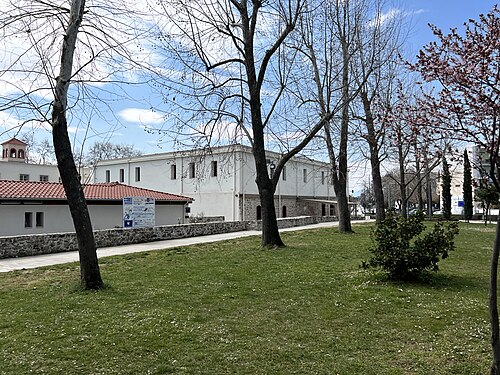
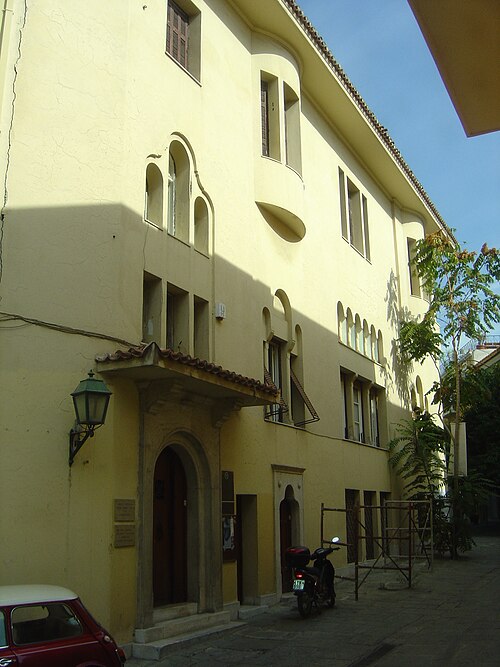
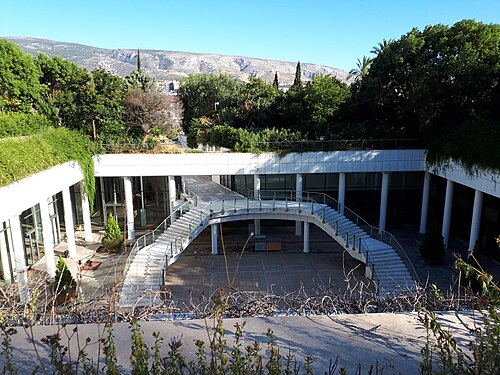
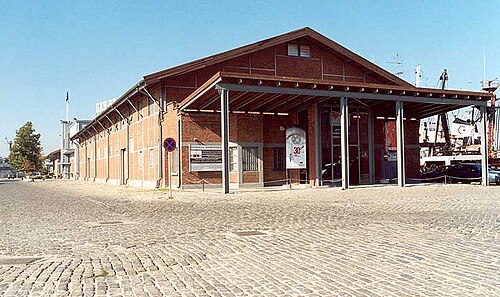
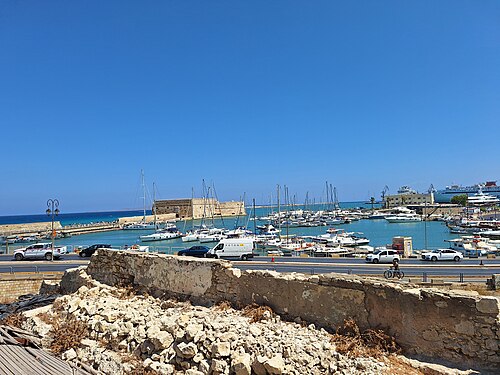
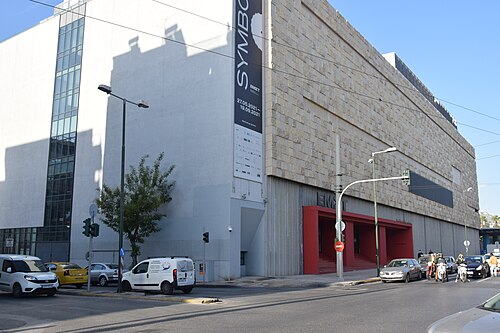
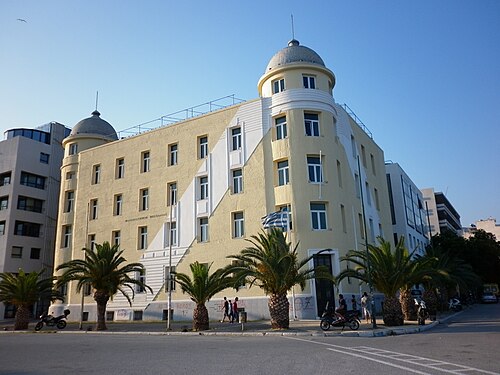
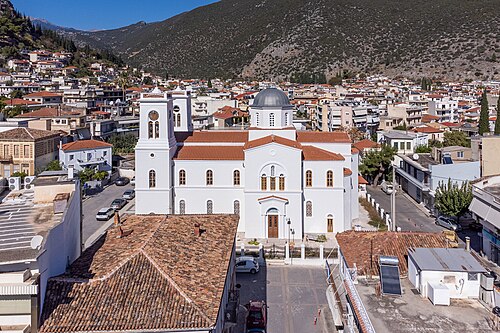
Lefkada honours its native-born writer through the Lafcadio Hearn Historical Center, established in 2014 within the municipality’s Cultural Center. Its texts, images and exhibits connect his island birthplace with Ireland, the Americas and Japan. This connection belongs to Greek cultural memory even though his major books were written in English.
Use the centre’s Greek descriptions as a language exercise: find Λευκάδα, Ιρλανδία and Ιαπωνία, then draw a route and describe it with γεννήθηκε, μεγάλωσε and ταξίδεψε. Write a short account of your own journey using the same verbs. Comparing a Greek translation with a brief English passage can also reveal how translators carry atmosphere between languages without turning the translation into an original.
Did you know?
- His mother came from Kythira, while he was born on Lefkada.
- He became a Japanese citizen in 1896 and used the name Koizumi Yakumo.
- Kwaidan includes essays about insects as well as ghost stories.
Key works
| Greek title | Title | Year |
|---|---|---|
| Τσίτα (Chita) | Chita: a Louisiana novella | 1889 |
| Ματιές στην άγνωστη Ιαπωνία (Glimpses of Unfamiliar Japan) | Glimpses of Unfamiliar Japan | 1894 |
| Κοκόρο (Kokoro) | Kokoro: essays on Japanese life | 1896 |
| Κουάινταν (Kwaidan) | Kwaidan: stories and studies of strange things | 1904 |
A line to remember
Ο αφηγητής, όμως, σε κάθε περίπτωση ξαναχρωμάτισε και ξαναδιαμόρφωσε το δάνειό του, ώστε να το εντάξει στον δικό του τόπο.
O afigitis, omos, se kathe periptosi xanachromatise kai xanadiamorfose to daneio tou, oste na to entaxei ston diko tou topo.
But the storyteller in every case recoloured and reshaped what he borrowed so that it would belong in his own setting.