Life
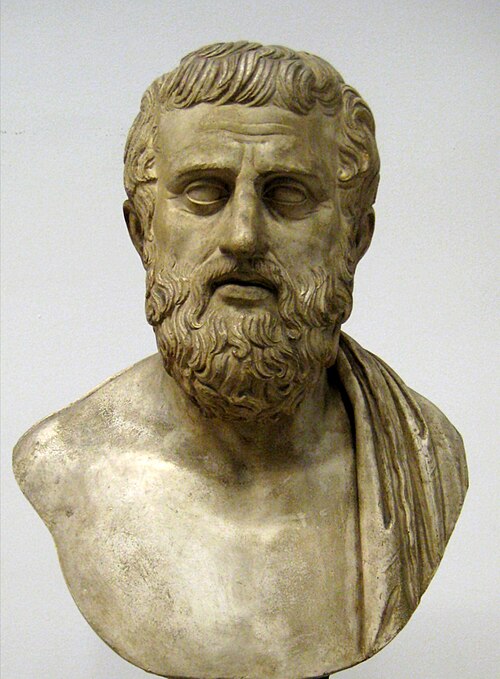
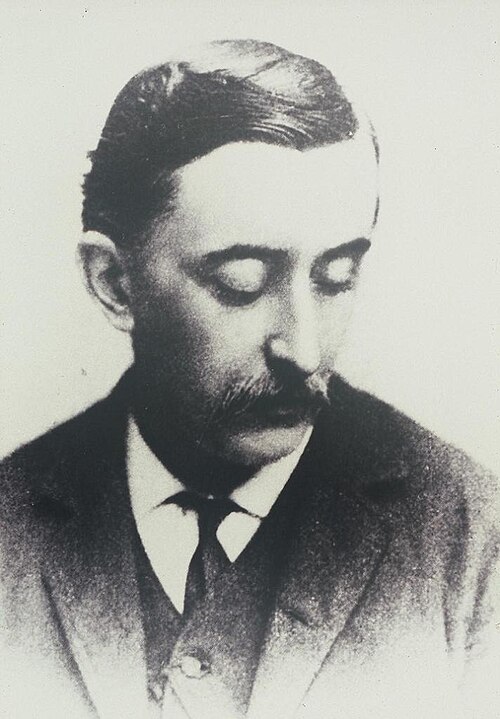
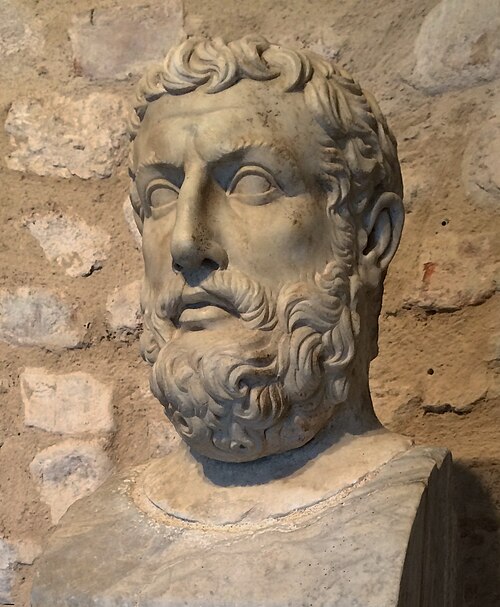
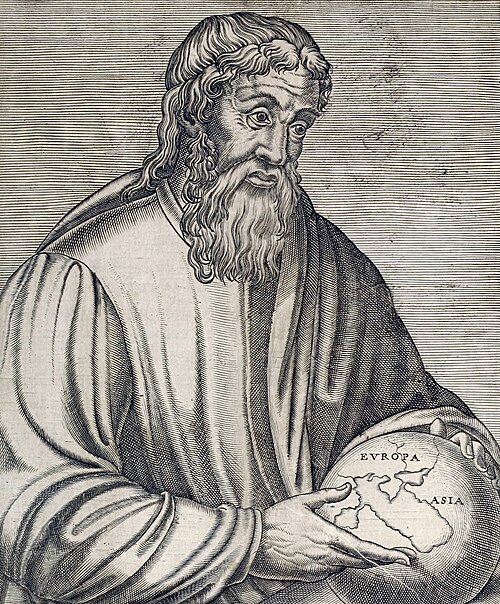
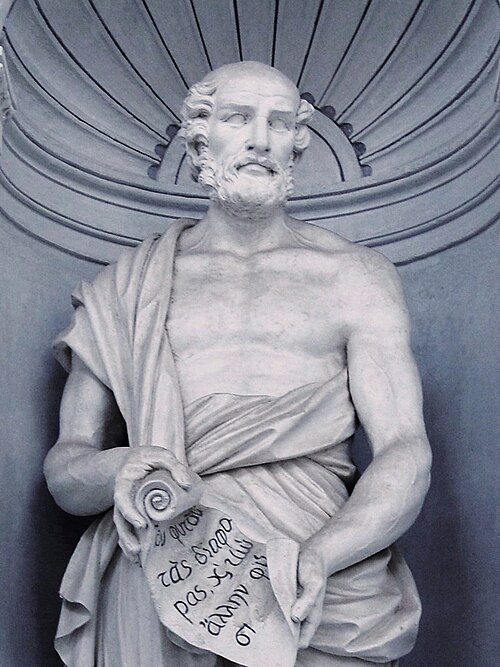
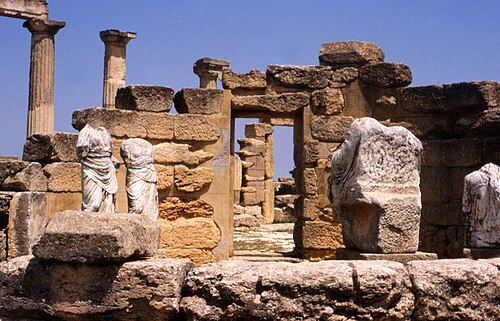
Callimachus was born around 305 BC in Cyrene, a Greek city in northern Africa, in present-day Libya. He later moved to Alexandria in Egypt. Biographical tradition recalls an early period as a schoolteacher. His poetic career developed in the world of Ptolemy II Philadelphus, court patronage and learned collections. The dates and stages of this career remain approximate.
His scholarship connected literary creation with the study of earlier authors. The lost Πίνακες (Tables) organised authors by literary genre and recorded information about their lives and writings. Traditional accounts describe it in 120 books, meaning ancient textual divisions. Its scale shows the importance of organising and comparing Greek literature in the Alexandrian scholarly environment, alongside the creation of new poetry.
In an epigram, his poetic speaker remembers the fellow poet Heraclitus of Halicarnassus and imagines his poems as living nightingales. His own death is usually placed around 240 BC. Later Roman poets, including Catullus and Propertius, responded to his literary example. His work continues to emerge through material evidence: a volume of the Oxyrhynchus papyri announced by Oxford in 2025 included new pieces of the fragmentary poem Εκάλη (Hecale).
Works

The composition Αίτια (Origins) gathers stories explaining names, festivals, customs and other phenomena. The poet presents questions and answers involving the Muses, turning inquiry into literary performance. These accounts belong to myth and poetic tradition. The composition survives in fragments and summaries, with papyri restoring substantial passages. Its attention to why something has a particular name or ritual gives modern readers a productive question to pursue.
Εκάλη (Hecale), also fragmentary, reshapes a heroic story around Theseus’ shelter in an old woman’s poor home before his encounter with the Marathonian bull. Hospitality and a small domestic setting displace the expected focus on combat. The story also explains commemorative names and observances within its mythical world.
The six Ύμνοι (Hymns) survive complete, combining stories of gods with learned detail and changing narrative perspectives. The Επιγράμματα (Epigrams) use brief forms for mourning, dedication, love and literary reflection; the poem to Heraclitus makes poetry’s survival an image of living birds. The fragmentary Ίαμβοι (Iambi) further demonstrate variety of voice and form. Across these works, Homeric language, dialect and rare expressions become material for inventive composition. His preference for precision and refinement renews inherited forms rather than simply rejecting the literary past.
Legacy in Greece today
Callimachus connects curiosity about Greek culture with attention to how a question is answered. The origin stories in Αίτια invite a practical Modern Greek activity. Read the adapted B1 passage and ask Γιατί κρατάμε αυτό το αντικείμενο; Then answer Επειδή μας θυμίζει μια γιορτή. Choose a souvenir of your own, give a short reason for keeping it and let a partner ask another γιατί question. Check that your επειδή answer gives a cause. Keep a traditional story separate from a fact supported by evidence. The ancient poems need further language support; this activity uses original Modern Greek examples. Say both sentences aloud.
Did you know?
- From Cyrene, active in Alexandria; life dates are approximately 305–240 BC.
- The works belong to the third century BC; individual composition dates are often uncertain.
- Six Hymns survive complete; Aetia and Hecale survive in fragments.
- The quoted epigram addresses the poet Heraclitus of Halicarnassus.
Key works
| Greek title | Title | Year |
|---|---|---|
| Αίτια | Origins — fragmentary elegiac composition | 3rd c. BC |
| Εκάλη | Hecale — fragmentary short narrative poem | 3rd c. BC |
| Ίαμβοι | Iambi — fragmentary poems in varied voices | 3rd c. BC |
| Ύμνοι | Hymns — six complete poems | 3rd c. BC |
| Επιγράμματα | Epigrams — short poems preserved in later anthologies | 3rd c. BC |
| Πίνακες | Tables — lost bibliography of authors and works | 3rd c. BC |
A line to remember
αἱ δὲ τεαὶ ζώουσιν ἀηδόνες
In today's GreekΌμως τα δικά σου αηδόνια ζουν.
Hai dè teaì zṓousin aēdónes.
But your nightingales live on.