Life
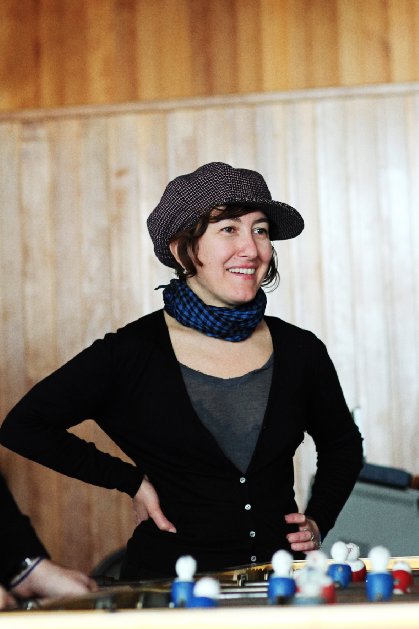
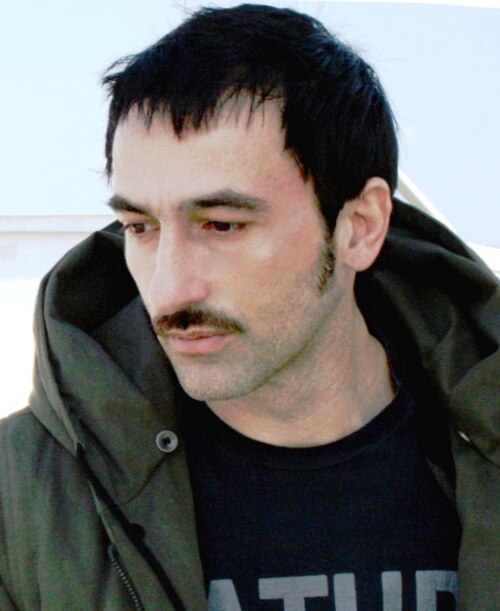
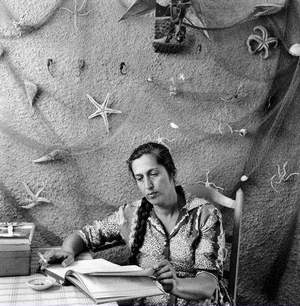
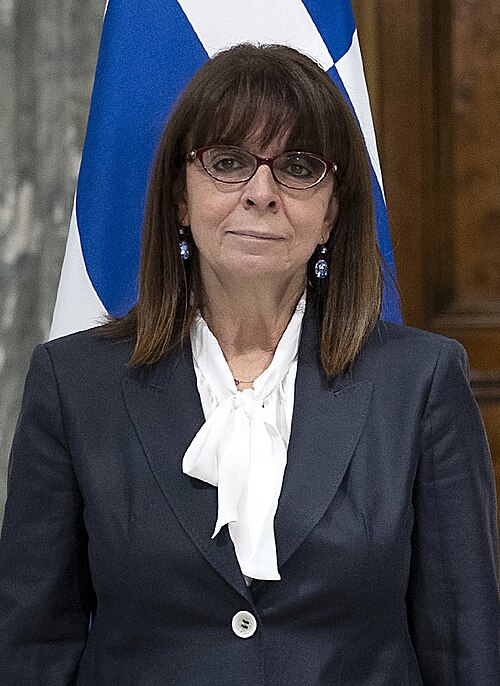
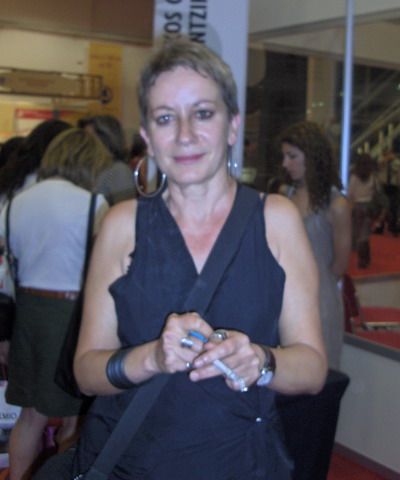
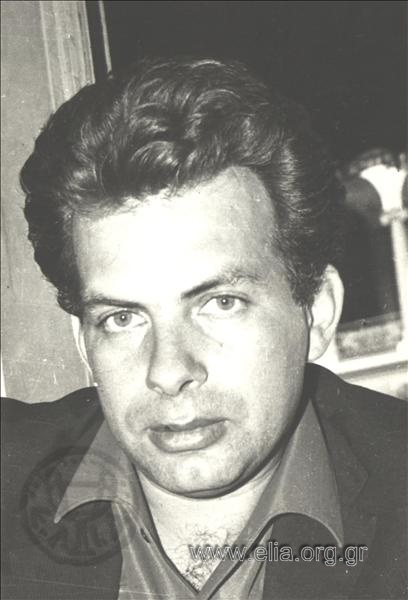
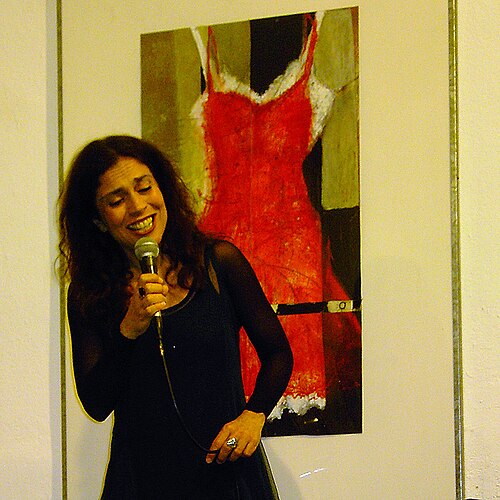
Amanda Michalopoulou, also transliterated Amanta Michalopoulou, was born in Athens in October 1966. She studied French literature in Athens and journalism in Paris. Her work as a regular columnist for Kathimerini ran from 1990 to 2008, alongside a growing literary bibliography. Writing for newspapers and writing fiction gave her different ways to observe everyday language and the shape of a story.
Her first story collection, Έξω η ζωή είναι πολύχρωμη (Life Is Colourful Outside), appeared in 1994. The novel Γιάντες (Jantes, 1996) received the Diavazo novel award. She later lived for seven years in Berlin, returning to Greece in 2010. Literary residencies and translations also brought her writing into contact with readers beyond Greece. Her collection Λαμπερή μέρα (Bright Day), published in 2012, received the Academy of Athens's Petros Haris short-story prize in 2013.
Michalopoulou teaches creative writing as well as publishing fiction. Her public discussions of craft describe rereading, removing adjectives and simplifying sentences. Μπαρόκ (Baroque, 2018) experimented with a life told backwards; Η μεταμόρφωσή της (Her Metamorphosis, 2022) returned to the novella. Το μακρύ ταξίδι της μιας μέσα στην άλλη (The Long Journey of One Inside the Other), published in March 2025, brought women's conversations and interwoven experiences into a novel about motherhood.
Works

Θα ήθελα (I'd Like, 2005) builds connections between stories that can also stand independently. Characters and objects reappear in altered circumstances: a small detail becomes a link, while a new telling changes its weight. Michalopoulou has described breaking an attempted continuous novel into separate narratives. Karen Emmerich's English translation appeared in 2008, giving another readership access to this arrangement.
Η γυναίκα του Θεού (God's Wife, 2014) uses an invented marriage to explore voice, power and the freedom of storytelling. Μπαρόκ (Baroque, 2018) reverses a familiar narrative direction, moving from an adult woman's present towards earlier stages of her life. The changing age of the narrator also raises a question of language: how can the words belong to the person she was at each moment?
In Η μεταμόρφωσή της (Her Metamorphosis, 2022), the fictional student Sasha wakes in a male body in a world already altered by a flood. The premise tests gender expectations and authority. Το μακρύ ταξίδι της μιας μέσα στην άλλη (The Long Journey of One Inside the Other, 2025) brings together women's voices, family conversations and dreams. Across these books, form is an active part of the story: a sequence, a voice or an unexpected change makes readers reconsider what they thought they knew.
Legacy in Greece today
Read Michalopoulou's brief interview answer about reading, then try her documented habit of simplifying a draft. Write three original Modern Greek sentences about a person entering a room. Keep one precise detail, such as a red cup, and make a second version by removing an unnecessary adjective and one repetition. Read both versions aloud. Which is clearer, and which detail gives the scene its character? Explain your choice with μια λεπτομέρεια or μια πιο σύντομη φράση. The exercise makes vocabulary, adjective choice and sentence rhythm audible. The B1 passage offers support; her full literary stories invite slower reading with a dictionary or translation. Your small rewritten scene is a first step into that attention.
Did you know?
- I’d Like appeared in Greek in 2005 and in Karen Emmerich’s English translation in 2008.
- Baroque tells a life backwards rather than from childhood onward.
- Bright Day was published in 2012 and received the Academy’s Petros Haris short-story prize in 2013.
Key works
| Greek title | Title | Year |
|---|---|---|
| Θα ήθελα | I’d Like | 2005 |
| Λαμπερή μέρα | Bright Day | 2012 |
| Η γυναίκα του Θεού | God’s Wife | 2014 |
| Μπαρόκ | Baroque | 2018 |
| Η μεταμόρφωσή της | Her Metamorphosis | 2022 |
| Το μακρύ ταξίδι της μιας μέσα στην άλλη | The Long Journey of One Inside the Other | 2025 |
A line to remember
Στις κακές μέρες διαβάζω περισσότερο απ’ όσο γράφω.
Stis kakes meres diavazo perissotero ap’ oso grafo.
On bad days I read more than I write.