Life
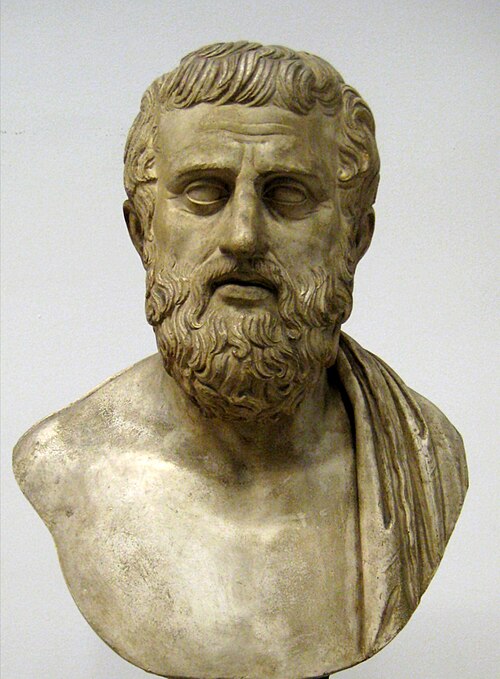
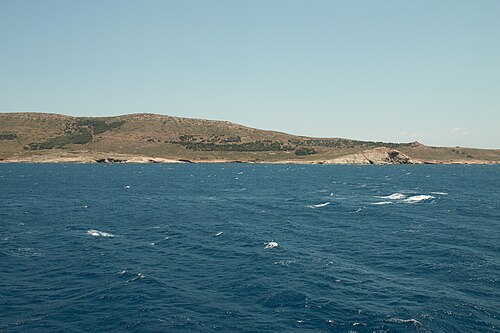
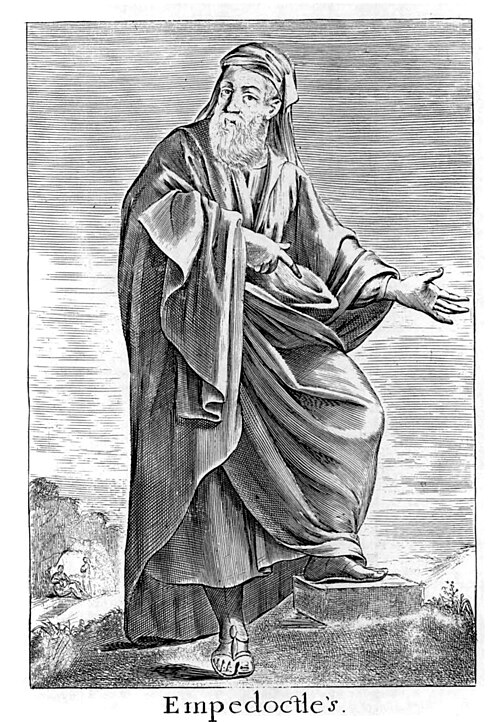
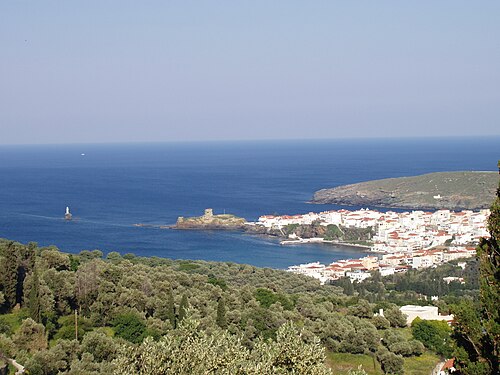
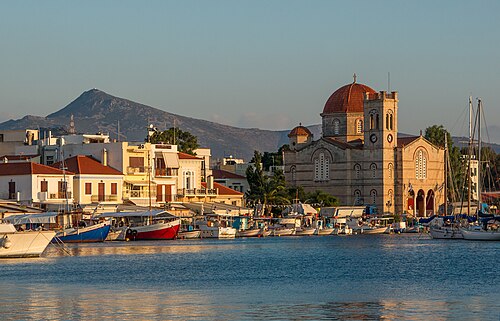
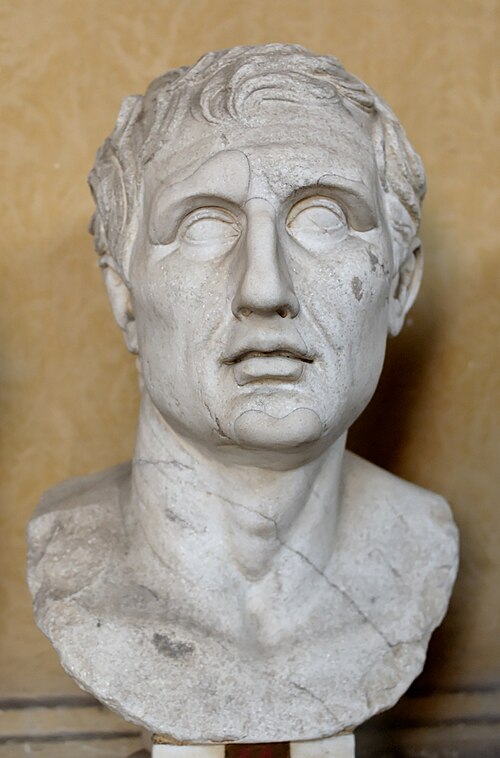
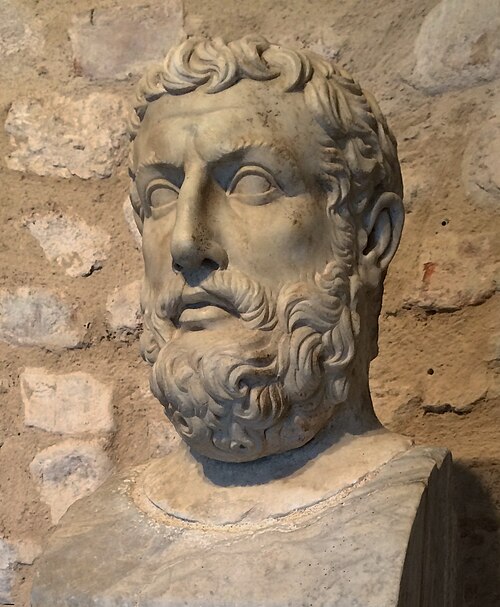
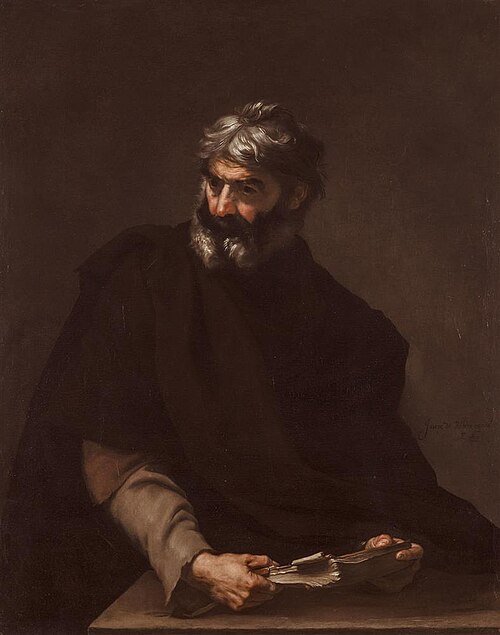
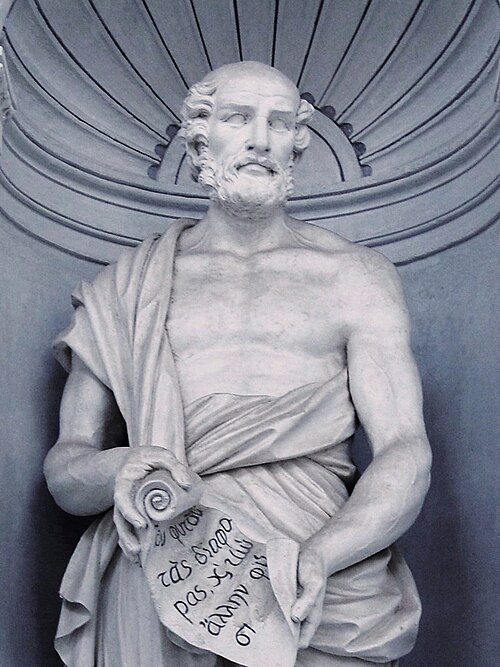
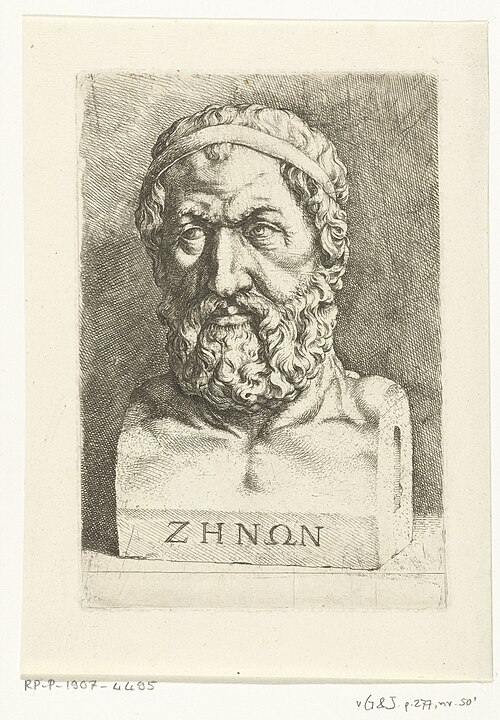
Simonides came from the island of Kea, also known in ancient sources as Ceos. His life is traditionally placed around 556–468 BC, spanning the late archaic period and the Persian Wars. Greek literary histories connect his career with Athens, Thessaly and Sicily, where rulers and wealthy patrons supported poets and public performance. His work belongs to a world in which songs could praise a patron, commemorate a victory or give public form to grief. The familiar Latin spelling Simonides and the Greek Σιμωνίδης identify the same Cean poet.
The surviving evidence is uneven. Plato explicitly introduces a song addressed to Scopas, while Diodorus quotes a poem honouring those who died at Thermopylae. These passages establish a varied poetic reputation, but they do not give a continuous account of his movements or personal experiences. Later authors also made him the hero of memorable stories. Cicero tells how Simonides supposedly identified victims after a banquet hall collapsed by remembering their places at the table, linking the story to memory training. This is a later literary tradition, rather than a contemporary record of the event. His biography and reputation therefore emerge from several kinds of testimony: surviving verse, ancient discussion and stories told long afterwards.
Works

Simonides’s poetry survives mainly in fragments quoted by other authors. Modern editions identify many of these passages by number. Fragment 542 PMG, the song to Scopas, discusses the difficulty of becoming truly good. In Plato’s Πρωταγόρας (Protagoras), speakers debate whether the poem contradicts itself, partly by distinguishing becoming good from being good. Their interpretation belongs to a philosophical dialogue, not an explanation supplied directly by the poet. Fragment 521 PMG, transmitted by Stobaeus, warns about the uncertainty of human fortune.
The passage conventionally called Δανάη (Danae), fragment 543 PMG, presents a mother and child at sea. Danae’s anxious speech contrasts with the sleeping infant Perseus; the scene belongs to myth, not the poet’s biography. The praise of the Thermopylae dead, fragment 531 PMG, turns mourning towards lasting remembrance. Diodorus explicitly quotes it as Simonides’s work. This poem is separate from the famous Spartan epitaph beginning with an address to a stranger. Herodotus records that epitaph without naming Simonides as its author. He specifically connects Simonides with the inscription for the seer Megistias. The distinction matters: a poet’s large later reputation does not make every memorable ancient epigram securely his. Praise, lament and reflection remain visible across the transmitted fragments.
Legacy in Greece today
Simonides remains accessible through Greek literary anthologies, the discussion in Plato and the commemorative tradition around Thermopylae. Start with the short quotation here and its own Modern Greek rendering. The B1 level belongs to this page’s adapted reading, not independent mastery of the ancient poem. Then compare two original sentences: Είμαι αρχάριος στα ελληνικά (I am a beginner in Greek) and Με την εξάσκηση γίνομαι πιο άνετος (With practice I become more at ease). The first describes a state; the second a change. Choose one small language goal and explain how you will practise. This activity takes its cue from the dialogue’s distinction without claiming that Simonides was writing language-learning advice.
Did you know?
- Ceos is the island now commonly called Kea.
- Plato quotes a song by Simonides addressed to Scopas.
- The Danae fragment presents a mythical mother and child.
- The famous Spartan epitaph has a less secure attribution than popular retellings suggest.
Key works
| Greek title | Title | Year |
|---|---|---|
| Τραγούδι για τον Σκόπα (542 PMG) | Song to Scopas — fragment 542 PMG | ? |
| Ανθρώπινη τύχη (521 PMG) | Human Fortune — fragment 521 PMG | ? |
| Δανάη (543 PMG) | Danae — fragment 543 PMG | ? |
| Τῶν ἐν Θερμοπύλαις θανόντων (531 PMG) | The Thermopylae Dead — fragment 531 PMG | after 480 BC |
A line to remember
ἄνδρ᾽ ἀγαθὸν μὲν ἀλαθέως γενέσθαι χαλεπόν
In today's GreekΕίναι δύσκολο να γίνει ένας άνθρωπος αληθινά καλός.
ándr’ agathòn mèn alathéōs genésthai chalepón
To become a truly good person is hard.