Life
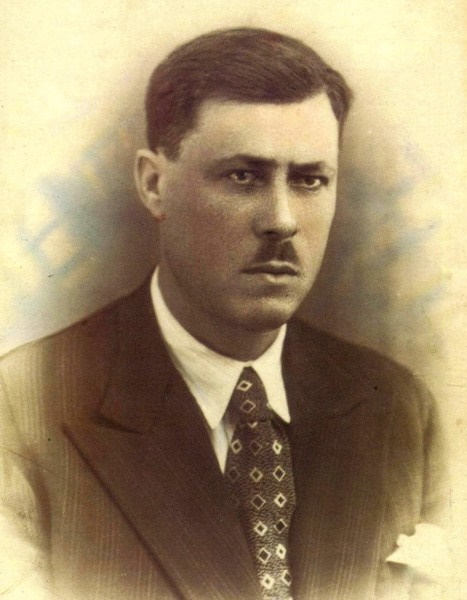
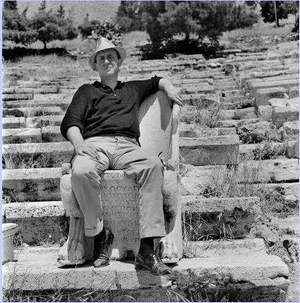
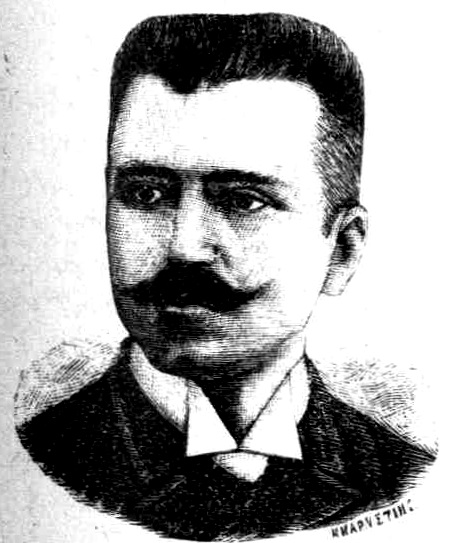
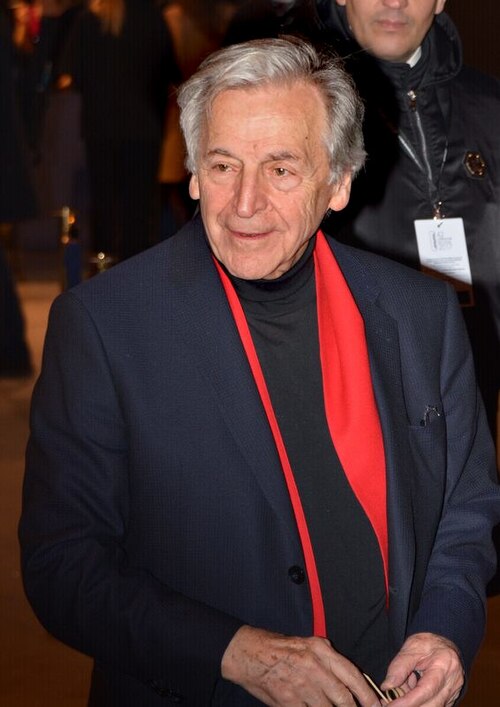
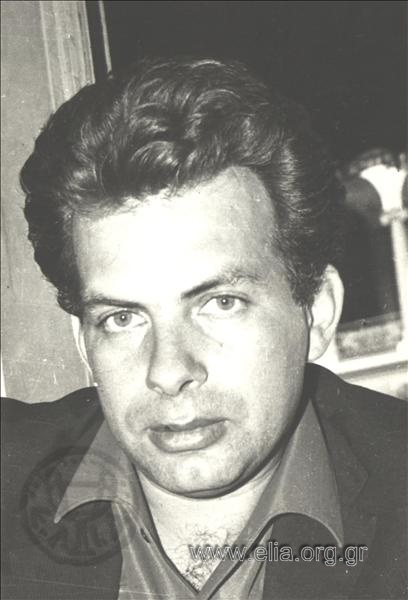
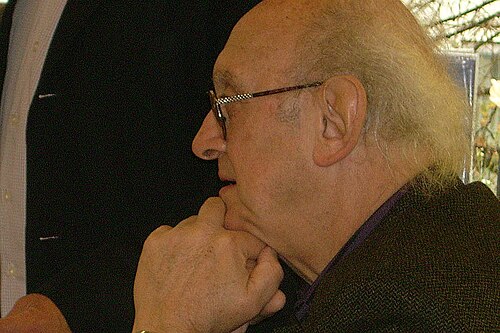
Tornes entered film work in the 1950s as an actor and assistant director. He worked within Greek cinema before developing his own filmmaking practice. In 1967 he co-directed the short documentary Theraic Dawn with Kostas Sfikas. His move to Italy around the dictatorship years brought both ordinary paid work and encounters with European cinema. He acted in films by directors including Francesco Rosi and the Taviani brothers, while making his own projects.
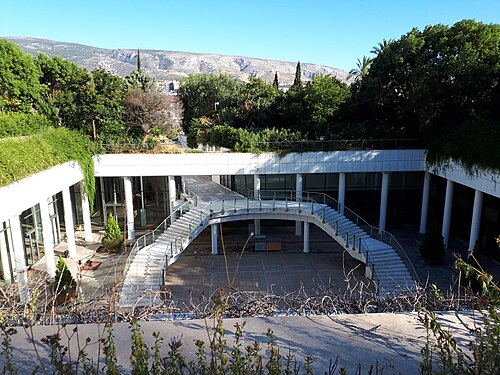
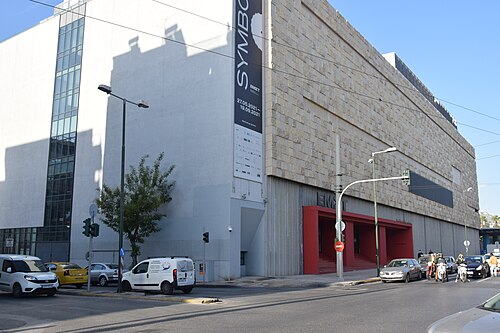
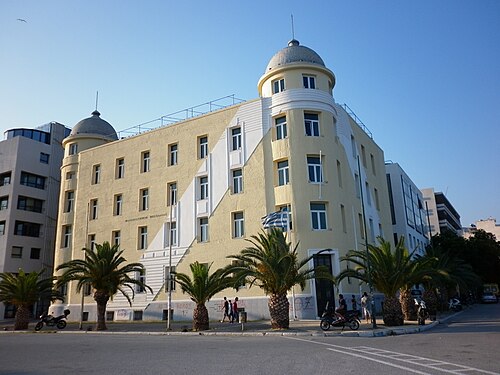
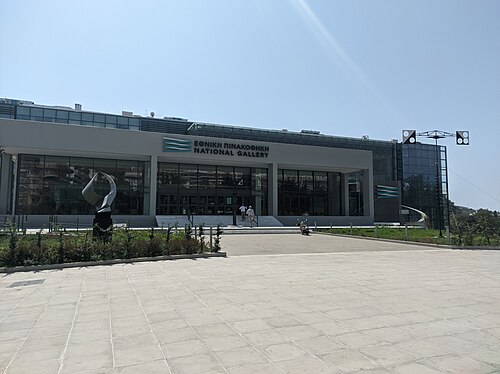
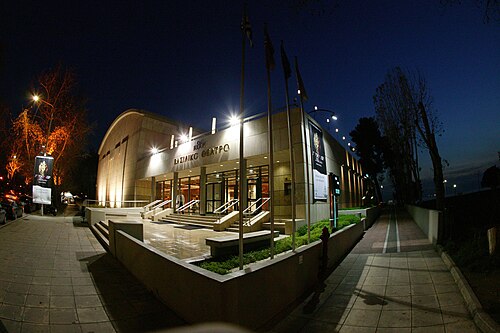
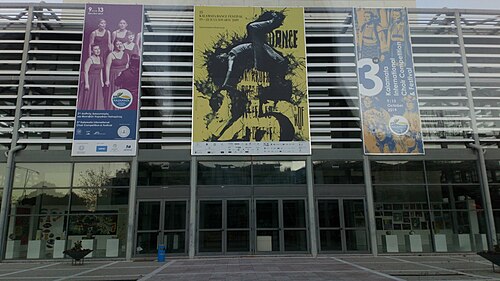
He returned to Greece in the early 1980s and made Balamos in 1982. Collaboration with Charlotte van Gelder became important to his screenwriting and filmmaking. His films often worked with friends, professional performers and people outside the usual acting circuits. Limited budgets shaped production, while the images could move between recognisable places and improbable journeys. Karkalou followed in 1984, then Danilo Treles and A Heron for Germany. He died in 1988, leaving a small but highly distinctive body of work. Later recognition included a Thessaloniki festival retrospective in 2001. The festival’s Stavros Tornes auditorium also connects his name with a continuing culture of watching and discussing films together.
Works

Theraic Dawn, 1967, was co-directed with Kostas Sfikas; collaboration belongs to the beginning of this filmography. Coatti, 1977, emerged from his Italian period and mixed attention to marginal lives with invented situations. Balamos, 1982, begins with a man seeking a horse at Thessalian markets, then opens into a journey through myth and imagination. A practical encounter can become the starting point of an unexpected cinematic world.
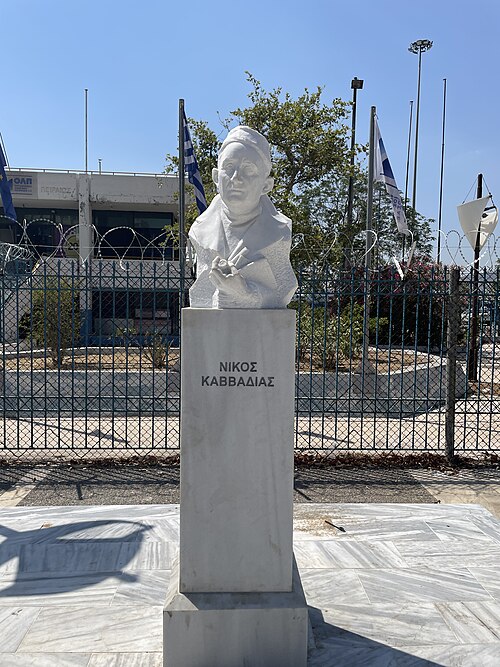
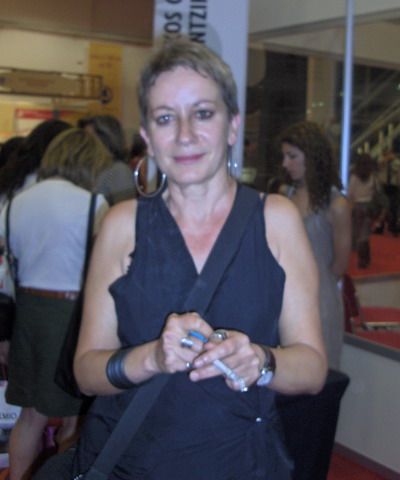
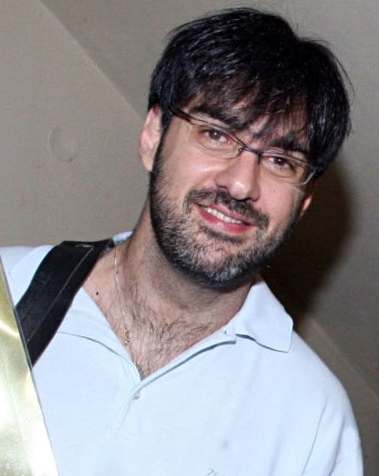
Karkalou, 1984, follows an older man and a young taxi driver through a story that resists a simple realistic explanation. Charlotte van Gelder shares its screenplay credit with Tornes. Danilo Treles, 1986, and A Heron for Germany, dated 1987 in the festival filmography, continued his personal approach. His television documentary about Nikos Kavvadias, first broadcast by ERT on 19 May 1982, brings Greek poetry into his own voice alongside images of Piraeus and the sea. His career also crossed languages and countries; each film has its particular voices. The brief quotation here comes from Kaplanidis’s later recollection of a conversation during the filming of Danilo Treles. It keeps a small human exchange within this larger cinematic history.
Legacy in Greece today
Tornes widened the possibilities of Greek cinema by joining daily experience with imaginative freedom. His films invite attention to encounters, places and voices beyond a polished production surface. His Kavvadias documentary also offers a specific meeting of Greek poetry and moving images.
Kaplanidis recalls him asking a Greek learner «Τι έμαθες σήμερα;». Use that question for your own cinema vocabulary diary. Start with πλάνο from this page and the model «Πριν δεν ήξερα τη λέξη πλάνο. Σήμερα την έμαθα. Τώρα ξέρω τι σημαίνει». Write an original sentence using the word, then tell a partner what you learned. At week’s end, review the words you actually used. B1 describes this supported Modern Greek activity, connecting past learning with present knowledge.
Did you know?
- He co-directed Theraic Dawn with Kostas Sfikas in 1967.
- Karkalou’s screenplay credits Tornes and Charlotte van Gelder.
- ERT first broadcast his Kavvadias documentary on 19 May 1982.
Key works
| Greek title | Title | Year |
|---|---|---|
| Θηραϊκός όρθρος — συν-σκηνοθεσία | Theraic Dawn — co-direction | 1967 |
| Κοάτι | Coatti | 1977 |
| Μπαλαμός | Balamos | 1982 |
| Καρκαλού | Karkalou | 1984 |
| Ντανίλο Τρέλες: Ο φημισμένος ανδαλουσιανός μουσικός | Danilo Treles: The Famous Andalusian Musician | 1986 |
| Ένας ερωδιός για τη Γερμανία | A Heron for Germany | 1987 |
A line to remember
Τι έμαθες σήμερα;
Ti émathes símera?
What did you learn today?