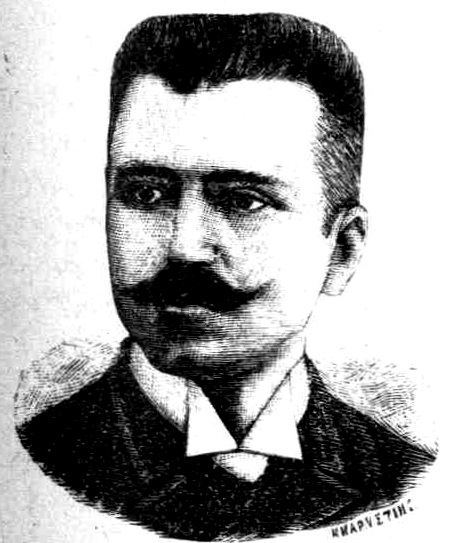
Life
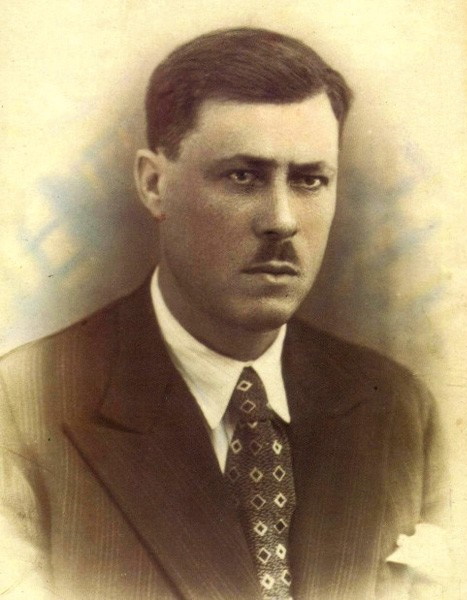
Kontoglou was born in November 1895 in Ayvalık, which Greeks call Αϊβαλί or Κυδωνίες, a prosperous Greek town on the Aegean coast of Asia Minor, opposite Lesbos. He grew up among sailors, monks and fishermen whose stories he would later tell. He studied at the School of Fine Arts in Athens in 1913–1914 and then travelled; until 1919 he lived mostly in Paris and wandered through Europe, and in Paris, in 1918, he wrote his first book. He went back to Ayvalık, but in 1922, with the Asia Minor Catastrophe, the Greek population of the town was driven out, and Kontoglou came to Greece as a refugee, like more than a million others.
In 1923 he went to Mount Athos, where he studied and copied the old icons and wall paintings of the monasteries. That experience decided his life. In Athens he worked as a conservator of icons and painted for churches. In 1926 he married Maria Chatzikambouri, and they had a daughter. Between 1937 and 1939 he painted large murals in Athens City Hall, helped by two young students who would become famous painters, Giannis Tsarouchis and Nikos Engonopoulos. For the rest of his life he painted icons and frescoes in churches, wrote books and articles, and taught younger painters. He died in Athens in July 1965.
Works

Kontoglou's great cause was Byzantine painting. In the nineteenth century Greek churches had filled with icons in a sweet, realistic Western style, and the old Byzantine way of painting, with gold backgrounds, flat bright colours, long figures and calm, large eyes, was considered primitive. Kontoglou believed the opposite: that the Byzantine icon was a spiritual art of the highest kind, and the true artistic tradition of the Greeks. He learned its techniques from the old painters' manuals and from the monasteries, and he painted in that way all his life. His wall paintings in the small Byzantine church of Kapnikarea, in the middle of Ermou Street in Athens, are the easiest to see. In 1960 he published Έκφρασις της ορθοδόξου εικονογραφίας (Expression of Orthodox Iconography), a handbook of icon painting still used today, which won an award of the Academy of Athens in 1961.
He was also a fine writer. Πέδρο Καζάς (Pedro Cazas, written in 1918 and printed in 1920) is a short adventure story about a Spanish sailor and pirate, written in a rich, old-fashioned demotic. His later books gather stories of sailors, monks, saints and travellers, told in the voice of a storyteller. Αϊβαλί, η πατρίδα μου (Aivali, My Homeland, 1962) remembers the people and places of the town he lost in 1922. Both as painter and as writer, Kontoglou looked for the roots of Greek culture in Byzantium and in the life of the ordinary people, not in imitation of the West, an idea that strongly influenced the Generation of the Thirties.
Legacy in Greece today
To see Kontoglou's work, step into the church of Kapnikarea on Ermou Street, the main shopping street of Athens, and look at the wall paintings; or visit Athens City Hall on Kotzia Square, where his murals still decorate the interior. His icons are in churches all over Greece, and the National Gallery and the Byzantine and Christian Museum hold his paintings. Many of today's icon painters see themselves as his heirs, and the style he revived is now the normal style of new Greek churches. His books are still in print, and Αϊβαλί, η πατρίδα μου is read by the descendants of the refugees of 1922 as a portrait of a lost world.
Did you know?
- He came to Greece as a refugee from Ayvalık after the Asia Minor Catastrophe of 1922.
- His students and assistants at Athens City Hall included Giannis Tsarouchis and Nikos Engonopoulos, two of the great Greek painters of the twentieth century.
- His first book, Pedro Cazas (printed 1920), is a pirate story about a Spanish sailor.
- The Byzantine style of icon painting he revived is today the usual style in new Greek churches.
Key works
| Greek title | Title | Year |
|---|---|---|
| Πέδρο Καζάς | Pedro Cazas (novella) | 1920 |
| Τοιχογραφίες στο Δημαρχείο της Αθήνας | Murals in Athens City Hall | 1937–1939 |
| Τοιχογραφίες στην Καπνικαρέα | Wall paintings in the church of Kapnikarea, Athens | 1940s–1950s |
| Έκφρασις της ορθοδόξου εικονογραφίας | Expression of Orthodox Iconography (handbook) | 1960 |
| Αϊβαλί, η πατρίδα μου | Aivali, My Homeland (memoir) | 1962 |
From the works

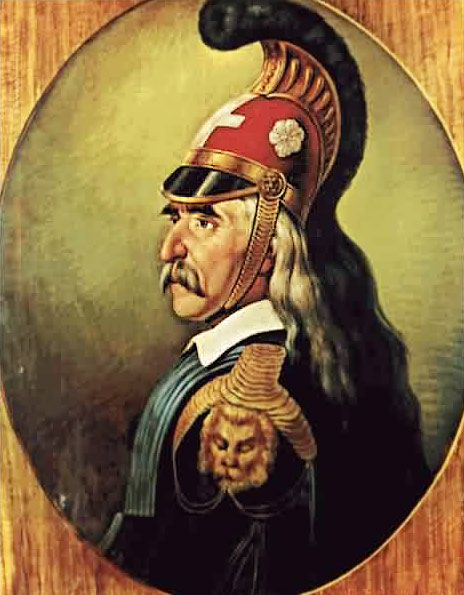
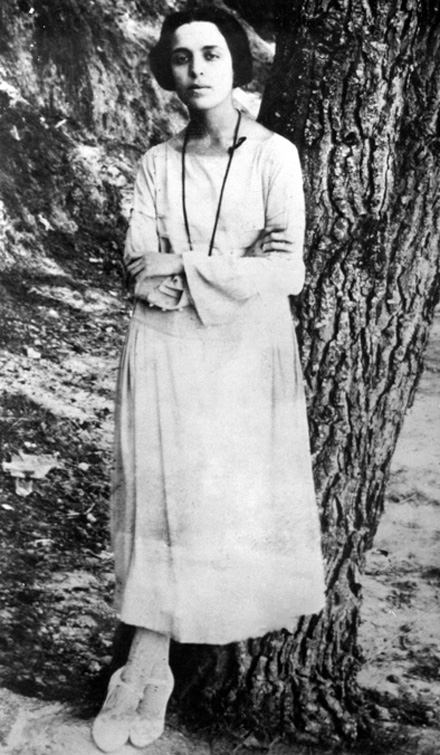
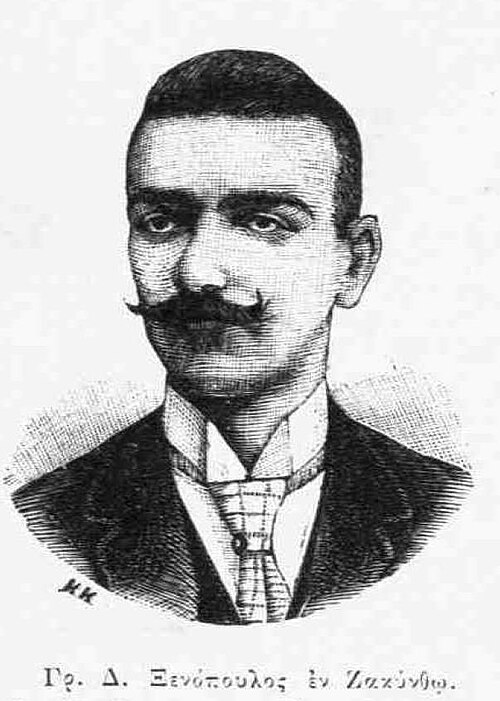
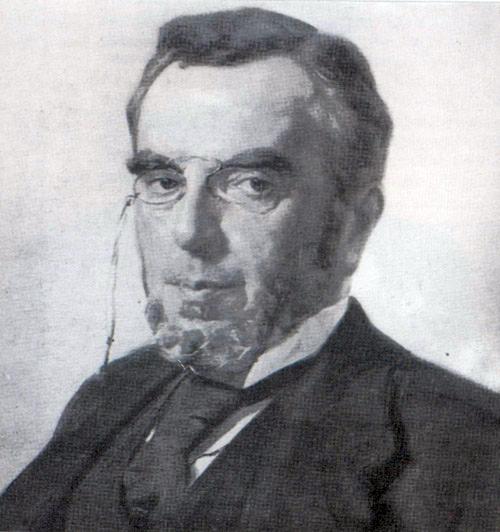
Public-domain pictures from Wikimedia Commons.
A line to remember
Αϊβαλί, η πατρίδα μου
Aivali, i patrida mou
Aivali, my homeland