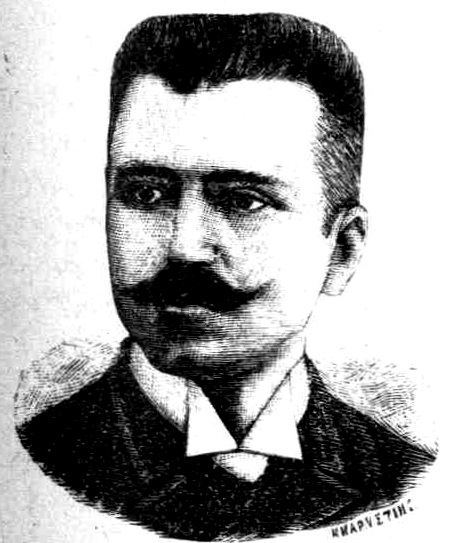
Life
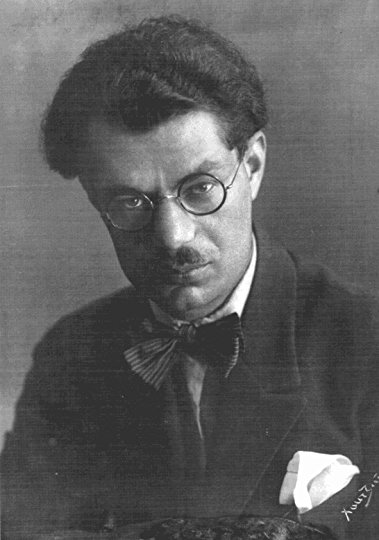
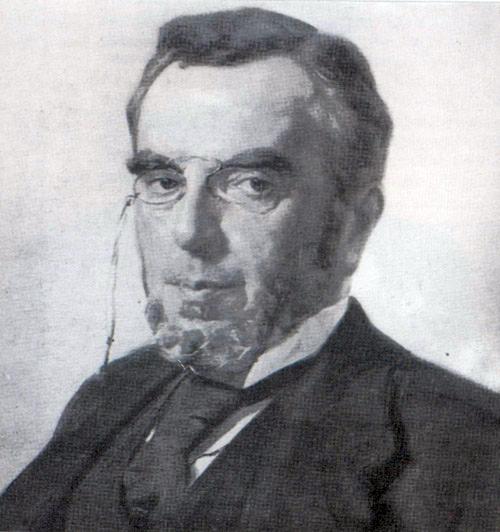
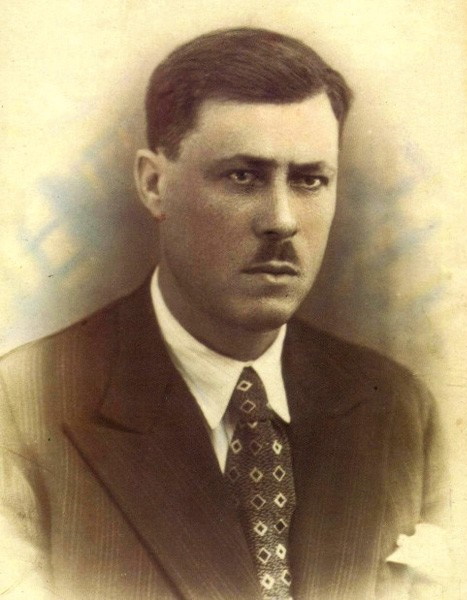
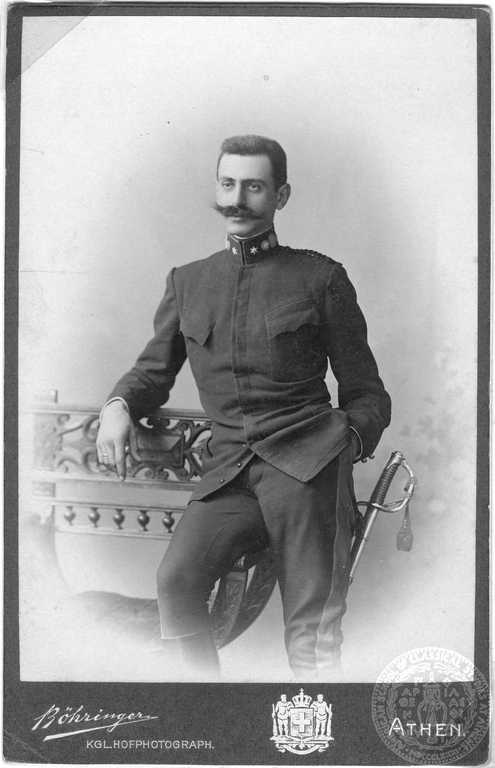
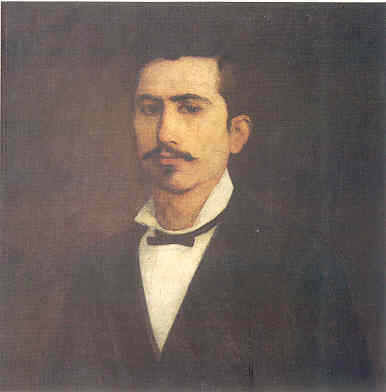
Eginitis was born in Athens in 1862. After the Varvakeio school he studied mathematics at the University of Athens, and the state then sent him to Paris to specialise in astronomy, at a time when France was one of the great centres of the science. In 1890 he returned to Greece to become director of the National Observatory of Athens (Εθνικό Αστεροσκοπείο Αθηνών), and from 1896 he was also professor of astronomy and meteorology at the University. He held the post of director for more than four decades.
The Observatory had been founded in 1842 thanks to a donation by the banker Georgios Sinas, in an elegant building by the Danish architect Theophil Hansen near the Acropolis. When Eginitis arrived it had few instruments and little activity. He reorganised it from top to bottom, found money from donors and from the state, brought new telescopes and equipment, and created new departments.
He was also active in public life. He served twice as minister of education, in 1917 and in 1926, wrote articles and popular books on astronomy and the climate of Greece, and pressed the state for decades to reform the calendar. In 1926 he became one of the first members of the Academy of Athens (Ακαδημία Αθηνών), which he served as president in 1929 and as general secretary until 1933. He died in Athens on 14 March 1934.
Works

Eginitis's great achievement was to give Greece a scientific infrastructure. Under him the Observatory began systematic meteorological observations across the country, the basis of the later national weather service, and he studied and wrote about the climate of Athens and of Greece. He also organised a seismological service, essential in one of the most earthquake-prone countries of Europe, so that tremors could be recorded and studied rather than only feared. In astronomy itself he modernised the instruments and placed Greece in contact with the international scientific community.
His most visible legacy in everyday life is the calendar. Until 1923 Greece still used the old Julian calendar, which by then was thirteen days behind the Gregorian calendar used in Western Europe. This created endless confusion in trade, diplomacy and science. Eginitis argued for years that the country should change, and in 1923 the state finally did: the day after 15 February 1923 was declared to be 1 March. The following year the Church of Greece adopted a revised calendar for fixed feasts, while keeping the traditional date of Easter. A minority of believers refused the change and still follow the «old calendar» today; they are called παλαιοημερολογίτες (Old Calendarists).
Legacy in Greece today
The National Observatory of Athens is today one of Greece's leading research centres, with institutes for astronomy, geodynamics and environmental research, and its meteorological stations are still part of the daily weather reports that Greeks hear on the news. The old building on the Hill of the Nymphs, opposite the Acropolis, houses a museum and a visitor centre, where you can look through a historic telescope at night. Every time a Greek speaks of the «new calendar» (νέο ημερολόγιο) or the «old calendar» (παλαιό ημερολόγιο), they are speaking about a change Eginitis fought for. Streets in Athens and other towns carry his name.
Did you know?
- He directed the National Observatory of Athens for more than forty years, from 1890 until his death.
- In Greece, 15 February 1923 was followed directly by 1 March 1923.
- He was a member of the Academy of Athens from its first year, 1926, and its president in 1929.
- He also organised early earthquake recording in Greece, one of Europe's most seismic countries.
Key works
| Greek title | Title | Year |
|---|---|---|
| Διευθυντής του Εθνικού Αστεροσκοπείου | Director of the National Observatory of Athens | 1890 |
| Καθηγητής Αστρονομίας και Μετεωρολογίας στο Πανεπιστήμιο Αθηνών | Professor of Astronomy and Meteorology, University of Athens | 1896 |
| Δίκτυα μετεωρολογικών και σεισμολογικών σταθμών | National networks of weather and earthquake stations | from the 1890s |
| Το νέο (Γρηγοριανό) ημερολόγιο | The new (Gregorian) calendar | 1923 |
| Μέλος και πρόεδρος της Ακαδημίας Αθηνών | Member (1926) and president (1929) of the Academy of Athens | 1926–1929 |
From the works


Public-domain pictures from Wikimedia Commons.
A line to remember
Νέο ημερολόγιο
Neo imerologio
The new calendar