Life
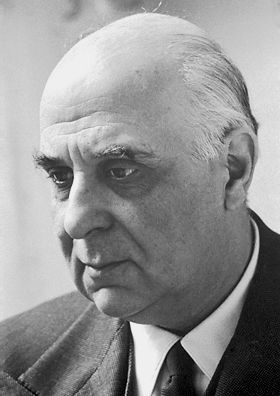
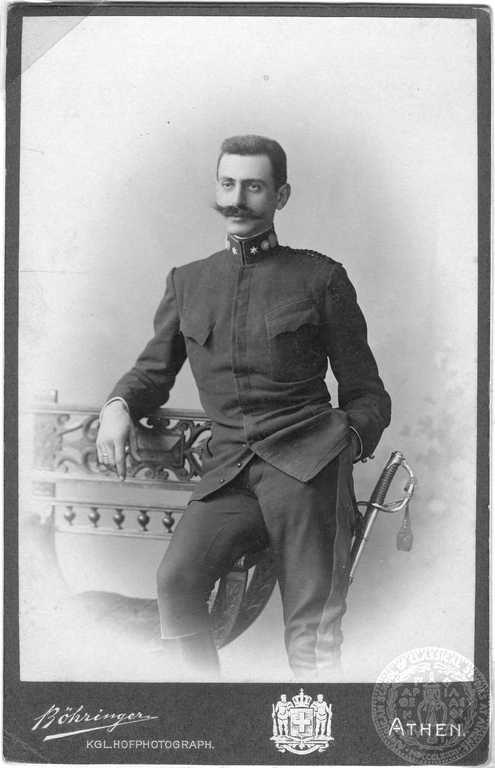
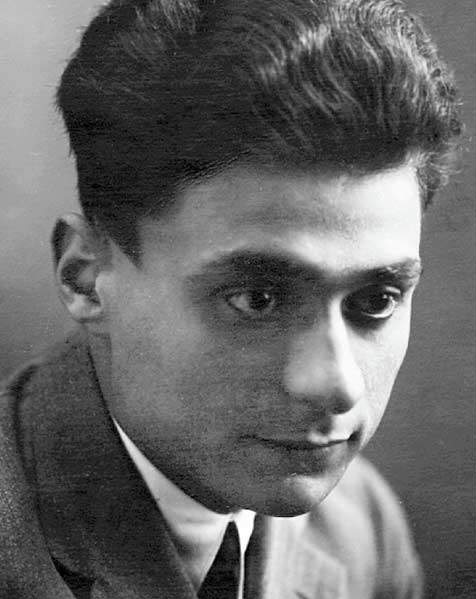
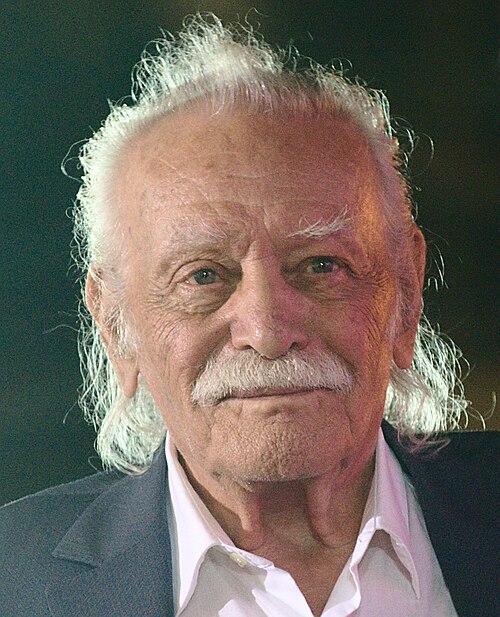
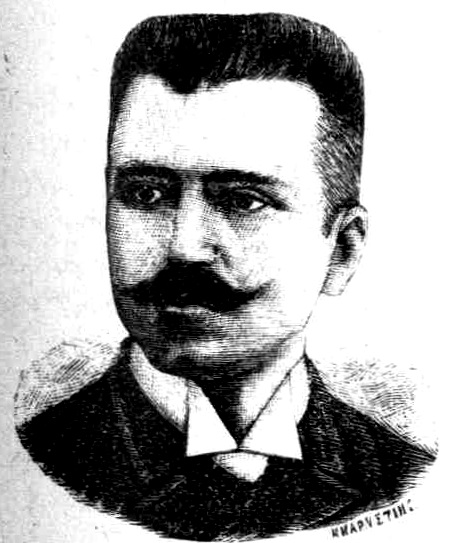
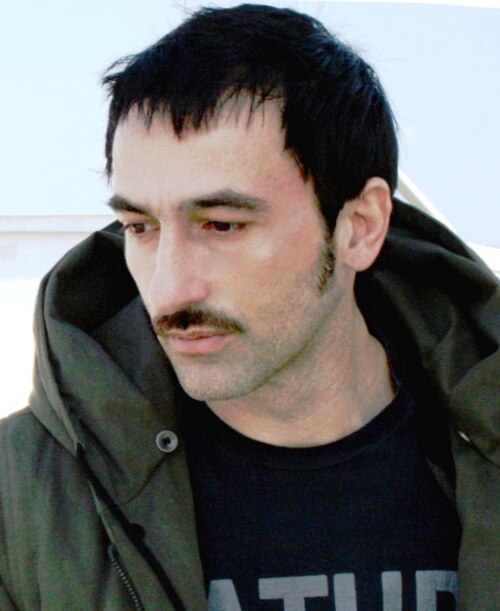
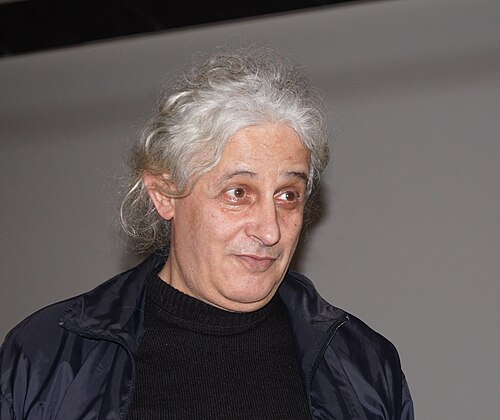
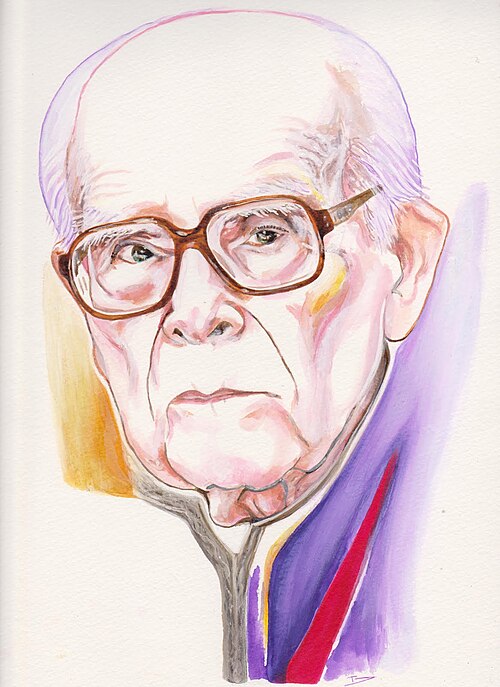
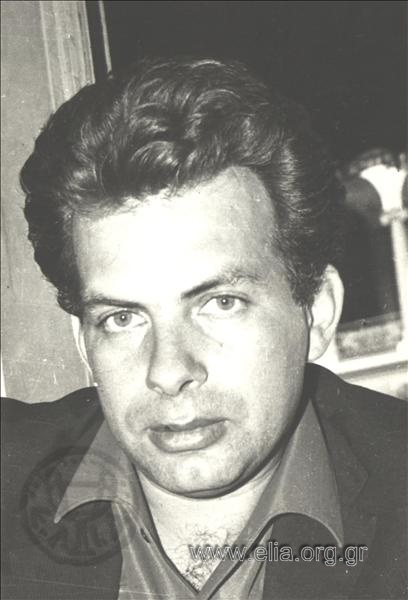
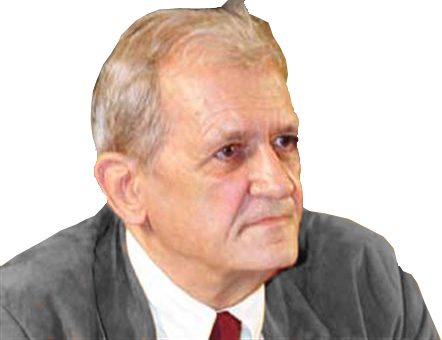
Titos Patrikios was born in Athens in 1928. After finishing school in 1946, he entered the University of Athens law faculty and later worked as a lawyer. During the German Occupation he participated in the Resistance. In the early postwar years he experienced internal exile on Makronisos in 1951–1952 and Agios Efstratios in 1952–1953. These historical experiences became part of a long poetic reflection.
A poem appeared in a youth magazine in 1943, before his first collection, Χωματόδρομος (Dirt Road), in 1954. That year he helped found Επιθεώρηση Τέχνης (Art Review). He studied sociology in Paris from 1959 to 1964. After the dictatorship was imposed in 1967 he worked abroad, including at UNESCO in Paris and the FAO in Rome. He returned to Greece in 1975 and continued as a lawyer, sociologist and literary translator.
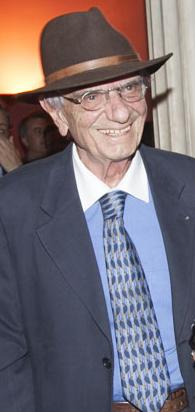
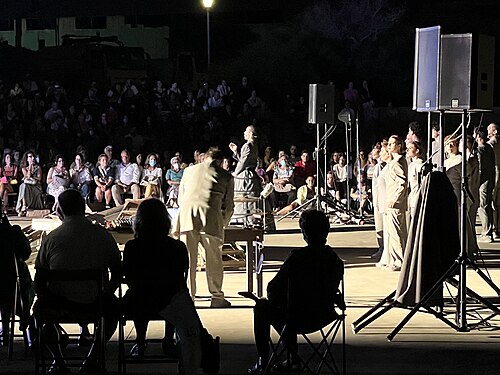
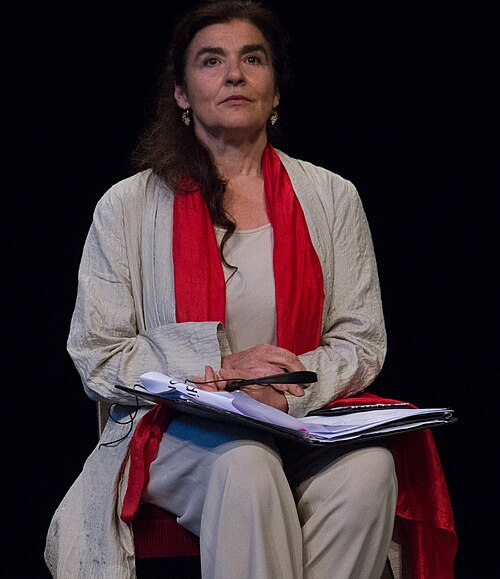
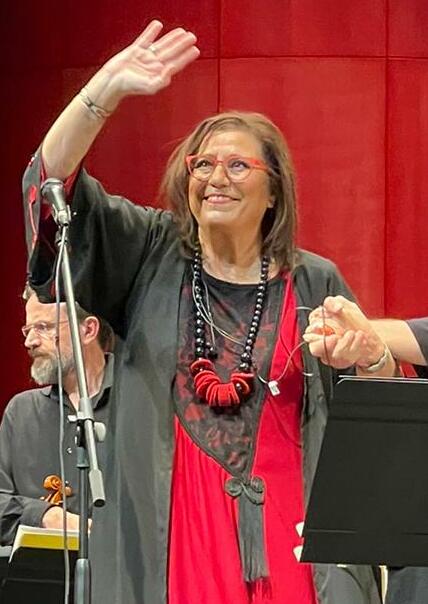
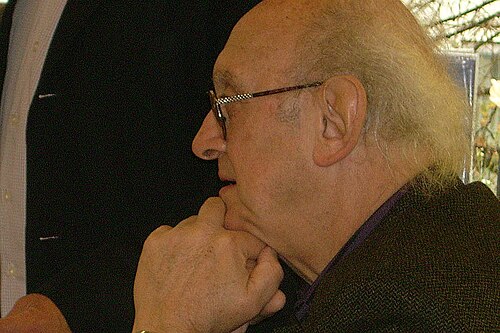
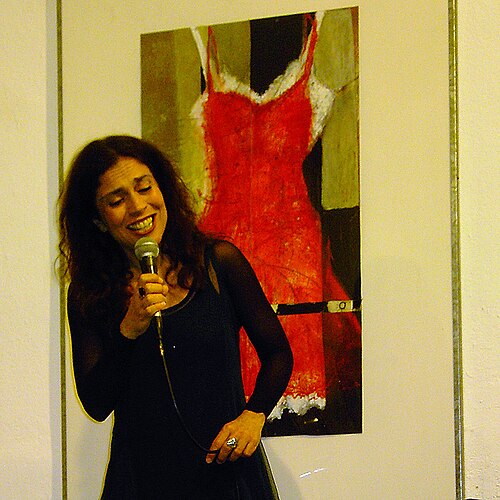
He received the State Special Literature Prize in 1994 and became an honorary member of the Academy of Athens in 2025. His 2025 essay collection Διαδρομές και διασταυρώσεις (Routes and Crossings) gathers writing from 1977–2023. At a public conversation in Athens on 1 October 2026, he discussed experience, poetry and the need to live actively in the present.
Works

Patrikios belongs to the first postwar generation of Greek poets. His writing brings historical events into contact with individual judgement, doubt and everyday observation. Χωματόδρομος (Dirt Road, 1954), Μαθητεία (Apprenticeship, 1963) and Προαιρετική στάση (Optional Stop, 1975) mark stages in this sustained engagement. His work as a literary translator also placed Greek writing in conversation with other European literatures.
Σε βρίσκει η ποίηση (Poetry Finds You, 2012) develops a composition in nine sections. The first eight begin with Εκεί που, a phrase that can introduce a place or a moment in an unfolding experience. The final section changes the opening. The movement takes poetry through private and public life, remembered events and the situations in which a thought unexpectedly returns. Repetition gives the reader a recognisable structure without making the experiences identical.
Ο δρόμος και πάλι (The Road Again, 2020) contains eleven new poems written during the quarantine period. Their attention to daily experience continues his reflective use of familiar speech. The essays in Διαδρομές και διασταυρώσεις (Routes and Crossings, 2025) extend the conversation to literature, translation and cultural change. The dates 1977–2023 describe the collected writings, while 2025 is the book’s publication year.
Legacy in Greece today
Patrikios shows how Greek poetry can turn an ordinary interruption into a question about experience. His repeated openings in Σε βρίσκει η ποίηση offer a useful bridge between literature and everyday language. Read the adapted Modern Greek passage, then compare its two original examples of εκεί που. Decide which answers πού; and which answers πότε;. Write one sentence locating a book and another describing a moment when a thought interrupted an ordinary activity. Keep the Greek expression and change the rest of the sentence. This small exercise practises place, time and past narration; the original poetic composition can be explored with further support.
Did you know?
- Born in Athens in 1928; poet, essayist and literary translator.
- Received the State Special Literature Prize in 1994 and honorary Academy of Athens membership in 2025.
- Σε βρίσκει η ποίηση (Poetry Finds You, 2012) has nine sections; the first eight share an opening phrase.
Key works
| Greek title | Title | Year |
|---|---|---|
| Χωματόδρομος | Dirt Road | 1954 |
| Μαθητεία | Apprenticeship | 1963 |
| Προαιρετική στάση | Optional Stop | 1975 |
| Σε βρίσκει η ποίηση | Poetry Finds You | 2012 |
| Ο δρόμος και πάλι | The Road Again | 2020 |
| Διαδρομές και διασταυρώσεις | Routes and Crossings — essays, 1977–2023 | 2025 |
A line to remember
Η ζωή είναι στο παρόν.
I zoí eínai sto parón.
Life is in the present.