Life
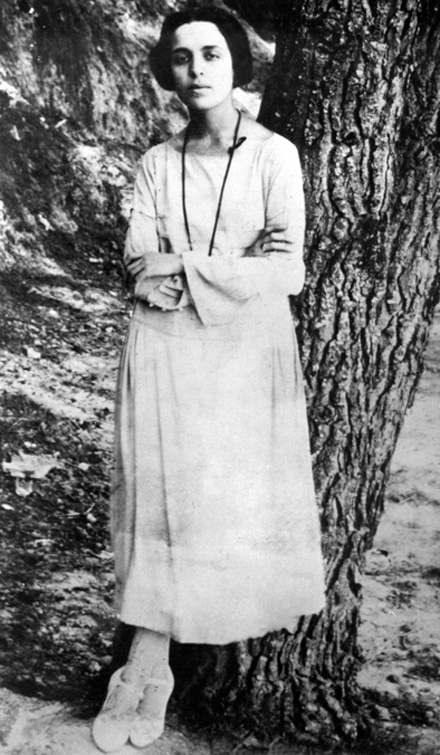
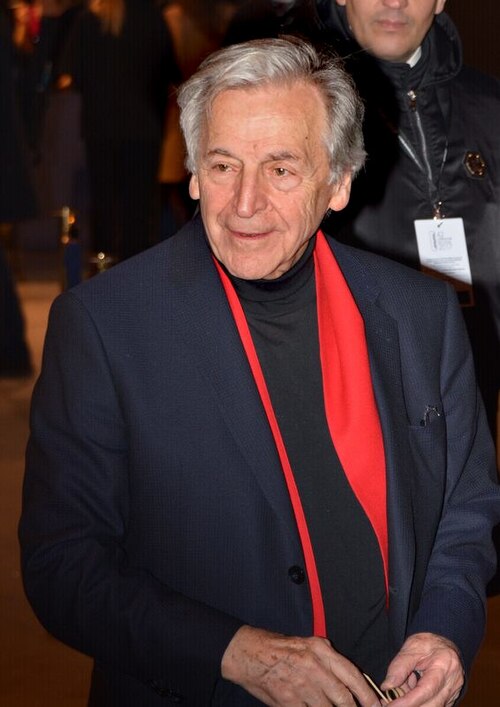
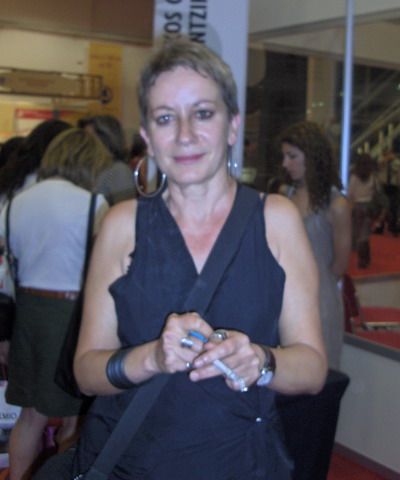
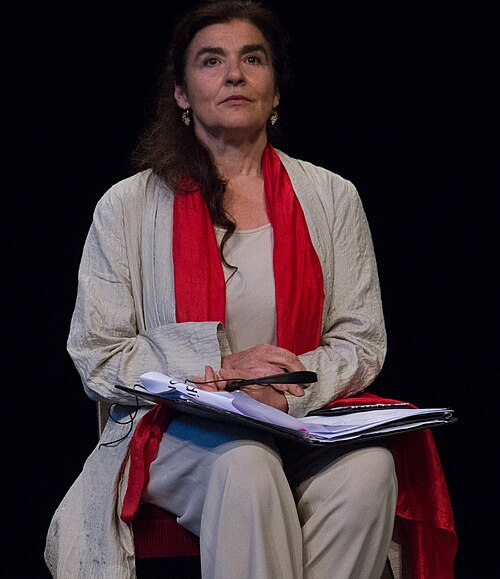
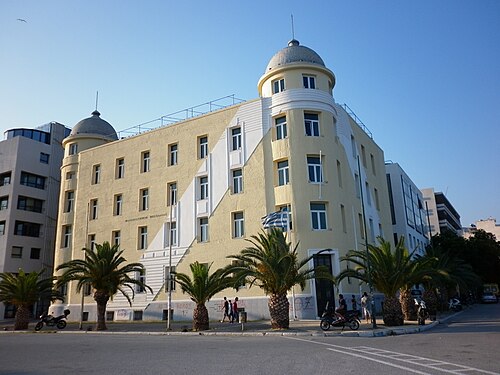
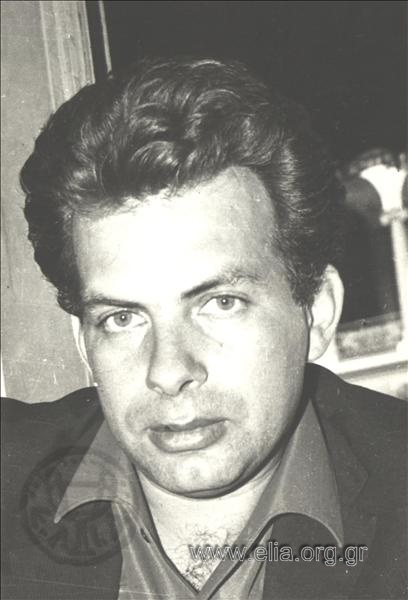
Tsangari studied literature, philosophy and drama at Aristotle University in Thessaloniki, then performance studies in New York and filmmaking at the University of Texas at Austin. In the United States she encountered independent cinema, including a small acting part in Richard Linklater’s Slacker. She co-founded the Cinematexas short-film festival and made her first feature, The Slow Business of Going, as a thesis project. Travel, performance and collaboration were part of this formation, which connected Greek studies with an American independent-film community.
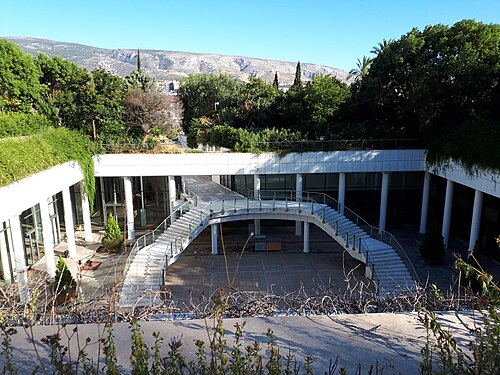
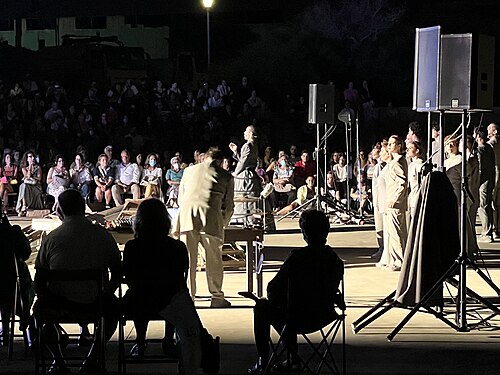
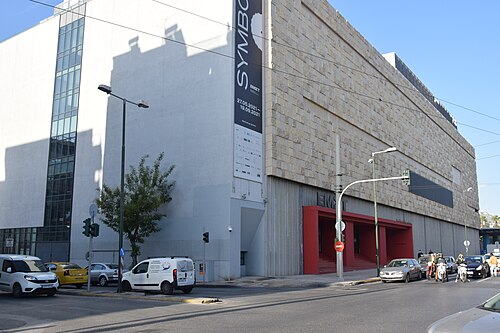
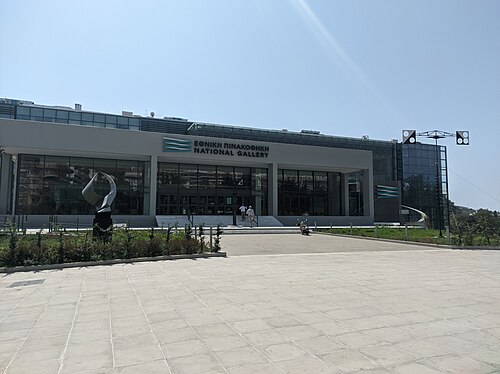
She returned to Greece and founded the Athens production company Haos Film in 2005. Her producing work included Yorgos Lanthimos’s Kinetta, an associate-producer credit on Dogtooth and work on Alps. This network shared skills and resources across films rather than dividing directing from production into separate worlds. She also designed projections and directed video for the opening and closing ceremonies of the 2004 Athens Olympics. In 2009, her Reflections brought animated, site-specific projections to the inauguration of the Acropolis Museum. Her later career extended into teaching and international festival juries. The movement between film sets, performance and public installations helps explain why bodies, spaces and collective activity matter so much in her own directing.
Works

In Attenberg (2010), Marina lives in a small industrial town by the sea, watches animal documentaries and faces her father’s illness. Friendship, desire and bodily imitation shape a coming-of-age story whose humour often grows from uncomfortable encounters. Ariane Labed won the acting Coppa Volpi at the film’s Venice premiere. The Capsule (2012), commissioned for the DESTE Foundation’s fashion collection, brings seven young women into a choreographed world of discipline and desire. It joins cinema, costume and visual art through repeated gestures and striking group arrangements.
Chevalier (2015), co-written with Efthimis Filippou, moves to six men aboard a yacht. Their competition to decide who is best turns ordinary habits into tests of status. The film premiered at Locarno and won Best Film at the BFI London Film Festival. Both Attenberg and Chevalier are Greek-language films. Harvest, which premiered at Venice in 2024, adapts Jim Crace’s novel about a rural community threatened by changes in land ownership and outsiders. Shot in Scotland, it is primarily in English, with some French. Across these different settings, Tsangari makes group rules visible through movement, pauses, competition and the space between people. A gesture can complicate what a character says.
Legacy in Greece today
Tsangari’s contribution to Greek cinema includes both her own films and the production relationships that helped other filmmakers work. Her 2018 ARTWORKS masterclass in Athens also records her exchange with a younger generation about filmmaking and production. Her films connect a Greek cultural background with several languages and international collaborators.
Read the supported Greek passage, then choose a still or a short subtitled excerpt from Attenberg or Chevalier. Write one sentence about a movement and another about what you hear. Link three observations with πρώτα, μετά and στο τέλος. Compare visible action with dialogue before proposing an interpretation. The B1 exercise supports a small description task; a whole film will require more help.
Did you know?
- She co-founded the Cinematexas short-film festival in Austin.
- She created projections for the Acropolis Museum’s inauguration in 2009.
- Chevalier won the 2015 BFI London Film Festival’s Best Film award.
Key works
| Greek title | Title | Year |
|---|---|---|
| Attenberg | Attenberg: feature film | 2010 |
| The Capsule | The Capsule: experimental film | 2012 |
| Chevalier | Chevalier (Knight): comedy | 2015 |
| Harvest | Harvest: feature film, Venice premiere | 2024 |
A line to remember
Αφήνω τα πράγματα ανοιχτά, κάθε θεατής ξεχωριστά μπορεί να δώσει τη δική του ερμηνεία
Afíno ta prágmata anoichtá, káthe theatís xechoristá boreí na dósei ti dikí tou ermineía
I leave things open; each individual viewer can offer their own interpretation.