Life
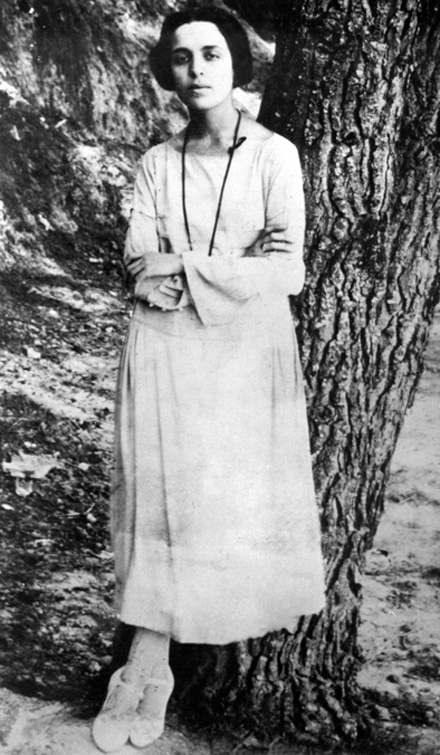
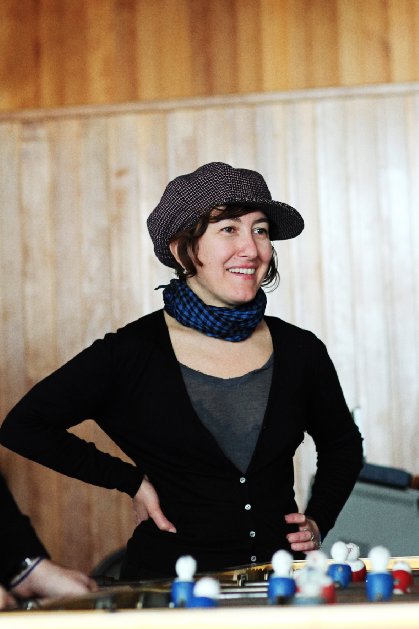
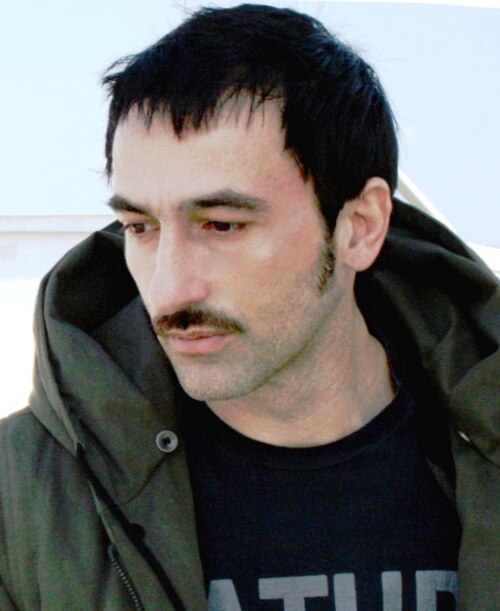
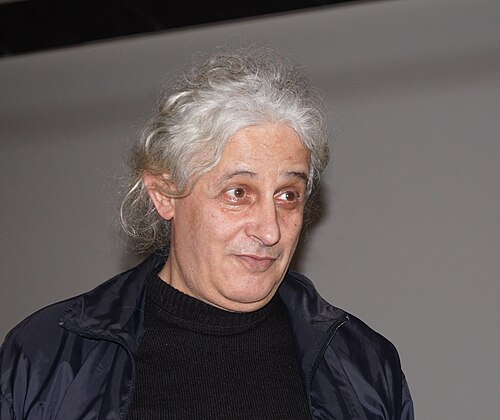
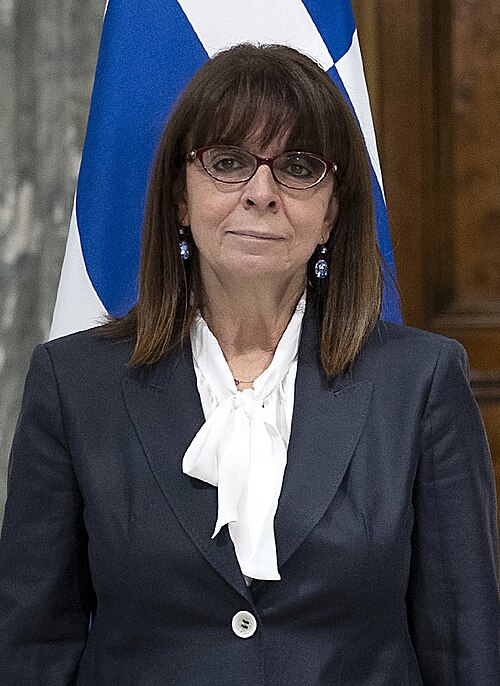
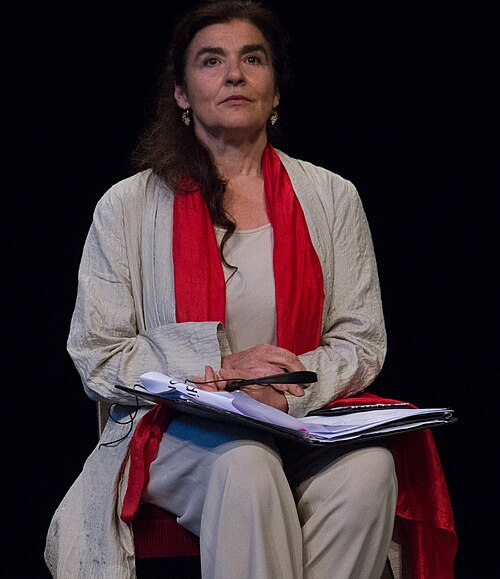
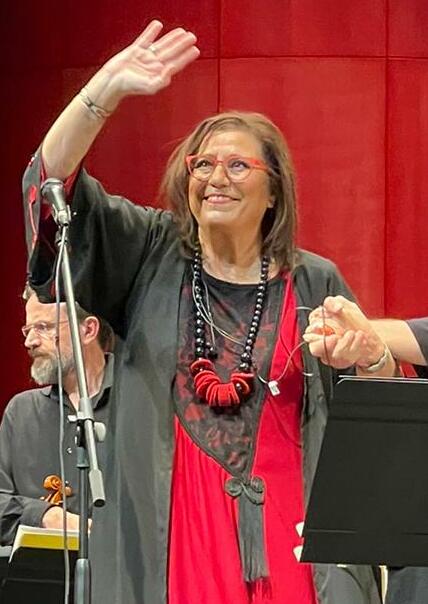
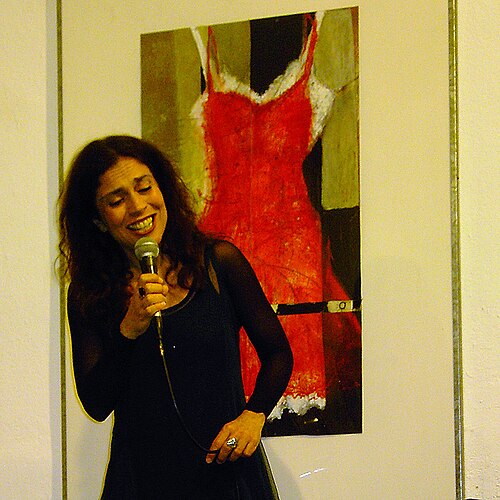
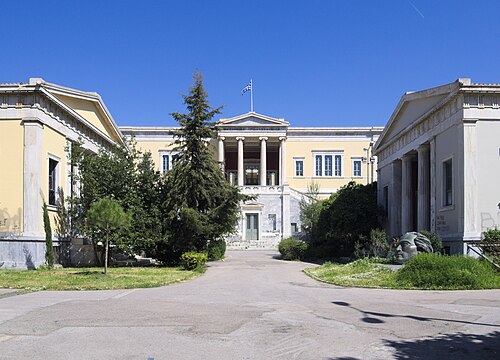
Antoinetta Angelidi studied architecture at the National Technical University of Athens, graduating in 1973. She then moved to Paris and studied directing and editing at IDHEC, alongside film theory with Christian Metz. Her route into cinema joined an earlier engagement with painting to questions about how lines, axes and arrangements create meaning. In a later interview, she described discovering a continuity between painting, architecture and film.
Her first feature appeared in 1977. Working across film and visual art, she developed a feminist experimental practice in which images and sounds need not obey a conventional plot. Dream mechanisms offered a method for composing material rather than merely a subject to illustrate. Painting, objects, installations and performance continued beside her films, extending an investigation of space and the viewer’s position.
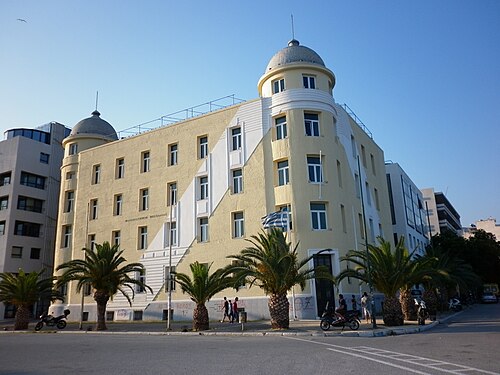
Angelidi also taught directing for years in the Film Department of Aristotle University of Thessaloniki. She has since retired from that post. The Thessaloniki festival honoured her overall contribution in 2005, and Prismatic Ground awarded her its Ground Glass Award in 2024. These recognitions connect a sustained artistic practice with audiences beyond Greece, while her teaching brings questions of construction, analysis and personal vision to new filmmakers.
Works

Idées Fixes / Dies Irae (1977), also known as Παραλλαγές στο ίδιο θέμα (Variations on the Same Theme), examines representations of women’s bodies in modern art. Produced in France, it uses French and Greek. Reworked images and speech sounds become part of its argument about representation, rather than a straightforward illustrated story.
Τόπος (Place, 1985) constructs a dreamlike threshold between life and death. A woman’s identity disperses among other figures, while voices and memories cross ordinary temporal boundaries. The director describes space as an active presence, giving composition and the relation between bodies particular importance. Οι ώρες – Μια τετράγωνη ταινία (The Hours – A Square Film, 1995) follows Spendo’s reconstruction of her life. Memory appears as a changing construction, with circular time set against a square organising pattern.
Κλέφτης ή η Πραγματικότητα (Thief or Reality, 2001) offers three versions of one day, shaped by different viewpoints and characters. The latter three features are Greek-language films, although understanding their experimental form requires more than recognising dialogue. Across these works, repetition, framing, sound and shifts of perspective invite an active viewer. A visible object can remain the same while its meaning changes through placement or its relation to another image.
Legacy in Greece today
Angelidi broadens Greek film culture through a feminist practice that treats images as constructed relationships. This gives learners a practical way to connect visual attention with Modern Greek description. After hearing the adapted passage, draw a rectangle on paper and place two small objects inside it. Describe one as μπροστά από the other and name a light or dark area. Move one object outside the rectangle, then explain what changed using τώρα and επειδή. Finally compare the two arrangements aloud. This small exercise follows her interest in composition without copying a film scene. It develops spatial phrases, adjective agreement and a reasoned description; it does not require understanding a complete experimental feature.
Did you know?
- Her architecture diploma dates from 1973.
- Her four features appeared in 1977, 1985, 1995 and 2001.
- The 1977 film uses French and Greek; the next three use Greek.
- Prismatic Ground honoured her in 2024.
Key works
| Greek title | Title | Year |
|---|---|---|
| Idées Fixes / Dies Irae (Παραλλαγές στο ίδιο θέμα) | Fixed Ideas / Day of Wrath (Variations on the Same Theme) | 1977 |
| Τόπος | Place | 1985 |
| Οι ώρες – Μια τετράγωνη ταινία | The Hours – A Square Film | 1995 |
| Κλέφτης ή η Πραγματικότητα | Thief or Reality | 2001 |
A line to remember
Δική μου γενέθλια γη είναι οι ταινίες μου.
Diki mou genethlia gi einai oi tainies mou.
My own native land is my films.