Life
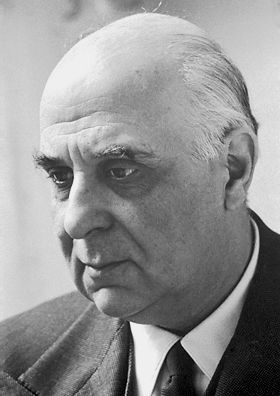
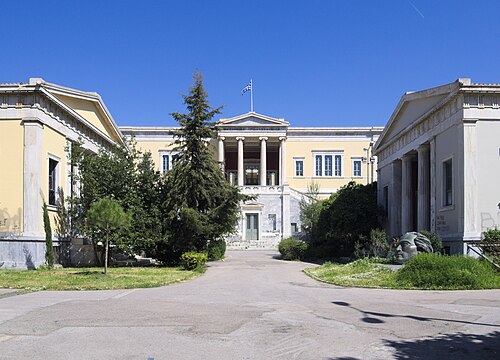
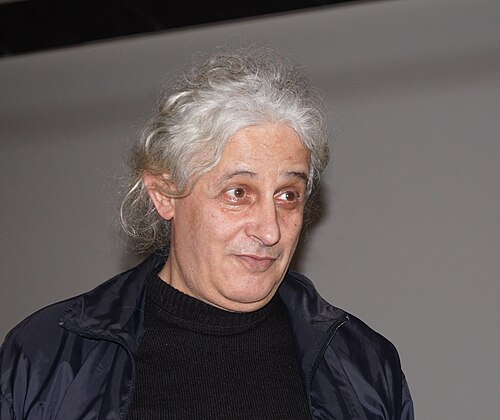
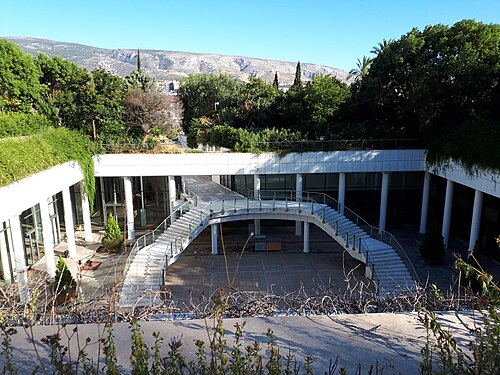
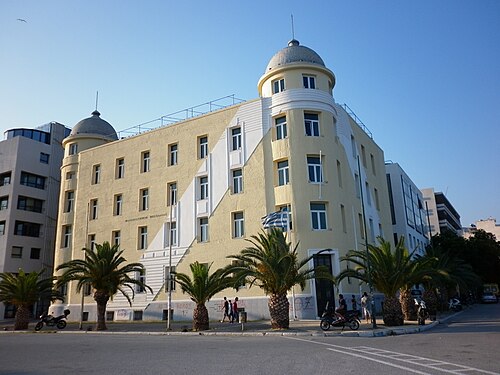
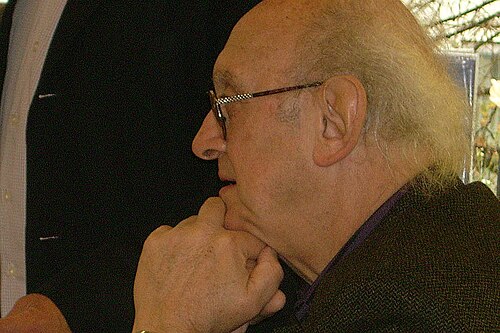
Babiniotis studied philology at the University of Athens, graduating in 1962 and completing his doctorate there in 1969. Further study at the University of Cologne from 1969 to 1971 brought him into contact with modern linguistic theory and methods of analysis. He became professor of linguistics in Athens in 1973 and held the chair until 2006. He also served as dean of the Faculty of Philosophy and as rector of the university from 2000 to 2006. Teaching and institution-building formed the setting for a career that combined research, textbooks and public explanation.
In a 2024 interview, he recalled the schoolteachers who encouraged his interest in language and the newspaper he edited as a pupil. Writing editorials and conducting interviews gave language an immediate audience before it became his academic subject. He later carried that engagement beyond university lecture rooms through newspaper articles, talks and broadcasts. Television projects included Οι λέξεις φταίνε (The Words Are to Blame), with Vicky Flessa, while his lectures also reached adult audiences through the Stoa tou Vivliou programme. Across these settings, his public role centred on explaining how Greek words work and inviting speakers to pay attention to the language they use.
Works

Λεξικό τής Νέας Ελληνικής Γλώσσας (Dictionary of Modern Greek) appeared in 1998. Definitions stand beside information about spelling, word history and related expressions, with comments on usage. The format encourages a reader to investigate an entry rather than stop at a single equivalent in another language. The 2004 Λεξικό για το σχολείο και το γραφείο (Dictionary for School and Office) addresses everyday consultation in education and work. These books belong to a larger collaborative lexicographical effort involving researchers, editors and specialist contributors.
With Christos Clairis and other collaborators, Babiniotis produced Γραμματική τής Νέας Ελληνικής (Grammar of Modern Greek), published as a complete volume in 2005. Its structural, functional and communicative approach relates grammatical forms to what speakers do with them. The Ετυμολογικό λεξικό (Etymological Dictionary), first published in 2009, follows the origins and development of words. The Λεξικό Συνωνύμων και Αντωνύμων (Dictionary of Synonyms and Antonyms), first published in 2011, explores relationships and differences between words with close or opposite meanings. Together, these reference works offer different routes into the same sentence: its structure, the history of a word and the choice that best fits a particular situation.
Legacy in Greece today
Babiniotis’s dictionaries remain part of Greece’s reference-book culture, with revised editions and digital applications for some titles. His Greek-language articles and interviews also bring questions about expression into public discussion. This makes his work a useful meeting point between a learner’s immediate question and a more detailed account of the language.
Read the graded passage and compare Η τιμή είναι δέκα ευρώ with Είναι μεγάλη τιμή για μένα. Which surrounding words point to price, and which to honour? In a dictionary, find τιμή, locate the relevant meanings and read an example before writing your own sentence. Note the headword separately from its possible inflected forms. This B1 task practises choosing a meaning from context with support, rather than reading an entire scholarly reference work independently.
Did you know?
- His main dictionary first appeared in 1998.
- He co-authored a major Modern Greek grammar with Christos Clairis and other collaborators.
- His reference books cover etymology as well as synonyms and antonyms.
Key works
| Greek title | Title | Year |
|---|---|---|
| Λεξικό τής Νέας Ελληνικής Γλώσσας | Dictionary of Modern Greek | 1998 |
| Λεξικό για το σχολείο και το γραφείο | Dictionary for School and Office | 2004 |
| Γραμματική τής Νέας Ελληνικής | Grammar of Modern Greek — with Christos Clairis and collaborators | 2005 |
| Ετυμολογικό λεξικό τής Νέας Ελληνικής Γλώσσας | Etymological Dictionary of Modern Greek | 2009 |
| Λεξικό Συνωνύμων και Αντωνύμων | Dictionary of Synonyms and Antonyms | 2011 |
A line to remember
Η γλώσσα υπηρετεί τη σκέψη.
I glóssa ypireteí ti sképsi.
Language serves thought.