Life
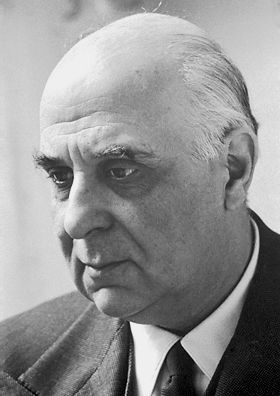
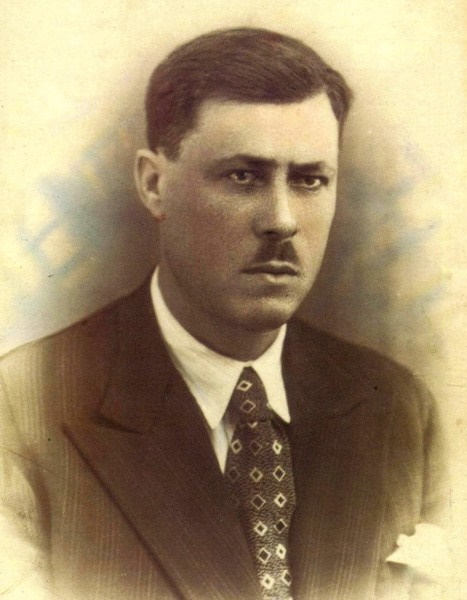
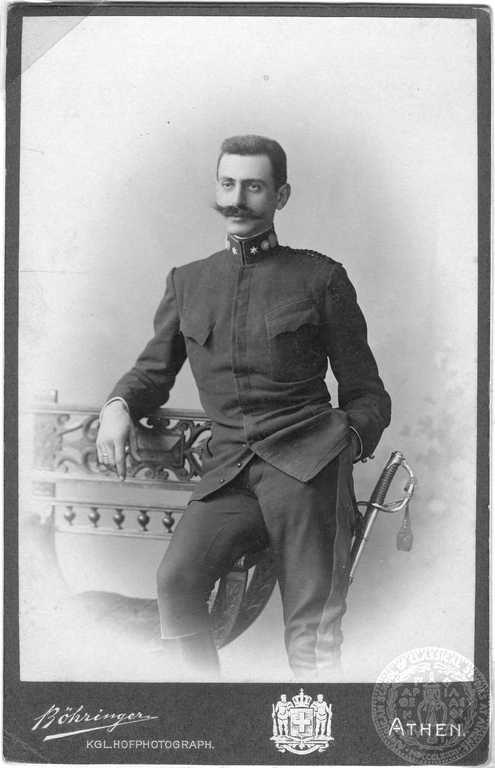
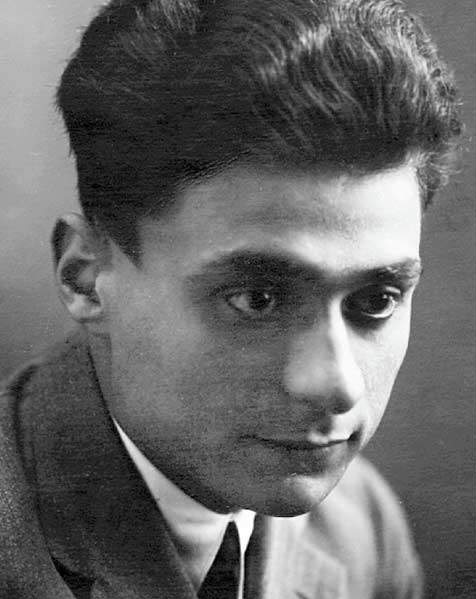
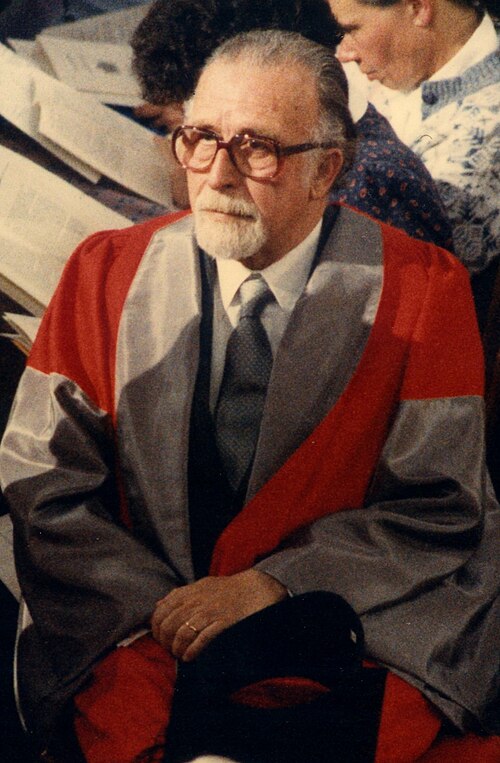
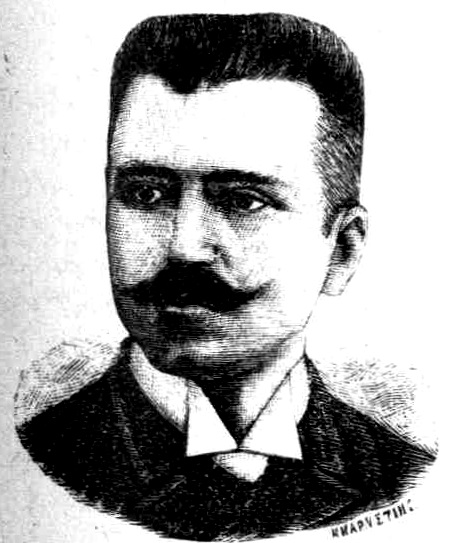
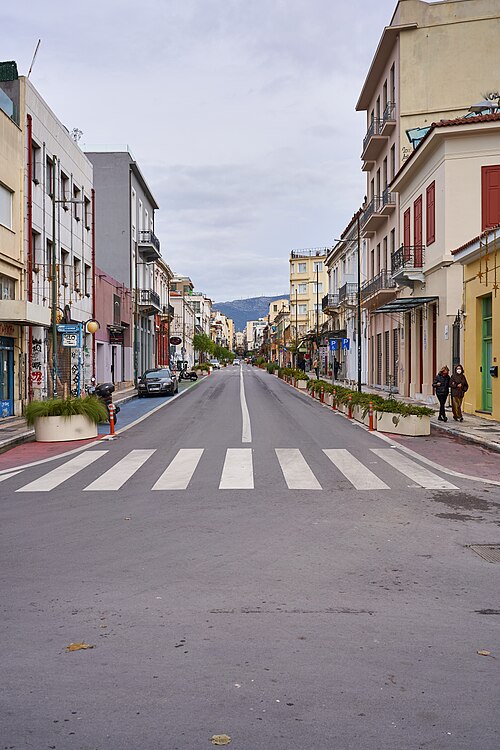
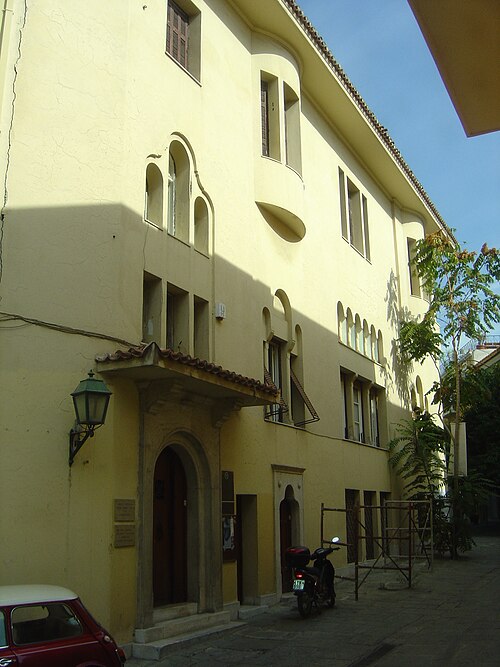
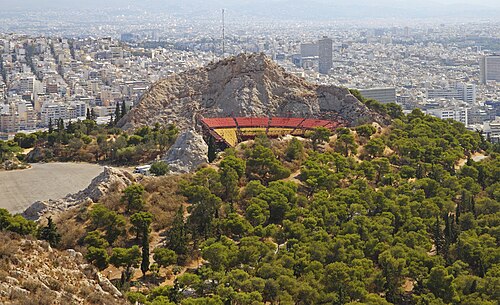
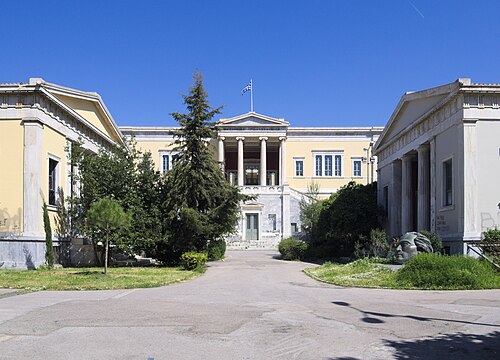
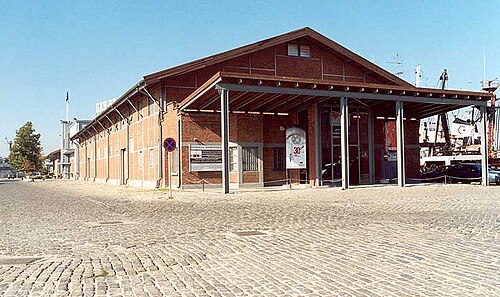
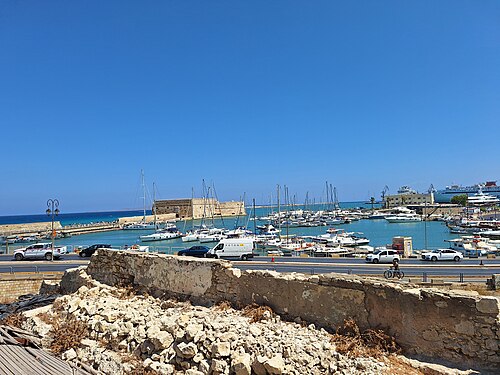
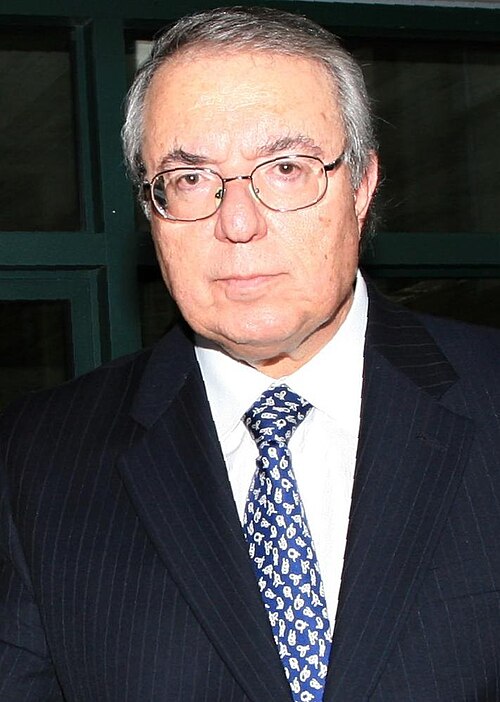
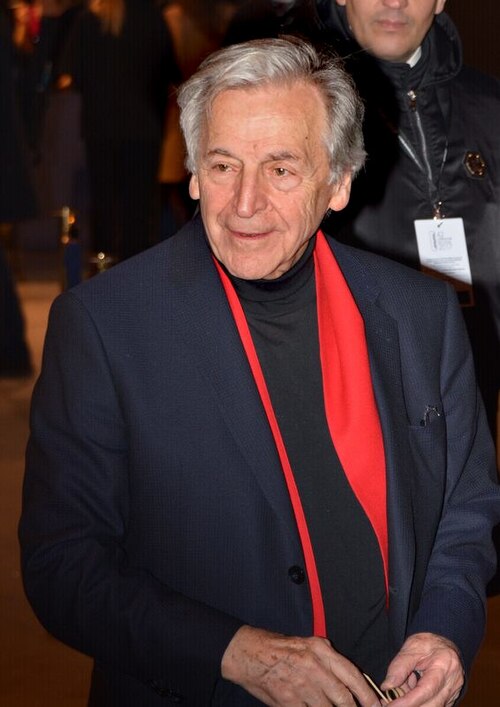
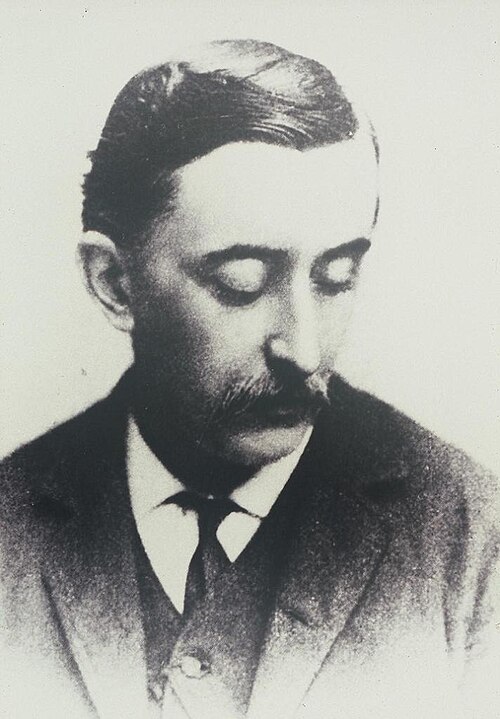
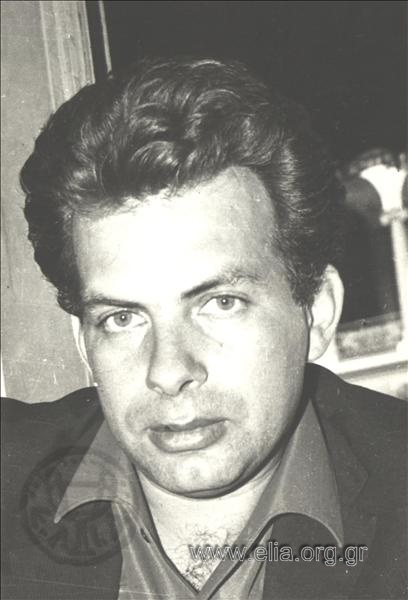
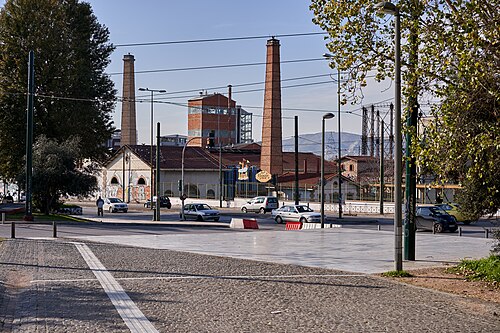
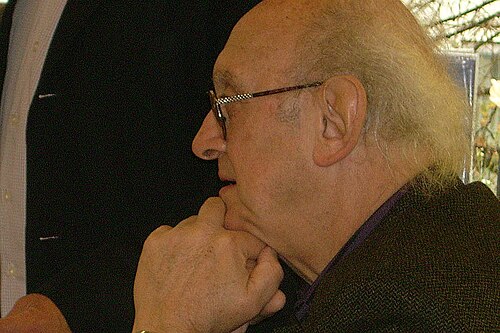
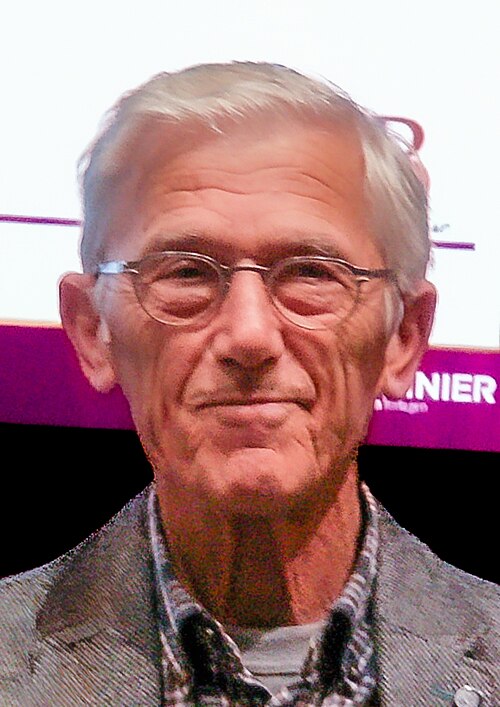
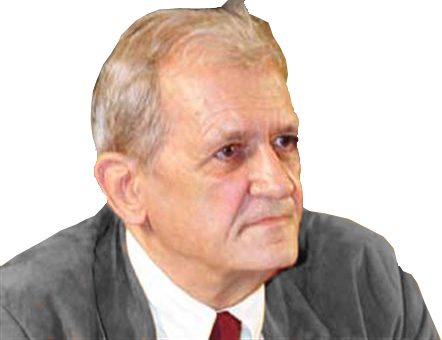
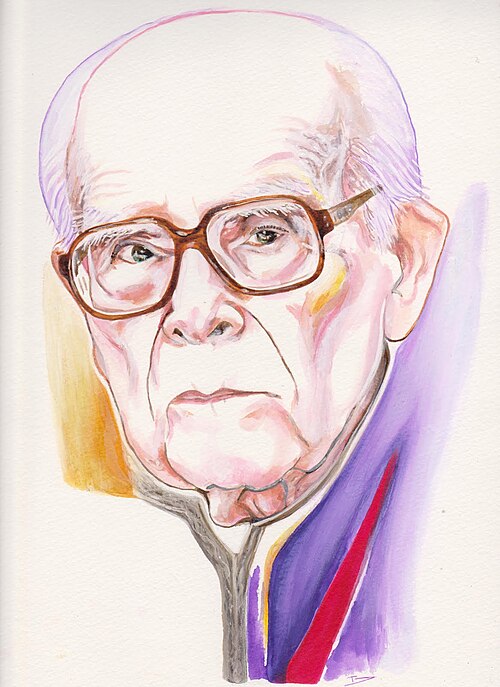
Emmanuel Kriaras, also written Emmanouil or Emmanouel Kriaras, was born in Piraeus in 1906. He spent childhood years on Milos and grew up in Chania before studying philology at the University of Athens from 1924 to 1929. Work at the Academy of Athens's Medieval Archive followed, first as a researcher and later as director. His doctorate, completed in 1938, examined the sources of Erotokritos.
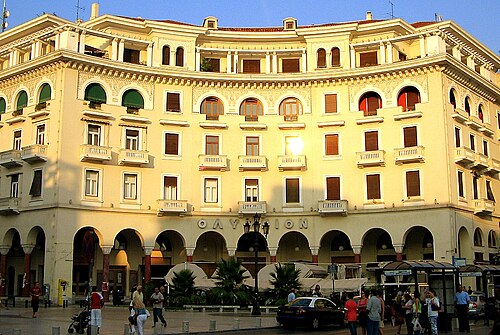
In 1950 he became professor of medieval Greek philology at the University of Thessaloniki. Teaching, literary study and the preparation of a historical dictionary developed together. The military dictatorship dismissed him from his university position in 1968. He continued his research, working with a trained team on the dictionary whose first volume appeared that same year. Fourteen volumes appeared under his direction through 1997, when the project passed to the Centre for the Greek Language.
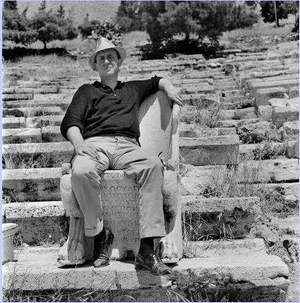
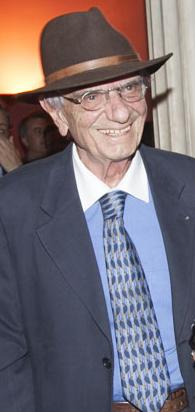
Kriaras also participated in public discussion about education and the use of demotic Greek. He supported the living language in teaching and the monotonic accent system. The Academy of Athens elected him a corresponding member in 1980. His long career continued through studies, dictionaries and memoirs until his death in Thessaloniki on 22 August 2014.
Works

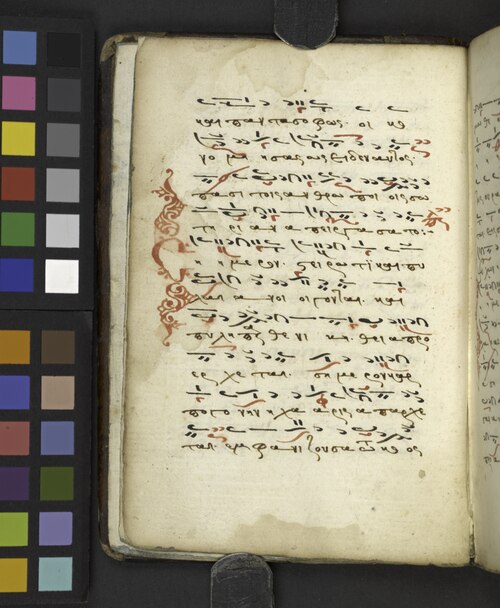
The Λεξικό της μεσαιωνικής ελληνικής δημώδους γραμματείας (Dictionary of Medieval Greek Vernacular Literature) gathers words from texts dated 1100–1669. Its first volume appeared in 1968. A headword opens onto variant forms, meanings and examples tied to named texts. This structure lets readers ask where a usage occurs and how the evidence supports its interpretation. It is a history of documented usage built through collective editorial work.
Kriaras also prepared editions of literary texts, including Georgios Chortatsis's Πανώρια (Panoria, critical edition, 1975). An editor's task differs from writing the original play: introductions, readings, comments and vocabulary help later readers approach a transmitted text. His Νέο ελληνικό λεξικό της σύγχρονης δημοτικής γλώσσας (New Greek Dictionary of Contemporary Demotic, 1995) addressed the modern written and spoken language. Μακράς ζωής αγωνίσματα (Struggles of a Long Life, 2009) turned to autobiography.
The medieval dictionary continued at the Centre for the Greek Language after the first fourteen volumes. Its online epitome provides a manageable route into the earlier material, with headwords, abbreviations and source references visible together. Kriaras's work makes linguistic history practical: a familiar-looking word still needs its period, form and context before a reader decides what it means.
Legacy in Greece today
Open the online epitome's entry λέγω and find the variants λέγω and λέω. Locate αόρ. and write out αόριστος, then choose one example and note its source label. Keep that historical evidence beside a separate Modern Greek exercise: write one sentence beginning σήμερα λέω and another beginning χθες είπα. Add your own message to each sentence and read them aloud. You practise recognising a dictionary form, decoding a grammatical abbreviation and changing tense, without treating every medieval form as current speech. The B1 passage supports these small steps. For a longer historical quotation, use the entry's source information and an explanation or translation appropriate to the text's period.
Did you know?
- His historical dictionary covers texts from 1100 to 1669.
- Its first fourteen volumes appeared between 1968 and 1997.
- The Academy of Athens elected him a corresponding member in 1980.
Key works
| Greek title | Title | Year |
|---|---|---|
| Λεξικό της μεσαιωνικής ελληνικής δημώδους γραμματείας, τόμος Α΄ | Dictionary of Medieval Greek Vernacular Literature, volume I | 1968 |
| Γεωργίου Χορτάτση Πανώρια — κριτική έκδοση | Georgios Chortatsis’s Panoria — critical edition | 1975 |
| Νέο ελληνικό λεξικό της σύγχρονης δημοτικής γλώσσας | New Greek Dictionary of Contemporary Demotic | 1995 |
| Μακράς ζωής αγωνίσματα | Struggles of a Long Life | 2009 |
A line to remember
Η γνώση της γλώσσας δεν έχει όρια.
I gnosi tis glossas den echei oria.
Knowledge of language has no limits.