Life
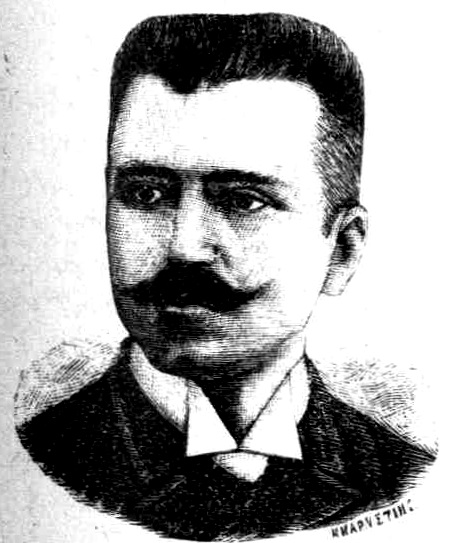
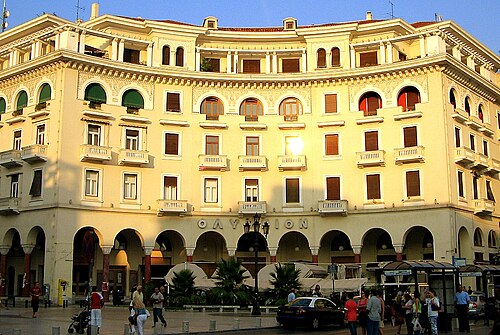
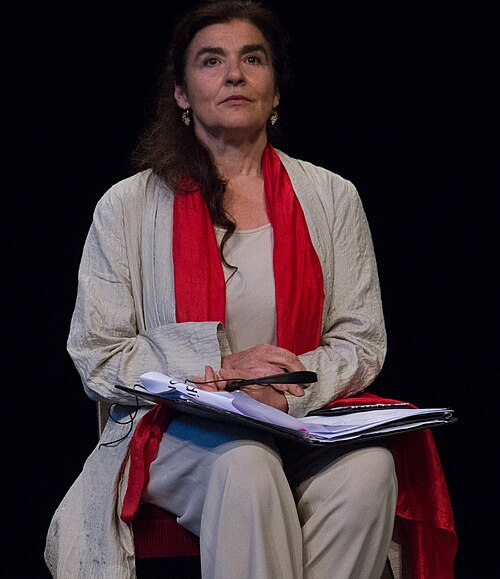
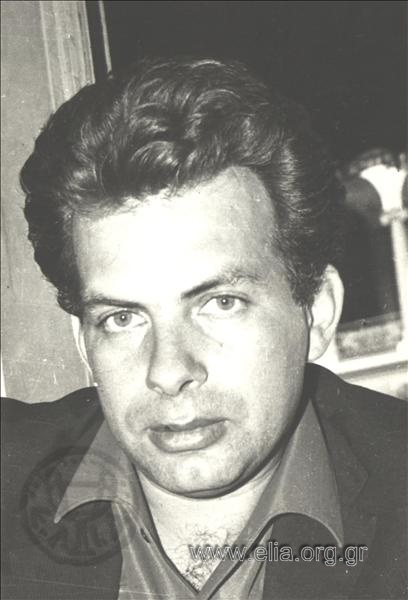
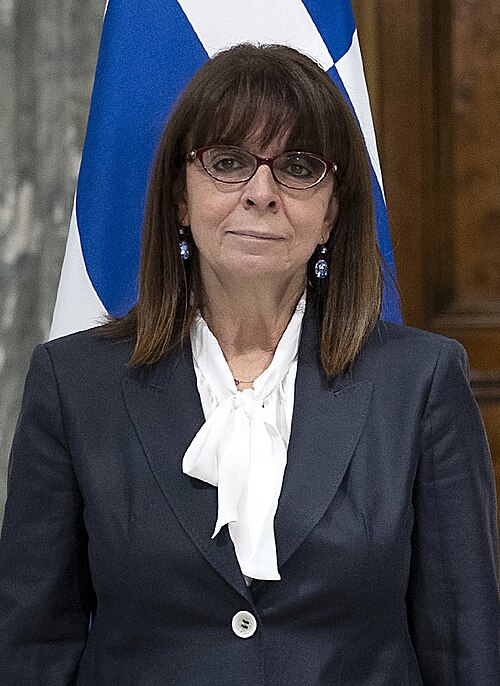
Katerina Sakellaropoulou was born in Thessaloniki in 1956 and graduated in law from the University of Athens in 1978. She joined the Council of State in 1982 after a competitive examination. During study leave in 1987–1988 she attended public-law courses at Paris II. Her judicial career included work in different sections of the court and an interest in environmental and planning law. She became a vice-president in 2015 and, in 2018, the first woman to lead the court, remaining in that post until February 2020.
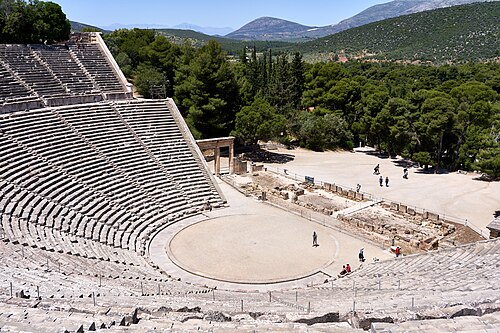
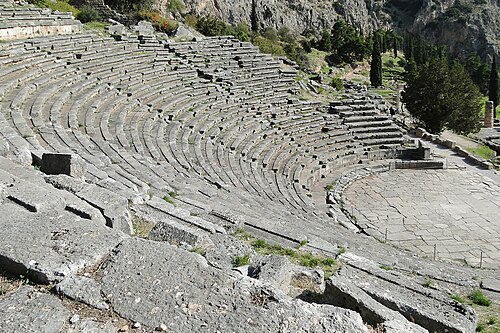
Parliament elected her President of the Republic on 22 January 2020. She took office on 13 March, becoming Greece’s first woman head of state. Her term ended on 12 March 2025; the handover to Konstantinos Tasoulas took place the following day. The distinction between election, taking office and leaving office matters when reading an official biography: these are separate events with separate dates. Her later public work continued in culture. On 5 November 2025 she became chair of the Athens Epidaurus Festival’s board. Her career thus connects judicial institutions, the presidency and cultural administration, with a different responsibility attached to each title.
Works

Sakellaropoulou’s professional work began in administrative justice, where disputes involving public administration are examined. Her official biography records writing on environmental and planning law, gender equality, individual rights and the rule of law, as well as teaching at the National School of Judges. These subjects connect technical legal language with questions a reader meets in ordinary public life: the environment, equal treatment and the responsibilities of institutions. They should be understood as areas of her work, rather than as a list of laws personally enacted by her.
As President of the Republic she held the office of head of state, elected by Parliament. The prime minister heads the government; keeping those titles distinct makes Greek news easier to follow. Her public speeches are a useful language resource because they repeat nouns such as δικαιώματα (rights), ισότητα (equality) and δημοκρατία (democracy) in a clear institutional setting. In a recorded discussion in March 2024 she argued that elections alone do not define democracy, connecting it with liberty and rights. The language also makes women’s public roles visible: η Πρόεδρος names a woman president, while the same noun can appear with ο for a man. Her later festival chair is a separate administrative role in culture.
Legacy in Greece today
Sakellaropoulou’s career gives learners a practical route into the language of Greek news and official biographies. Open her former-president profile on the presidency website and find εξελέγη, “was elected”, and ανέλαβε, “took office”. Match each verb to its date, then explain the sequence in your own words. Read a short paragraph from the 2024 discussion quoted here and identify δικαιώματα and δημοκρατία. Finally compare a presidential title with the later festival title: the noun Πρόεδρος stays, but the institution changes. Her completed 2020–2025 term is also a useful reminder to notice πρώην or τέως, “former”, when reading present-day coverage. Dates, institutions and small grammatical signals work together.
Did you know?
- She was the first woman to head both the Council of State and the Greek presidency.
- Her 2020 election came before her taking office: 22 January and 13 March are different dates.
- Her festival chairmanship began in November 2025, after her presidential term had ended.
Key works
| Greek title | Title | Year |
|---|---|---|
| Διορισμός στο Συμβούλιο της Επικρατείας | Council of State appointment | 1982 |
| Πρώτη γυναίκα Πρόεδρος του Συμβουλίου της Επικρατείας | First woman to head the Council of State | 2018 |
| Πρώτη γυναίκα Πρόεδρος της Ελληνικής Δημοκρατίας | First woman President of Greece | 2020 |
| Πρόεδρος του Φεστιβάλ Αθηνών Επιδαύρου | Athens Epidaurus Festival board chair | 2025 |
A line to remember
Δεν σημαίνει ότι υπάρχει δημοκρατία όταν έχει μια χώρα απλώς εκλογές.
Den simainei oti yparchei dimokratia otan echei mia chora aplos ekloges.
A country simply holding elections does not mean that democracy exists.