Life
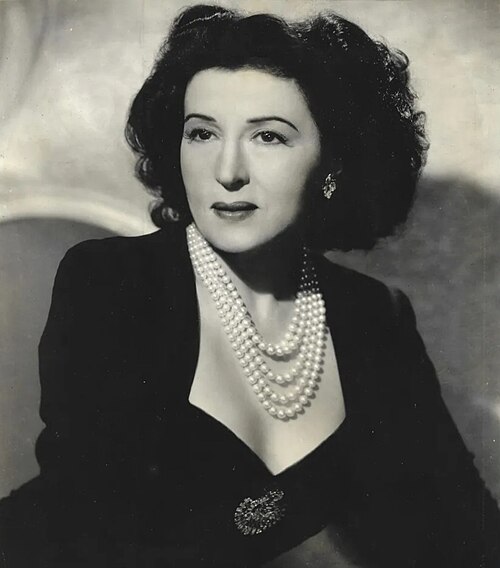
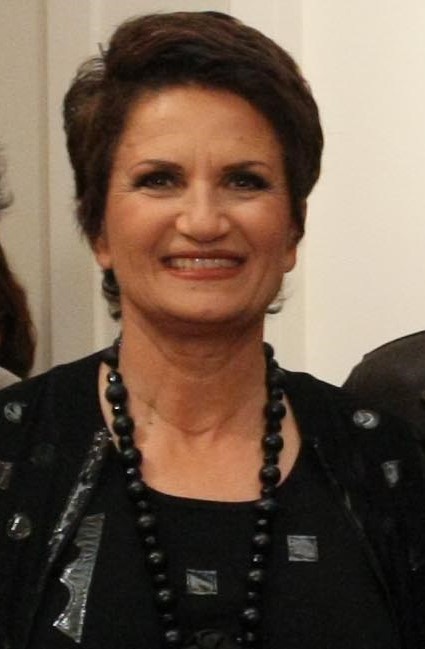
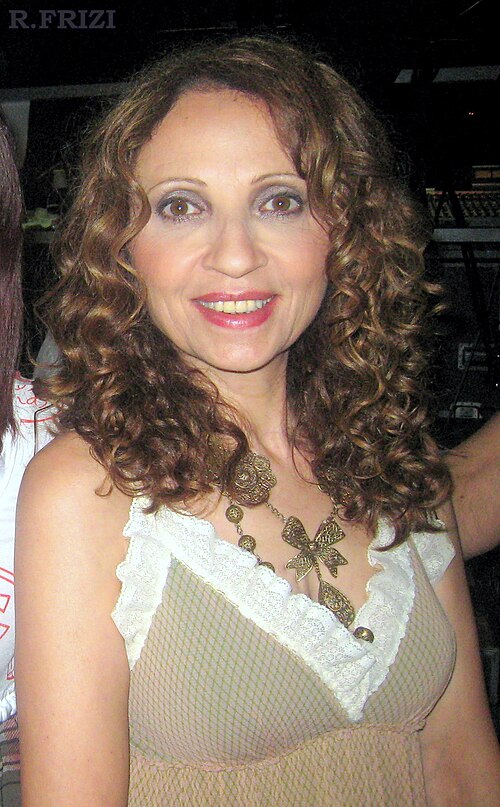
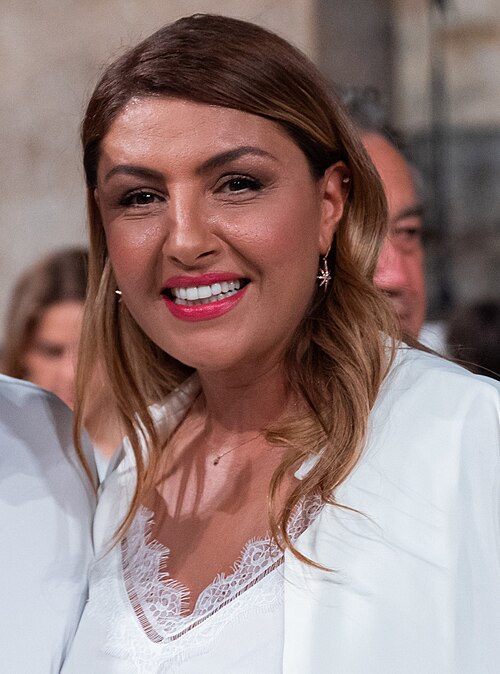
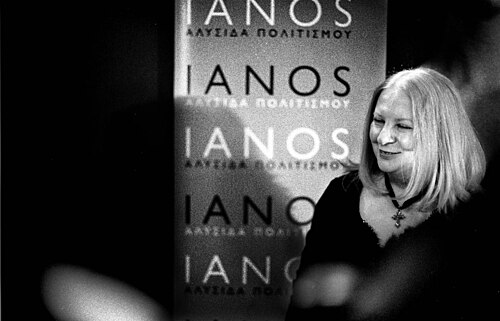
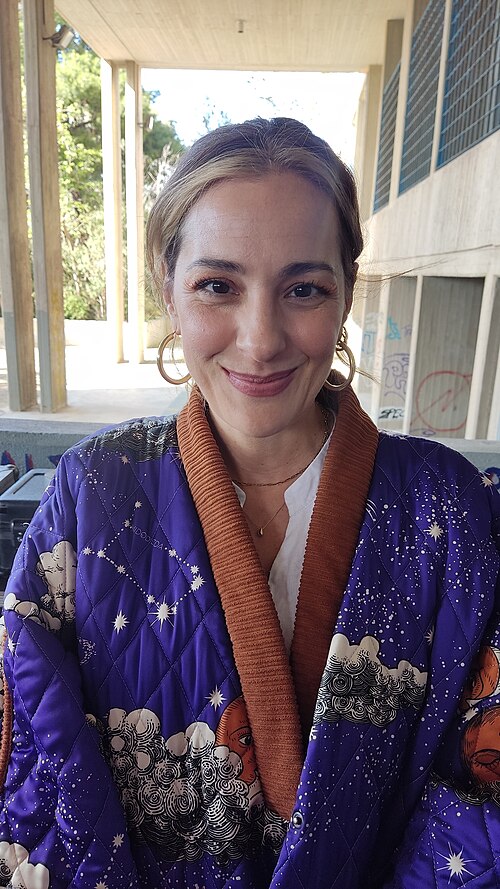
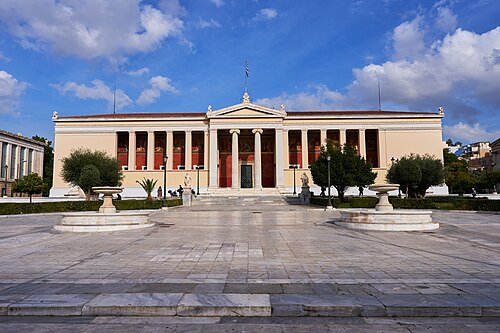
Pavlina Pampoudi was born in Athens in 1948. She studied history and archaeology at the University of Athens and attended courses in mathematics and painting, including art studies in Athens and at London’s Byam Shaw School of Art. These different interests became part of a career spanning writing, images and language.
Her first poetry collection, Σχεδόν χωρίς προοπτική δυστυχήματος (Almost No Prospect of an Accident), appeared in 1971. Later collections include Καρτ ποστάλ (Postcards, 1980) and Το μάτι της μύγας (The Fly’s Eye, 1983). Alongside poetry, she worked in publishing and advertising, translated literature and developed books for children. Her translations include works by Lewis Carroll, Charles Dickens and T. S. Eliot.
Pampoudi’s prose includes Χάρτινη ζωή (Paper Life, 2002), while Σημειώσεις για το άγραφο (Notes on the Unwritten) continued her poetry in 2021. She is a founding member of the Hellenic Authors’ Society and the Poets’ Circle. Her artistic work also extends to illustration, painting, lyrics and scripts for radio and television. In her public reflections she resists separating childhood from adulthood too neatly. The playful book and the demanding poem belong to the same creative life, even when they address the reader in very different ways.
Works

Pampoudi makes language a place of movement and transformation. In her children’s writing, letters and numbers can become characters or occasions for surprise. The publisher’s description of Με το άλφα και το βήτα (With Alpha and Beta) emphasises short humorous poems that help children recognise letters. Her own illustrations belong to that encounter between word and image.
The poem Το παπί (The Duckling) provides a compact example of sound becoming an event. A syllable disappears and the duckling’s voice changes. Official language-teaching material uses it to explore the removal and addition of syllables. The interest lies in how a tiny change can alter both a sound pattern and what a word seems to do.
Her adult writing explores a different range of pressures. Paper Life follows two families alongside Greek history and interweaves narrative with documents and correspondence. Notes on the Unwritten turns towards writing itself, following imagined paths, cycles and stories. Its movements through cycles and imagined journeys turn reading into an exploration of possible beginnings. Across these forms, humour and unease can coexist. A reader may enter through a simple sound game and later discover a more complex world of memory, identity and poetic construction.
Legacy in Greece today
Pampoudi’s words remain accessible through books and official Greek educational resources, including The Duckling. Begin a small exercise with the adapted passage. Say πε-πό-νι with three claps, then remove πε and say πό-νι with two. The first word means melon; the second means pony. Draw each object and write a short Greek sentence for each. Then listen to the difference and repeat the pair without changing the stress. This new wordplay example develops syllable awareness and links sound to meaning. Read both sentences aloud, pointing to the correct drawing each time. The A2 passage supports the task, while her complete poems invite further reading.
Did you know?
- Her first poetry collection appeared in 1971.
- She illustrates books as well as writing them.
- Her poem The Duckling appears in official Greek language-teaching resources.
Key works
| Greek title | Title | Year |
|---|---|---|
| Σχεδόν χωρίς προοπτική δυστυχήματος | Almost No Prospect of an Accident | 1971 |
| Καρτ ποστάλ | Postcards | 1980 |
| Το μάτι της μύγας | The Fly’s Eye | 1983 |
| Χάρτινη ζωή | Paper Life | 2002 |
| Σημειώσεις για το άγραφο | Notes on the Unwritten | 2021 |
A line to remember
Ισορροπώ το σκοτεινό με το φωτεινό.
Isorropó to skoteinó me to foteinó.
I balance the dark with the light.