Life
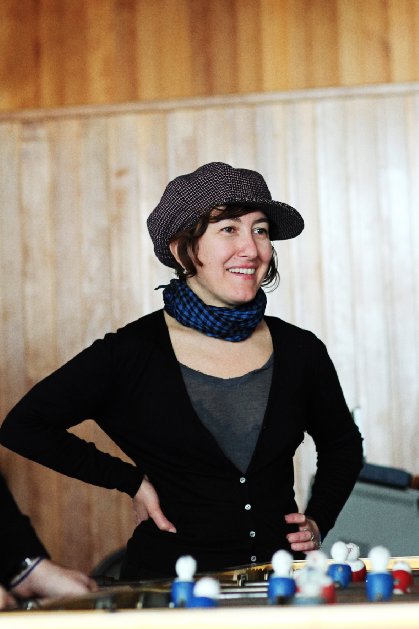
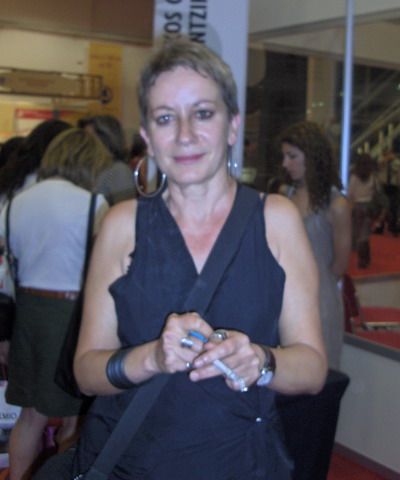
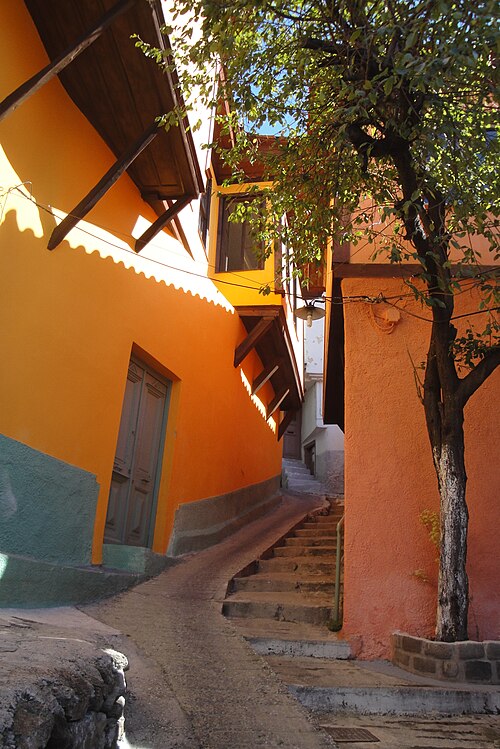
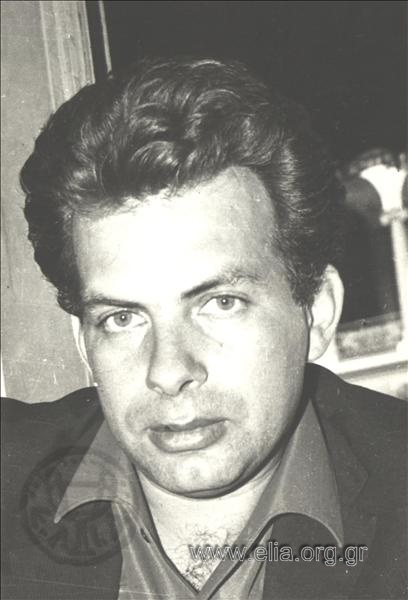
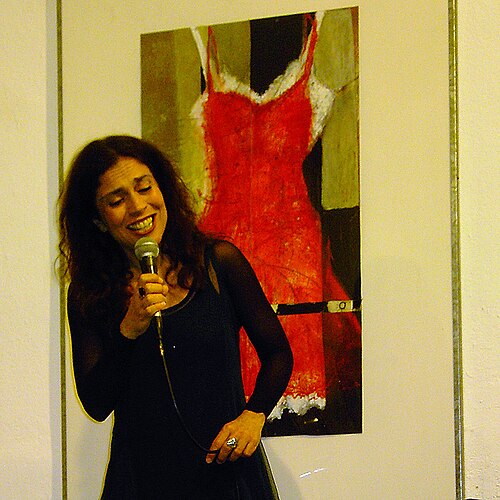
Giota Negka was born and grew up in Athens. Music was part of family life: her father was an amateur musician and her mother sang at gatherings. Her official biography describes an initially self-taught singer who found her artistic identity before adulthood. She began performing after secondary school, learning through the practical demands of singing with other musicians.
In 1992 she helped create Emmetro, a small music venue in Moschato, with friends. She sang there until 1996, before further work in Athens rebetiko venues. These beginnings placed her within living performance traditions, rather than a career built only around recording studios. In 2001 she joined performances with Panagiotis Kalantzopoulos, Evanthia Reboutsika and Elli Paspala. A widely recognised solo single followed in 2003, after earlier appearances on other artists’ recordings.
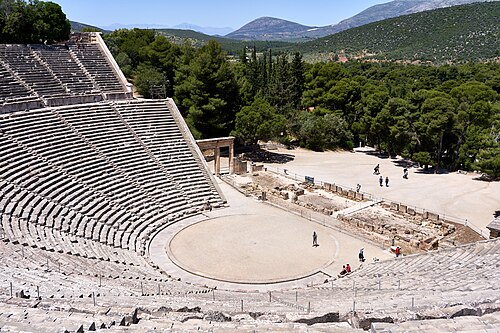
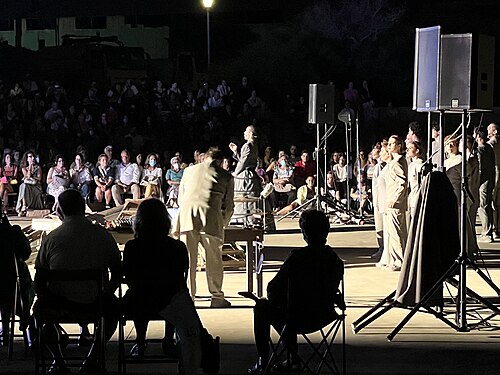
She later studied at the National Conservatory and graduated with distinction; she also teaches singing. Her official biography names collaborations with composers and lyricists across generations, alongside appearances at the Herodeion, Epidaurus and the Greek National Opera. Theatre expanded this activity: in the 2022 production of Euripides’ Medea directed by Aimilios Cheilakis and Manolis Dounias, she was one of the two chorus leaders. This is a specific theatrical role, distinct from merely singing a concert programme.
Works

Με τα μάτια κλειστά (With Eyes Closed), issued as a CD single in 2003, brought Negka’s interpretation together with music and words by Panagiotis Kalantzopoulos. Her first full personal album, Το βέλος (The Arrow), followed in 2004 with songs by Vangelis Korakakis. These releases established a recorded repertoire alongside the rebetiko and laïko material she performed live.
Έχω άνθρωπο (I Have Someone) appeared in 2007, drawing on a music-theatre production with composer Kostas Livadas and writer Thodoris Gonis. Καινούριο φιλί (A New Kiss), released in 2014, paired her with Themis Karamouratidis and several lyricists, including Gerasimos Evangelatos and Odysseas Ioannou. Their next album, Τελευταίος εαυτός (Last Self), used Ioannou’s lyrics throughout. The album was presented in January 2016.
Her recordings continue to depend on distinct creative partnerships. Panik released the single Ταυτότητα (Identity) in June 2025, with music by Giorgos Theofanous and lyrics by Eleana Vrachali. This should not be confused with the later EP announced under the same title. In a 2024 television interview, Negka expressed an interest in women’s writing. Her words illuminate repertoire choices without turning every song into autobiography or making the performer its sole author.
Legacy in Greece today
Negka links current songwriting with the experience of rebetiko performance and formal vocal study. Following the credits reveals a network of composers, lyricists and musicians behind an individual voice.
For Greek practice, find Έχω άνθρωπο through her official discography and listen for the title in a short passage. Here it suggests having someone to rely on, not owning a person. Compare άνθρωπο with the dictionary form ο άνθρωπος. Then make your own sentence: Έχω έναν φίλο που με βοηθά, “I have a friend who helps me”. Try μια φίλη που με ακούει, “a friend who listens to me”. Read the adapted passage aloud first; B1 describes this supported activity, not every lyric or live improvisation.
Did you know?
- Born and raised in Athens.
- National Conservatory graduate and vocal teacher.
- Chorus leader in the 2022 production of Medea.
Key works
| Greek title | Title | Year |
|---|---|---|
| Με τα μάτια κλειστά | With Eyes Closed | 2003 |
| Το βέλος | The Arrow | 2004 |
| Έχω άνθρωπο | I Have Someone | 2007 |
| Καινούριο φιλί | A New Kiss | 2014 |
| Τελευταίος εαυτός | Last Self | 2016 |
| Ταυτότητα | Identity — single | 2025 |
A line to remember
Με ενδιαφέρει ο γυναικείος λόγος.
Me endiaférei o gynaikeíos lógos.
I am interested in women’s writing.