Life
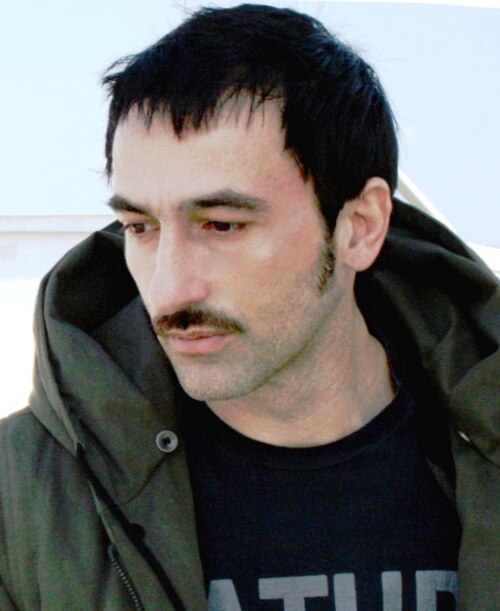
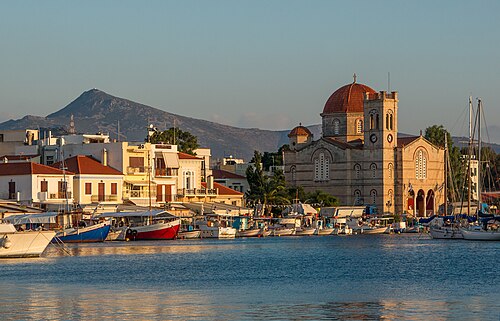
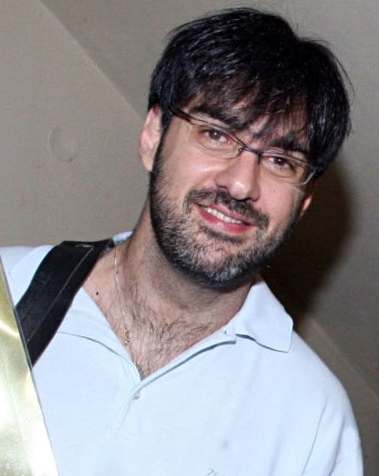
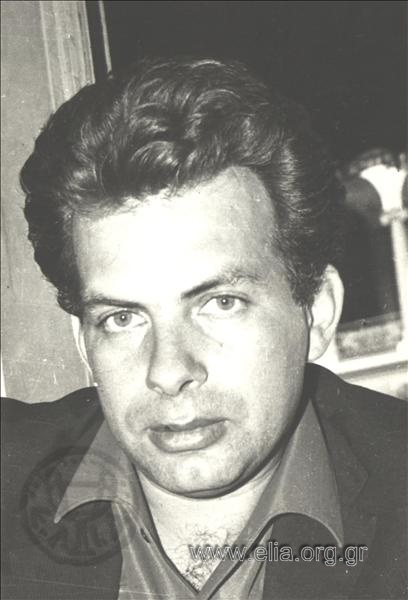
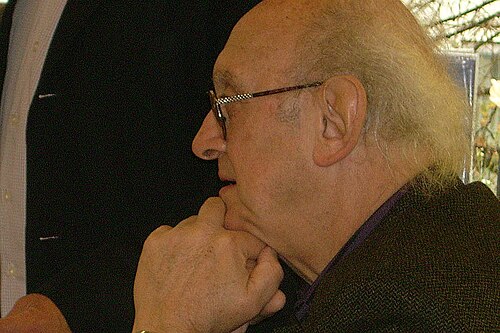
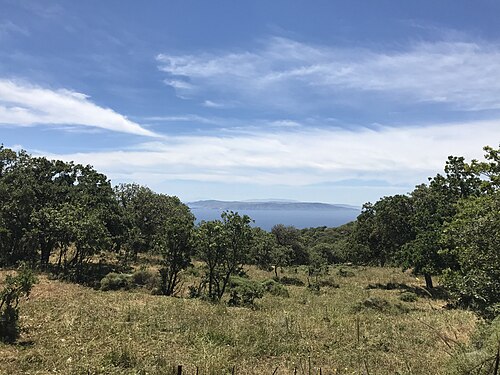
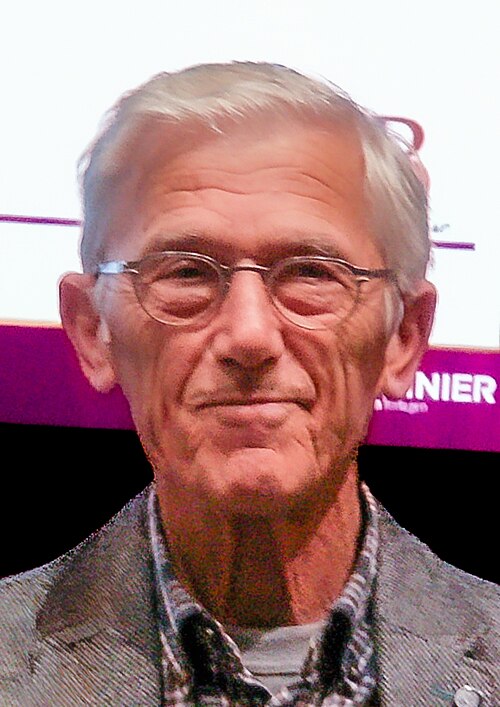
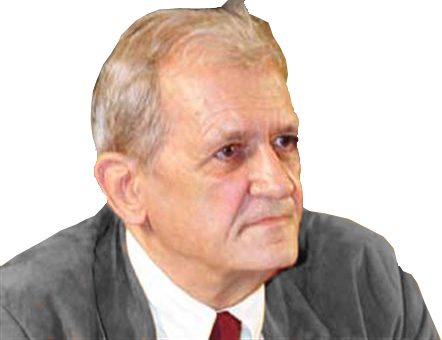
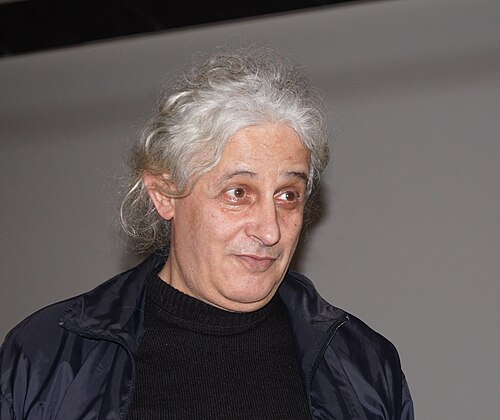
Dimos Avdeliodis, also written Demos Avdeliodis, was born on Chios in 1952. He studied at the University of Athens’s Faculty of Philosophy and attended Giorgos Theodosiadis’s drama school. His work developed across directing, writing, acting and production, with the island’s landscapes and community life becoming a recurring resource for cinema.
Το δέντρο που πληγώναμε (The Tree We Hurt, 1986) established an enduring connection between childhood memory and Chios. Νίκη της Σαμοθράκης (Nike of Samothrace, 1990) and Η εαρινή σύναξις των αγροφυλάκων (The Spring Gathering of the Rural Guards, 1999) extended his filmmaking into comedy and social allegory. During the 1990s he also taught cinema at Panteion University. He served as artistic director of the North Aegean Municipal Regional Theatre.
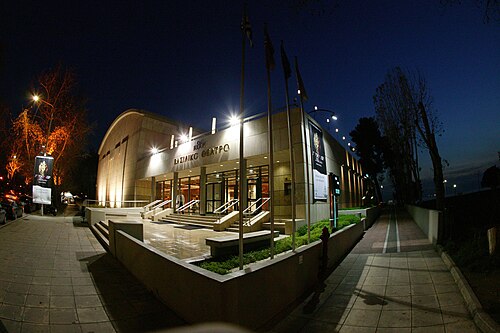
His theatre work includes adaptations of Georgios Vizyinos and productions for the National Theatre of Northern Greece. Βαβυλωνία (Babylonia) opened there in 2009; Πλάτωνα, Απολογία Σωκράτη (Plato’s Apology of Socrates) followed in 2015. Both put language at the centre of performance, through dialect misunderstandings or the delivery of an ancient text. His director’s note for the latter explains his concern with the relationship between sound, emotional understanding and clear meaning. The same concern gives continuity to his work with actors and literary narration.
Works

Το δέντρο που πληγώναμε (The Tree We Hurt, 1986) follows two boys whose friendship is interrupted and renewed during a Chios summer. Its title connects their experiences with the cutting of mastic trees to obtain resin. Landscape, seasonal work and children’s play give the film a concrete island setting. Νίκη της Σαμοθράκης (Nike of Samothrace, 1990) brings rivalry into an urban environment, while Η εαρινή σύναξις των αγροφυλάκων (The Spring Gathering of the Rural Guards, 1999) returns to Chios in 1960, where successive guards struggle with a village assignment.
In the 2009 production of Dimitrios Vyzantios’s Βαβυλωνία (Babylonia), characters from different regions gather at an inn and misunderstand one another’s dialects. Speech becomes part of the action. Avdeliodis’s directing brings the audience’s attention to the relationship between a voice, its rhythm and the response it provokes.
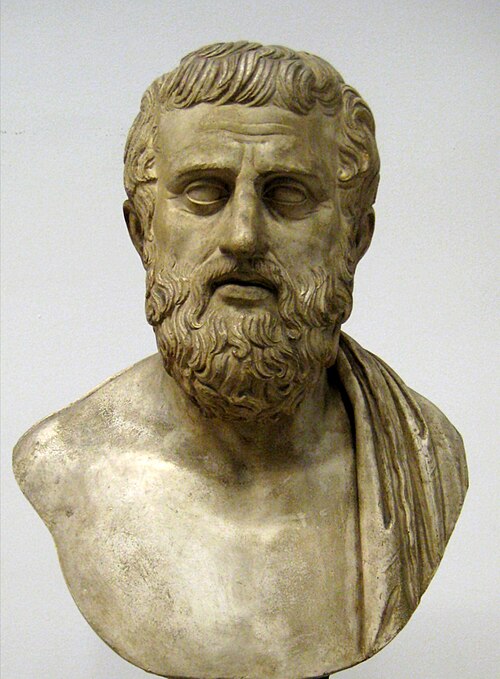
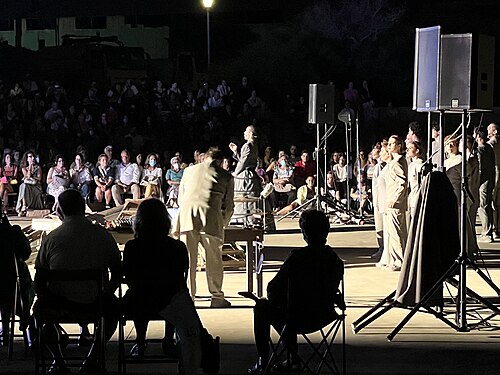
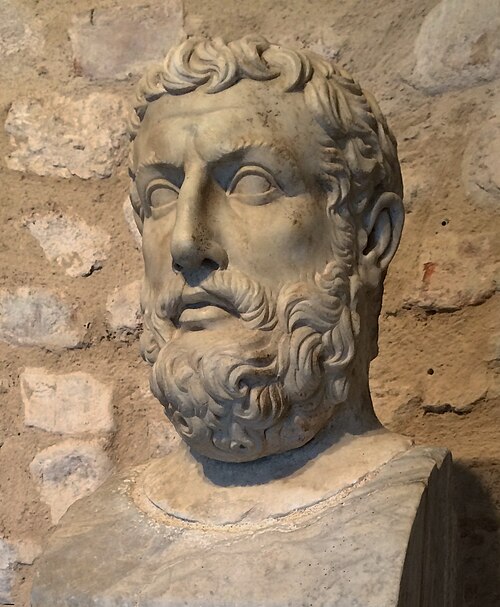
Πλάτωνα, Απολογία Σωκράτη (Plato’s Apology of Socrates, 2015) used Ancient Greek speech, with Modern Greek and English surtitles. Vasilis Karaboulas played Socrates and Thanasis Dislis played Meletus. Avdeliodis directed and coached the performers; Plato remains the author of the text. The production explores the force of a spoken defence, while the translated surtitles offer a route into its argument. The language of this historical performance differs from the adapted Modern Greek reading on this page.
Legacy in Greece today
Read Avdeliodis’s short Modern Greek statement below, taken from his director’s note for the National Theatre of Northern Greece’s Πλάτωνα, Απολογία Σωκράτη (Plato’s Apology of Socrates). Locate λέξεις and νόημα: words and meaning. Then try our everyday phrase Εσύ το είπες first as a statement and then as a question.
Keep the words, but change the intonation. Next emphasise εσύ, as if identifying who said something. Record both versions and explain the difference in a simple Greek sentence. This exercise uses his interest in vocal delivery with familiar Modern Greek. The production’s Ancient Greek text needs translation and further support; B1 describes the adapted passage and this speaking activity.
Did you know?
- The Tree We Hurt was produced in 1986 and screened internationally in 1987.
- The 2009 Babylonia production made dialect misunderstandings part of the dramatic action.
- The 2015 Apology production used Ancient Greek speech with Modern Greek and English surtitles.
Key works
| Greek title | Title | Year |
|---|---|---|
| Το δέντρο που πληγώναμε | The Tree We Hurt | 1986 |
| Νίκη της Σαμοθράκης | Nike of Samothrace | 1990 |
| Η εαρινή σύναξις των αγροφυλάκων | The Spring Gathering of the Rural Guards | 1999 |
| Βαβυλωνία | Babylonia (NTNG production) | 2009 |
| Πλάτωνα, Απολογία Σωκράτη | Plato’s Apology of Socrates (production) | 2015 |
A line to remember
Ο τρόπος που θα ειπωθούν οι λέξεις, καθορίζει την ευκρίνεια του νοήματος.
O trópos pou tha eipothoún oi léxeis, kathorízei tin efkríneia tou noímatos.
The way words are spoken determines how clear the meaning is.