Life
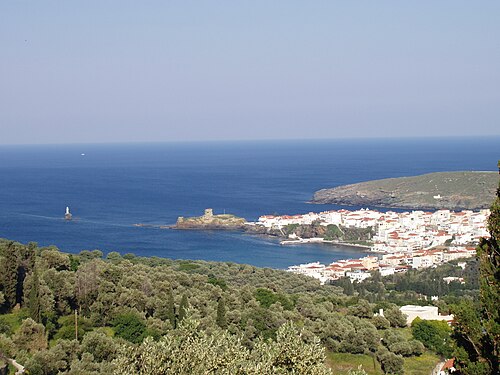
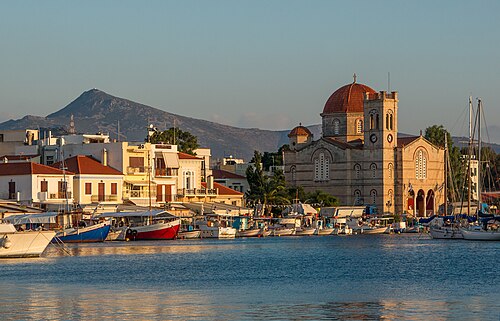
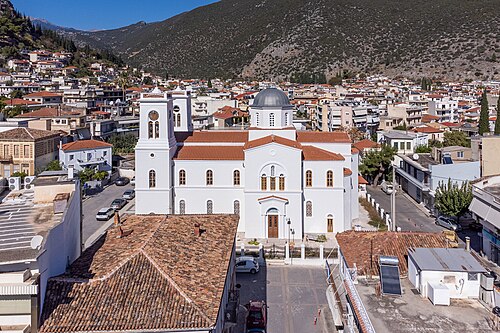
Abdera, on the northern Aegean coast, was Democritus’s home city. His birth is usually placed around 460 BC; the conventional death date, around 370 BC, is uncertain. Such dates help locate him in Greek history without establishing an exact lifespan.
Later authors describe extensive journeys and unusual habits, but these stories cannot all be treated as secure biography. His relationship with Leucippus matters more for understanding his thought: ancient testimony connects both thinkers with the beginnings of atomism. Assigning every individual idea to one of them is difficult.
Democritus is often grouped among the Presocratic philosophers, although he lived during the age of Socrates. The label concerns an approach to explaining nature rather than a neat division between generations. Ancient accounts associate him with a wide range of writing, including mathematics, natural philosophy and questions of human conduct. This breadth helps explain why reducing him to a single claim about atoms misses much of his intellectual life. His name also appears as Demokritos. Because the books themselves are lost, a responsible biography must distinguish what later sources report from what can be securely established about his life.
Works

In this account of nature, atoms and the void explain the visible world. Atoms are solid bodies that cannot be divided; empty space allows them to move. Different shapes, positions and arrangements produce different things. Change does not require matter to appear from nothing: the components rearrange. The striking move is to explain variety through the arrangement of underlying bodies, rather than assuming that every visible difference requires a different kind of fundamental material.
This is an ancient philosophical model, not modern chemistry. Today’s atoms contain smaller particles. Democritus did not discover them through laboratory experiments. The comparison is useful when it opens a question, but misleading when it erases the differences between ancient argument and modern evidence.
His interests also included perception, knowledge and ethics. If qualities such as sweetness depend on our experience while the underlying bodies are atoms, how do the senses contribute to knowledge? In accounts of his ethics, euthymia suggests a balanced, cheerful state of mind, supported by moderation. The four items below are themes in his thought, not titles of complete surviving books.
Legacy in Greece today
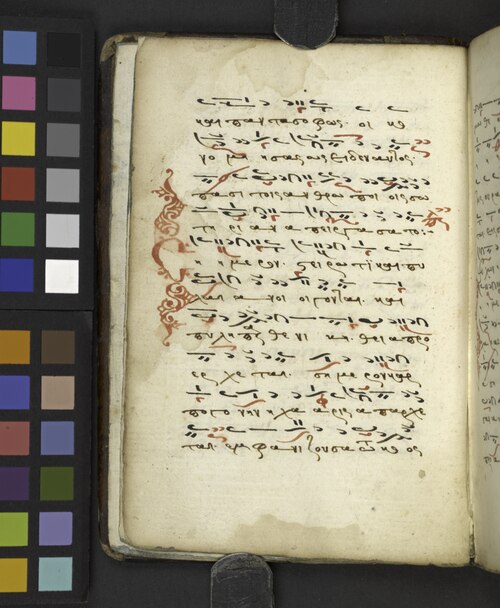
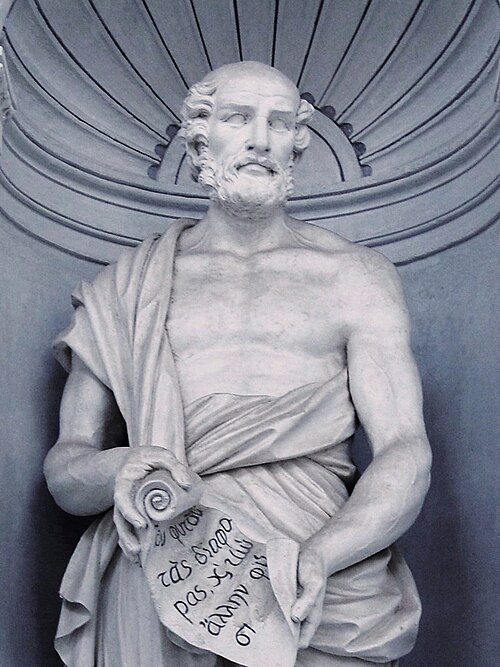
No complete book by Democritus survives. We read brief quotations, reports and criticisms preserved by other authors. A fragment is therefore a window onto his thinking, but its selection and surrounding argument belong to a later writer. The quotation here is transmitted by Sextus Empiricus.
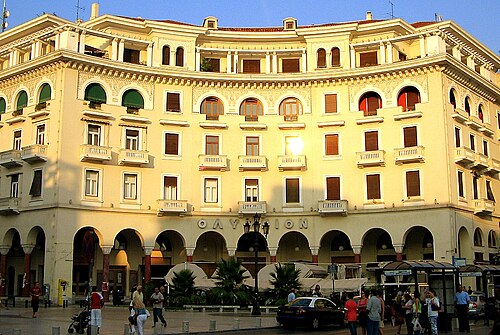
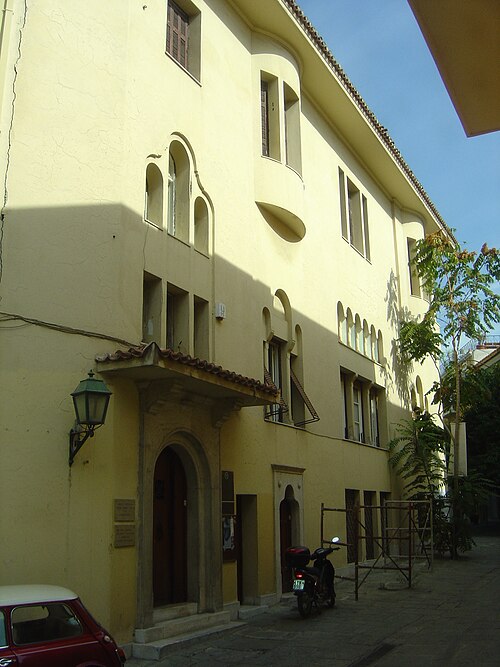
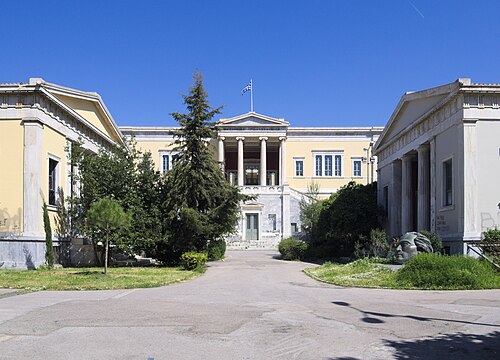
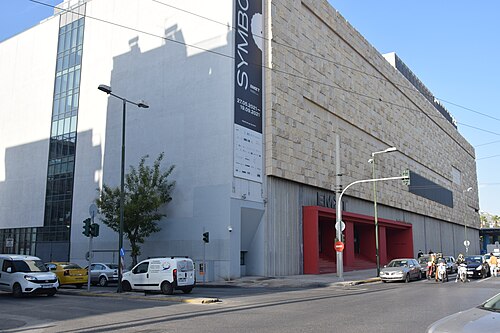
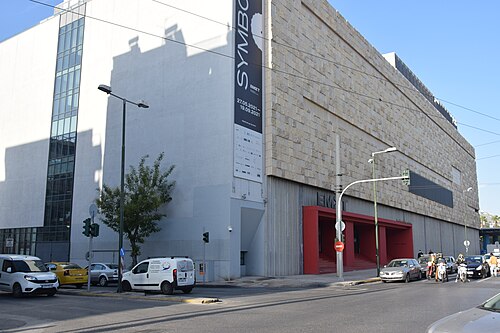
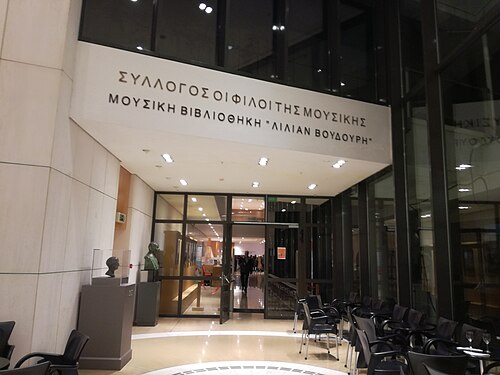
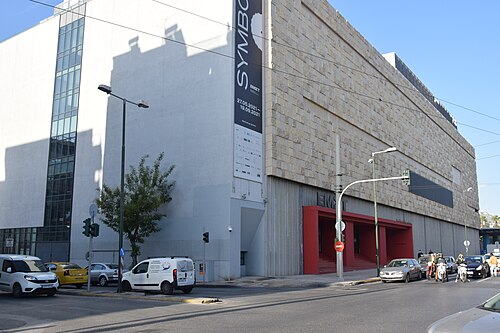
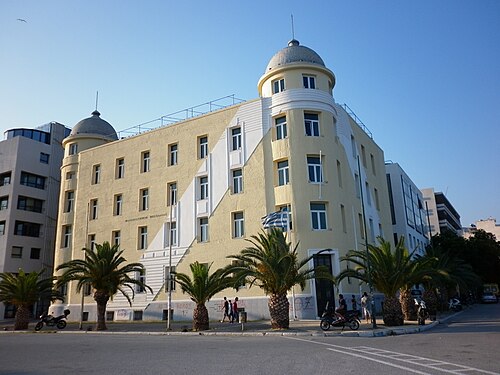
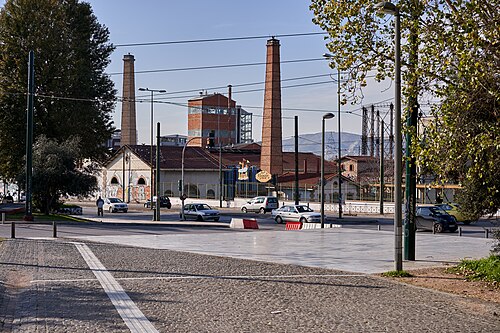
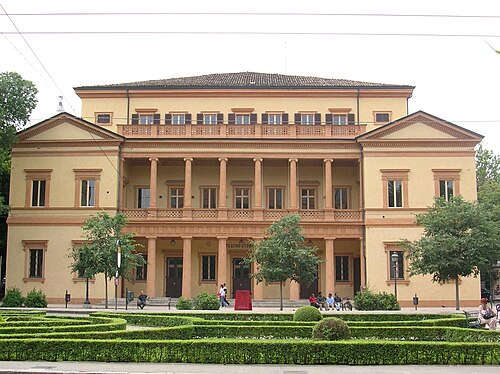
Epicurus later developed a different version of atomism; Aristotle discussed and criticised atomist explanations. Reading these thinkers together reveals a debate, rather than an unchanged theory passing through the centuries. In Greece, Democritus University of Thrace bears his name in honour of the philosopher from Abdera.
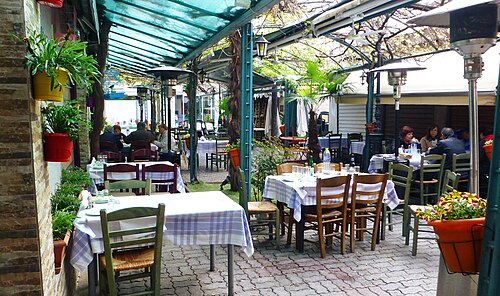
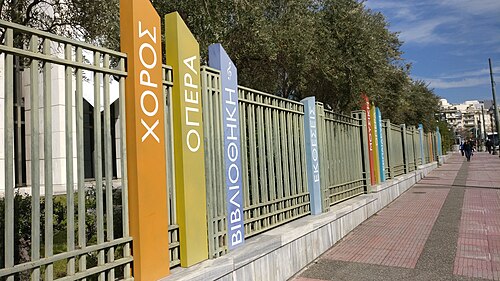
Try reading the Greek university name, Δημοκρίτειο Πανεπιστήμιο Θράκης, aloud. Then compare το άτομο in a science text with δύο άτομα when booking a table: the shared word does different work.
Did you know?
- Ancient Greek atomos means “indivisible”; the modern scientific atom can, however, be divided.
- In Modern Greek, το άτομο also means a person: δύο άτομα often simply means “two people”.
- No complete book by Democritus survives; the quotation on this page reaches us through Sextus Empiricus.
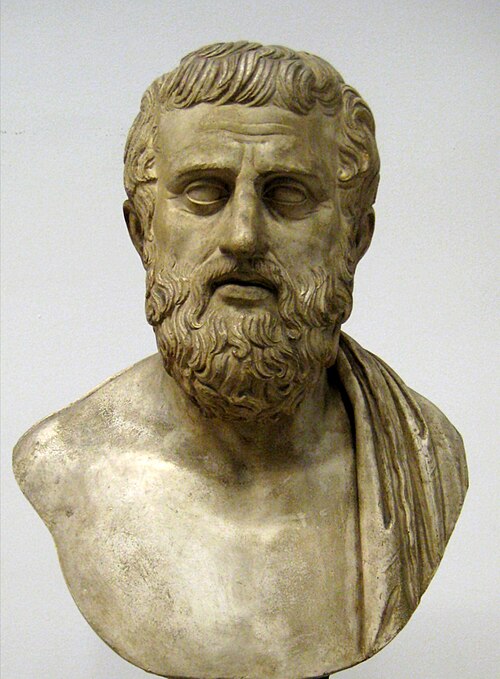
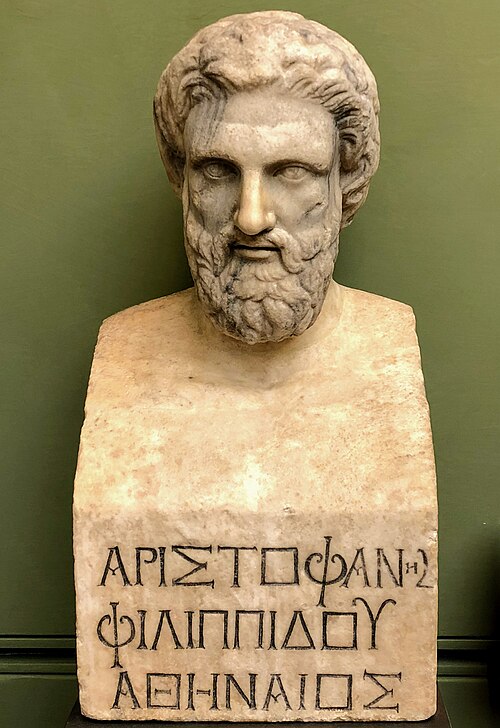
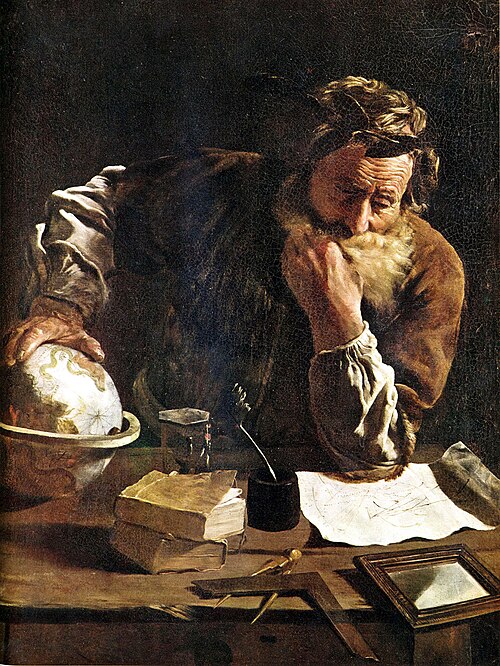
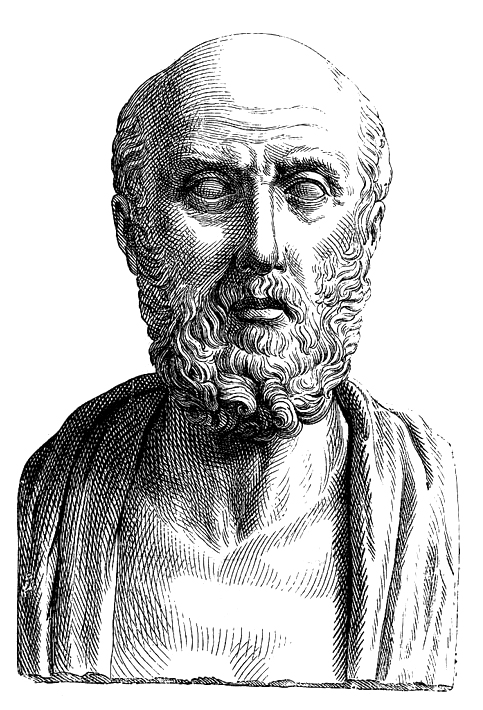
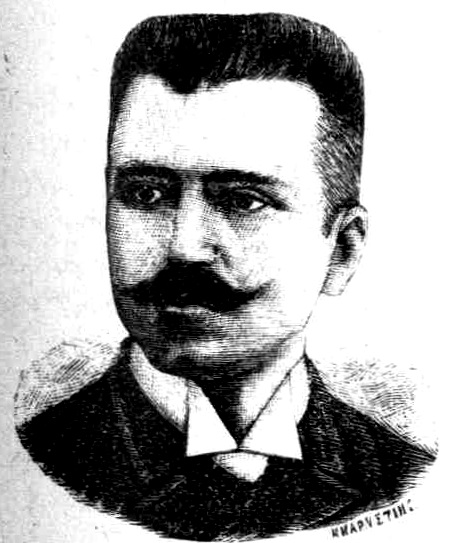
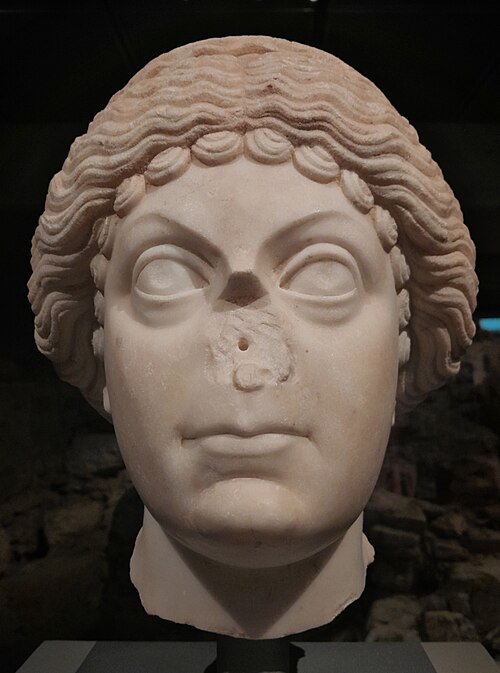
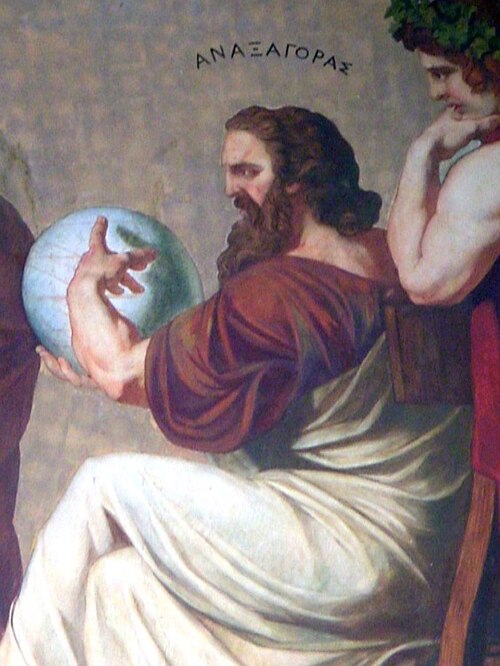
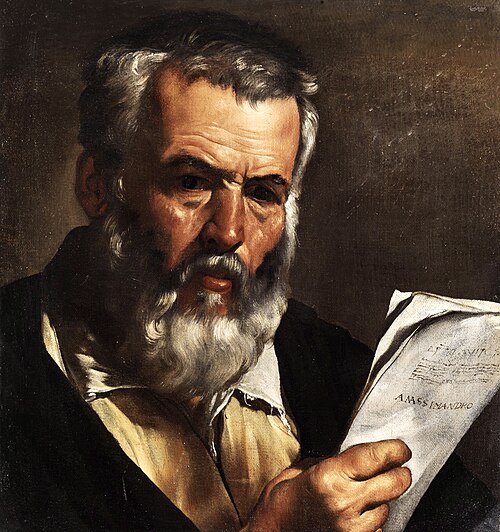
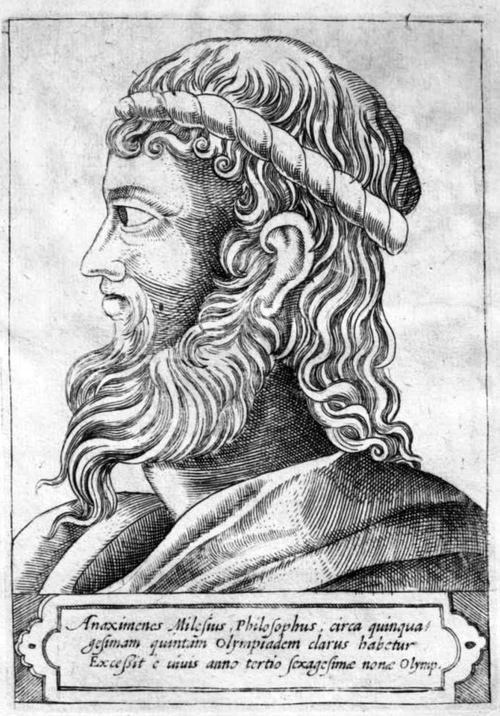
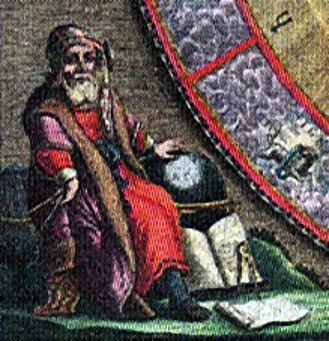
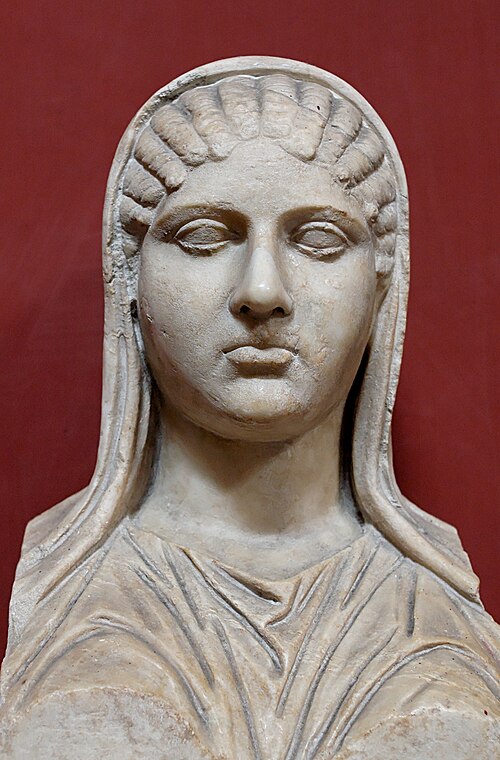
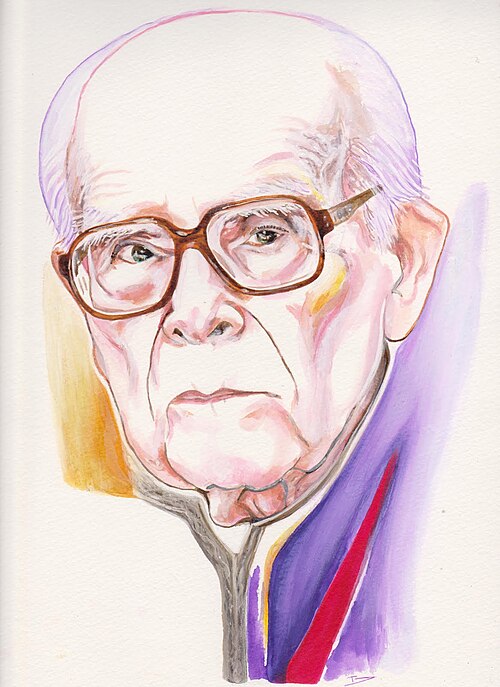
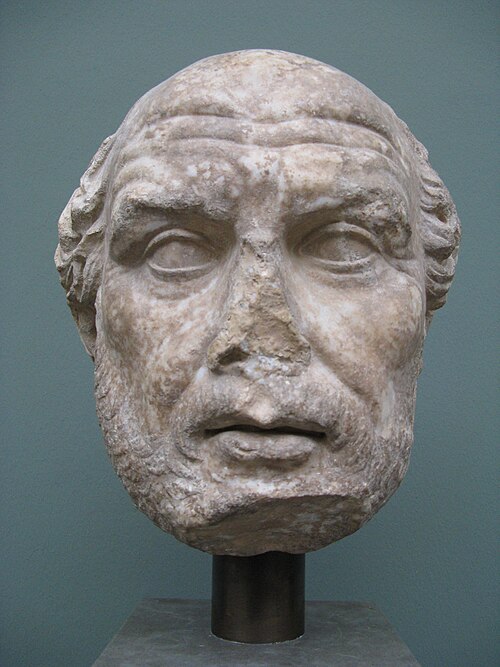
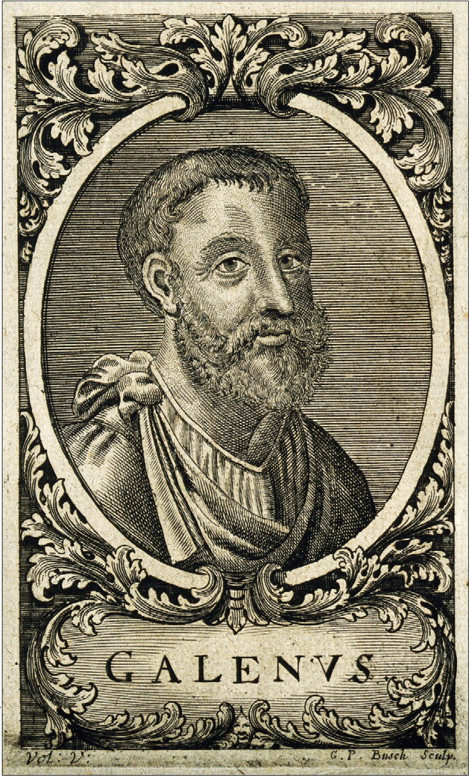
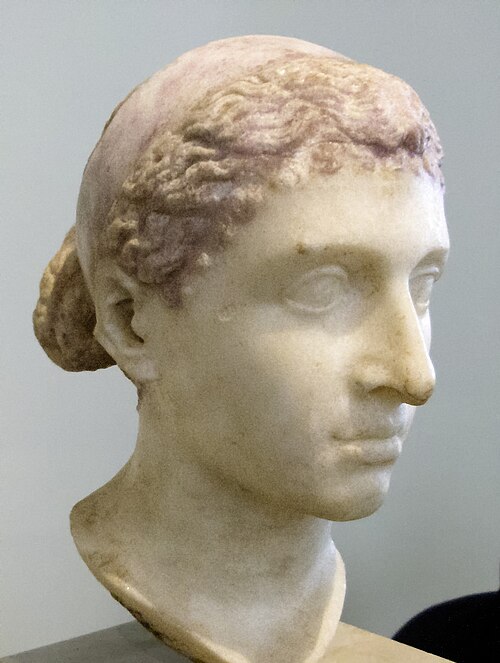
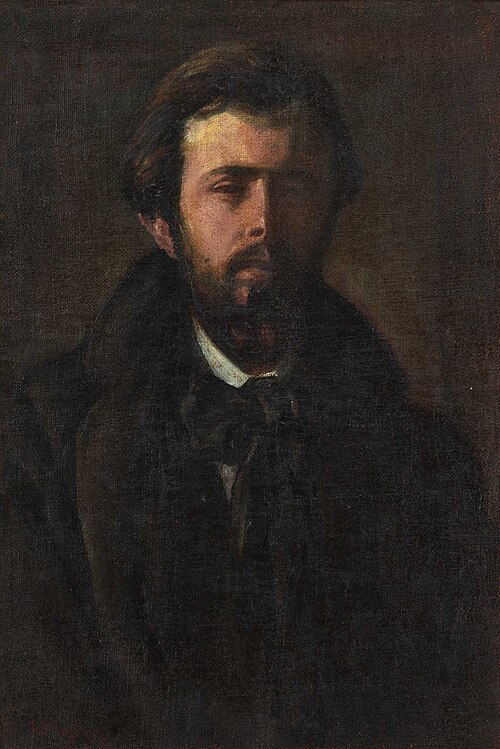
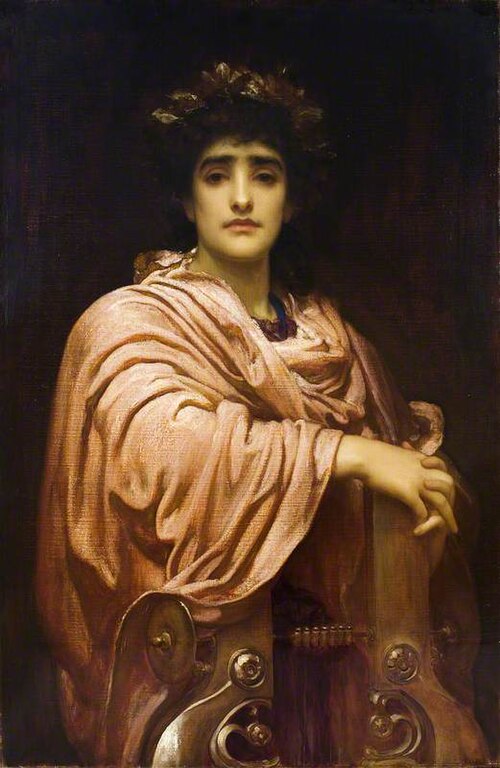
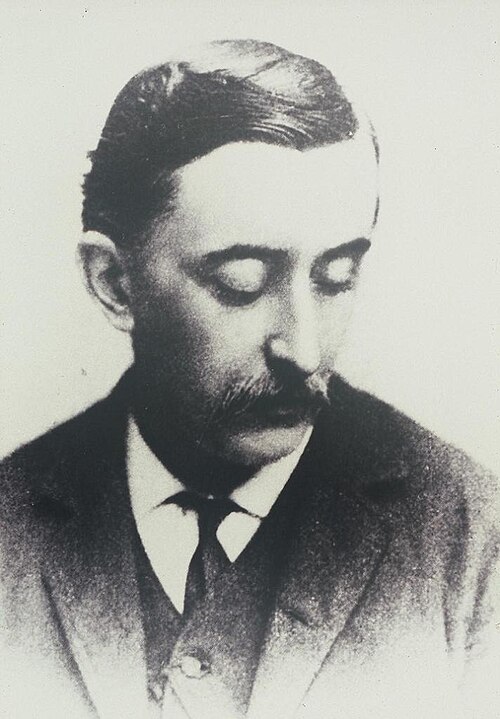
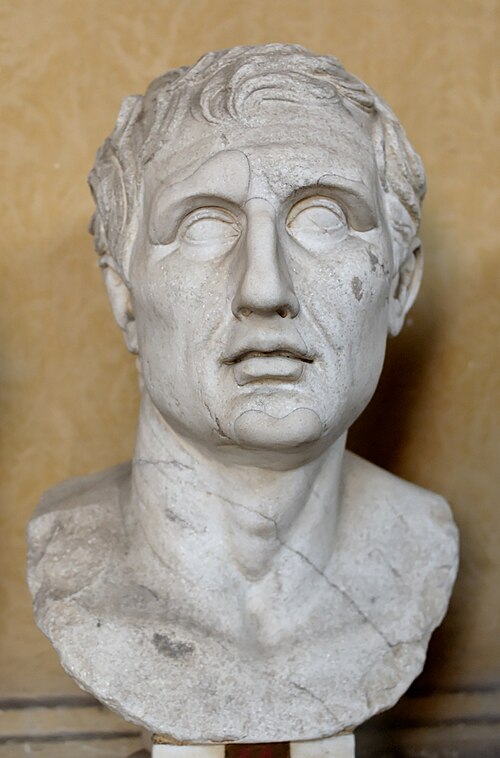
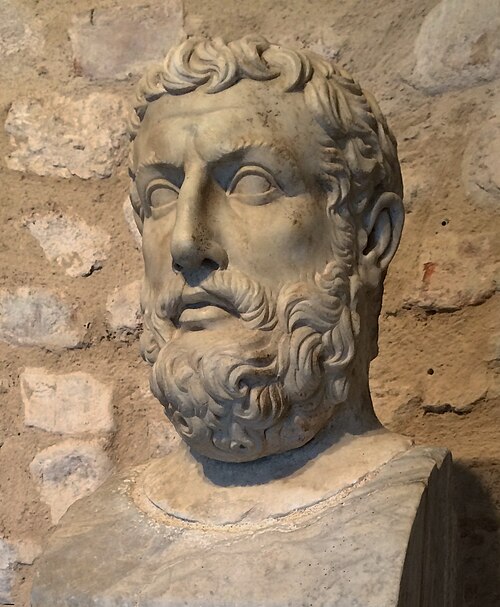
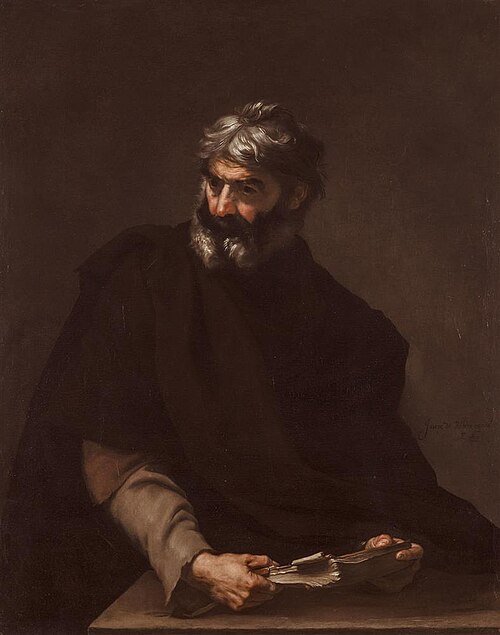
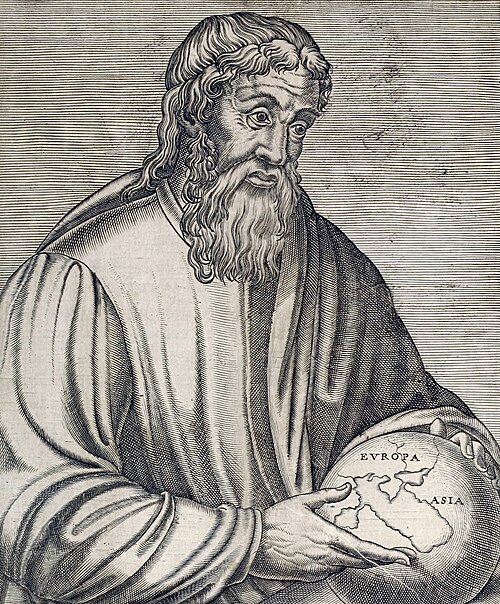
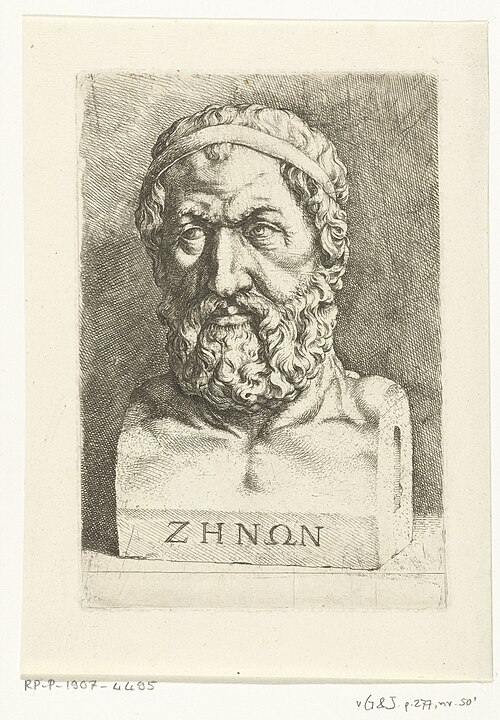
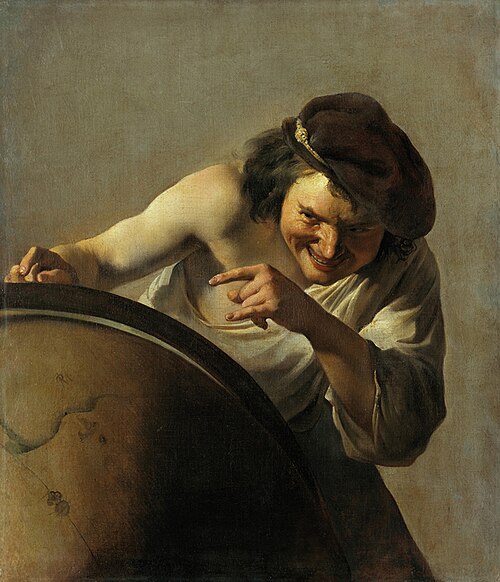
- The “laughing philosopher” is a later cultural image, not a reason to reduce his ethics to mockery. An imagined painted face is not evidence of his appearance.
Key works
| Greek title | Title | Year |
|---|---|---|
| Άτομα και κενό | Atoms and the void | |
| Σχήμα και διάταξη | Shape and arrangement | |
| Αισθήσεις και γνώση | Senses and knowledge | |
| Ευθυμία | Cheerfulness |
A line to remember
ἐτεῇ δὲ ἄτομα καὶ κενόν.
In today's GreekΣτην πραγματικότητα, όμως, υπάρχουν άτομα και κενό.
Etei de atoma kai kenon.
In reality, however, atoms and empty space.