Life
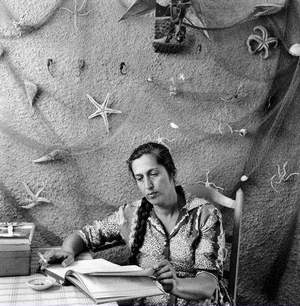
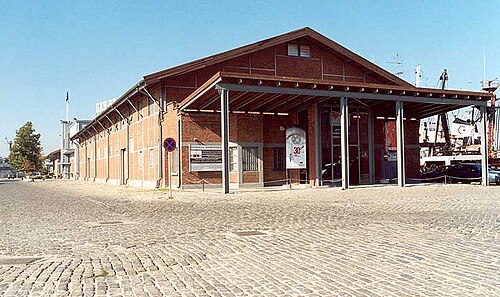
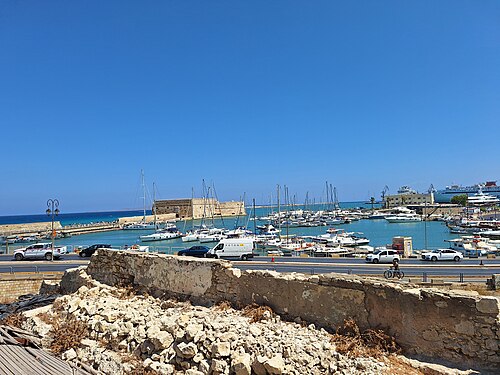
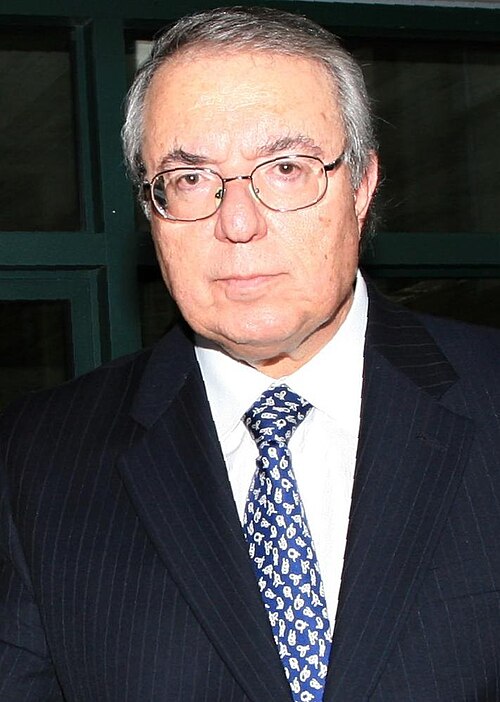
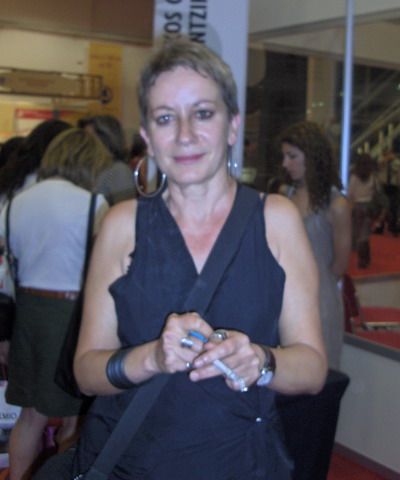
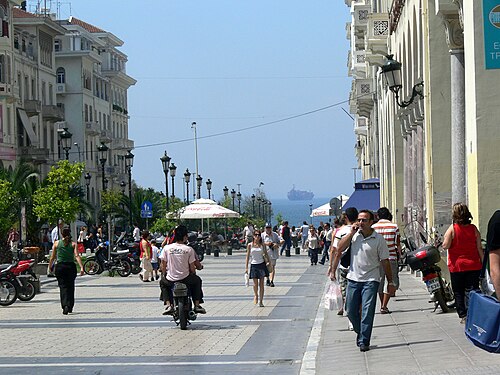
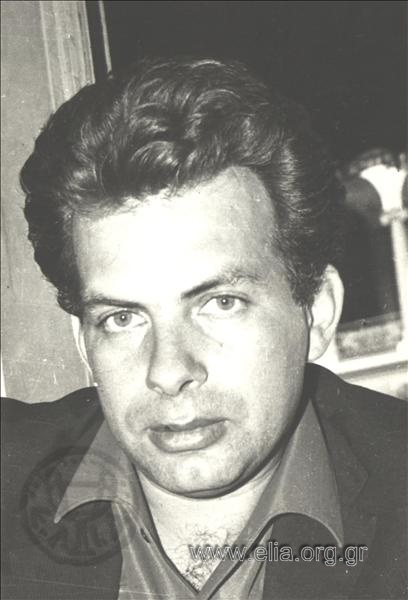
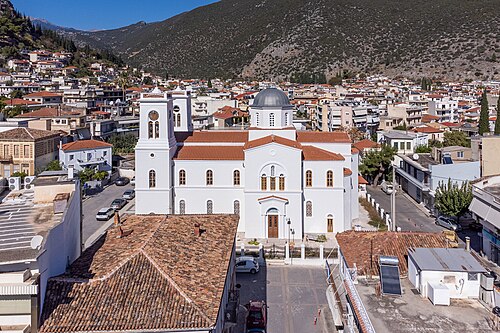
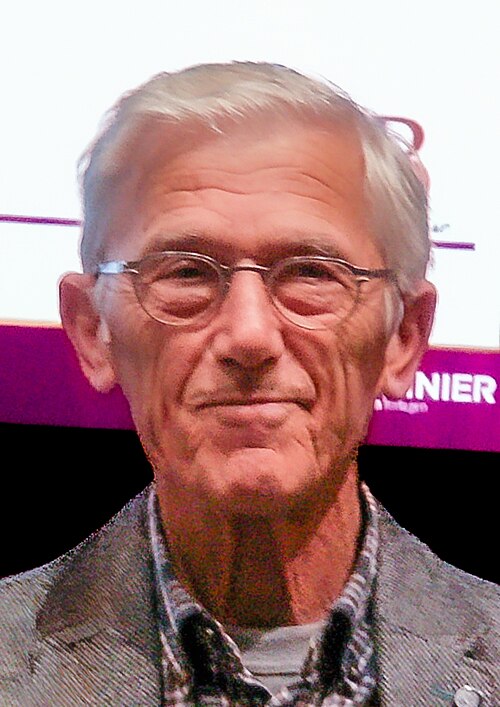
Maria Kyrtzaki was born in Kavala in 1948. She studied medieval and Modern Greek philology at Aristotle University of Thessaloniki before settling in Athens. Her early collection Σιωπηλές κραυγές (Silent Cries) appeared in Kavala in 1966. The city and its remembered voices continued to enter her writing.
Οι λέξεις (Words, 1973) and Ο κύκλος (The Circle, 1976) began the period gathered in her later collected volume. Her books include Η γυναίκα με το κοπάδι (The Woman with the Flock, 1982), Ημέρια νύχτα (Tame Night, 1989), Σχιστή οδός (Split Road, 1992), Μαύρη θάλασσα (Black Sea, 2000) and Λιγοστό και να χάνεται (Little, and Disappearing, 2002). Στη μέση της ασφάλτου (In the Middle of the Asphalt), published in 2005, brings together poems from 1973–2002.
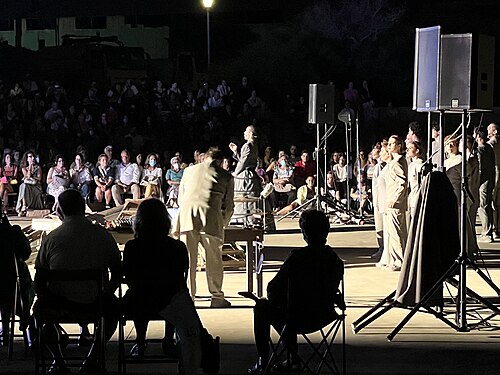
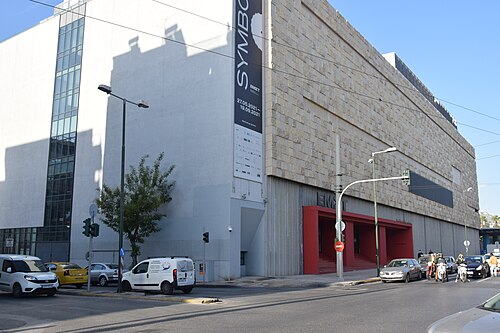
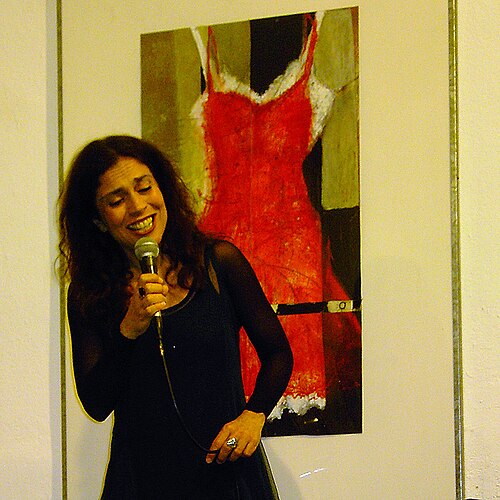
Kyrtzaki worked for Greek Radio’s Third Programme and professionally edited the language and typography of books. She translated Steven Berkoff’s play Greek, staged by the Morfes company at the Embros Theatre, and taught language in its drama school. These activities placed written precision beside spoken performance. She died in 2016, leaving poetry, recordings and a sustained concern with what a voice can carry.
Works

In Kyrtzaki’s poetry, speaking is rarely effortless. A voice meets fear, violence, desire or the difficulty of reaching someone else. Words can seem damaged or insufficient, yet the poem keeps trying to make contact. Repetition and direct address give many passages the pressure of a speech unfolding before a listener.
In the early collections, public history enters intimate experience. The dictatorship forms part of the world in which voices are constrained and trust becomes difficult. Later poems draw on myth and dramatic figures without losing their bodily intensity. The woman who speaks is not simply an illustration of an ancient story; familiar narratives become places where power, longing and vulnerability can be tested.
Her poem Ας μιλήσουμε (Let’s Talk), in Words, joins an invitation to speak with images of fear and death. Its apparent turn towards optimism carries a bitter undertow. That tension makes tone central to reading: the same short phrase can sound welcoming, urgent or wounded. Kyrtzaki’s own recorded readings also let listeners hear pauses, pace and emphasis. Her radio and theatre work belongs to this larger exploration of language as an event between people.
Legacy in Greece today
The author archive preserves poems, manuscripts and recordings of Kyrtzaki reading her work. Begin with the title Let’s Talk and the adapted Greek passage. Underline the verbs after ας, then make two new shared suggestions: ας ανοίξουμε το παράθυρο and ας καθίσουμε δίπλα. Read them once warmly and once impatiently, noticing how your voice changes their effect. Write a four-line exchange in which one speaker proposes an action and the other agrees or suggests something different. This everyday practice develops Greek proposals and responses. Return to the poem afterwards to consider why its invitation feels more troubled than an ordinary conversation.
Did you know?
- She worked on the language and typography of books.
- She taught language at the Embros drama school.
- Her 2005 collected volume brings together poems from 1973–2002.
Key works
| Greek title | Title | Year |
|---|---|---|
| Οι λέξεις | Words | 1973 |
| Η γυναίκα με το κοπάδι | The Woman with the Flock | 1982 |
| Ημέρια νύχτα | Tame Night | 1989 |
| Σχιστή οδός | Split Road | 1992 |
| Μαύρη θάλασσα | Black Sea | 2000 |
| Λιγοστό και να χάνεται | Little, and Disappearing | 2002 |
A line to remember
Ας μιλήσουμε λοιπόν.
As milísoume lipón.
Let’s talk, then.