Life
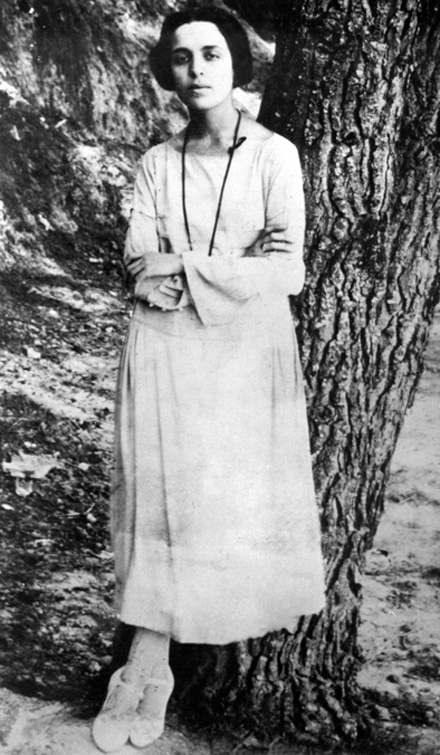
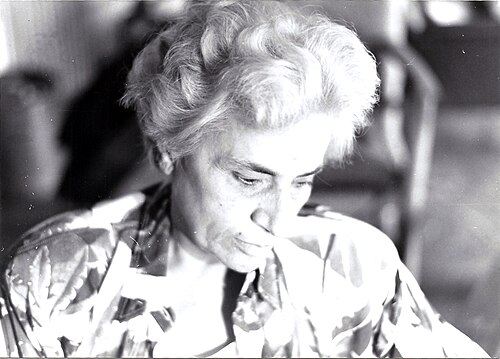
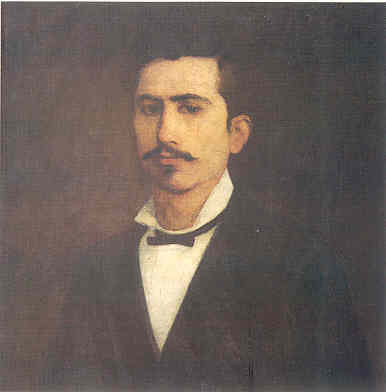
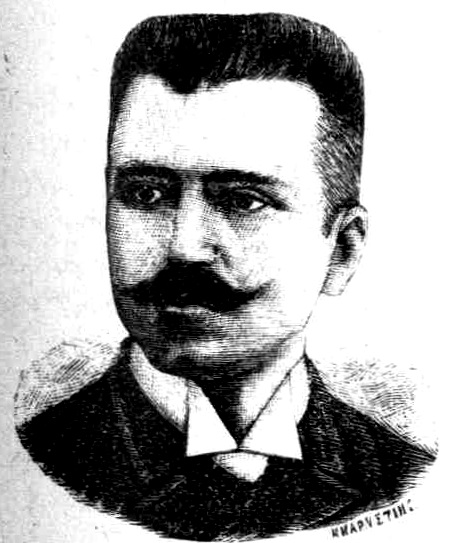
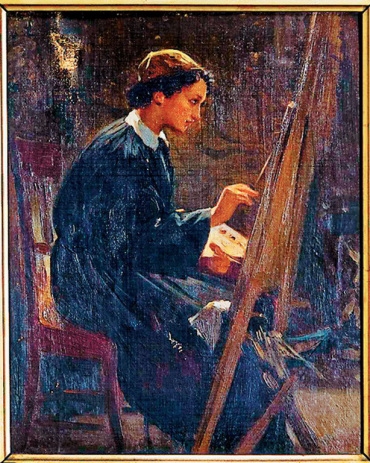
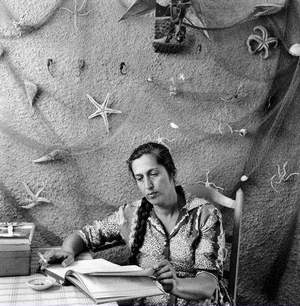
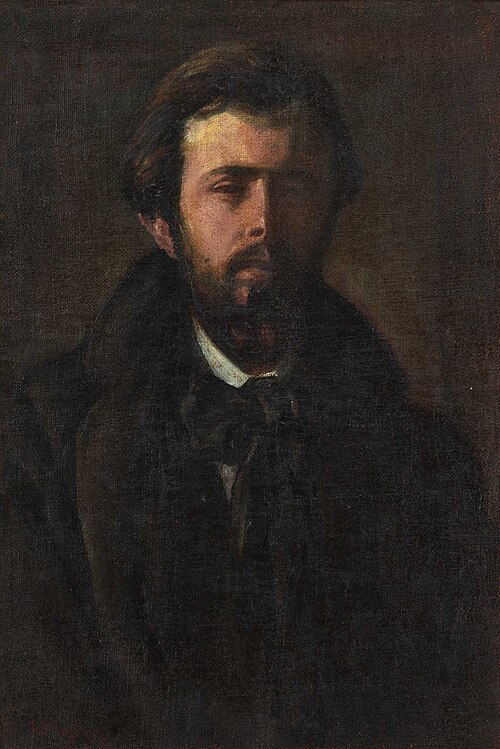
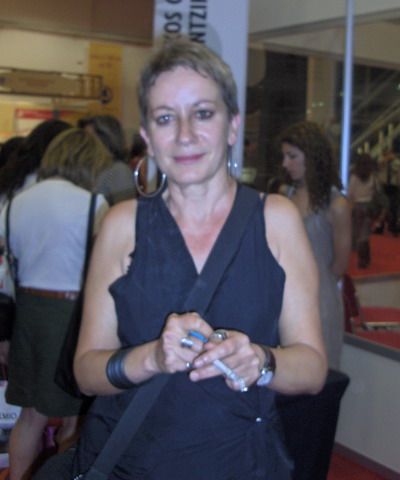
Chatzimichali grew up in Athens and attended the Hill School. She studied painting with Georgios Roilos and Emmanouil Ioannidis, developing drawing skills that would serve her documentation of objects and decoration. Her research moved beyond individual artworks towards the material surroundings of everyday life: clothing, woven cloth, woodwork and the organisation of a home. She travelled to communities, recorded techniques and gathered objects, treating their manufacture and use as subjects for sustained study. Long periods spent among Sarakatsani communities informed the research she began in the 1920s.
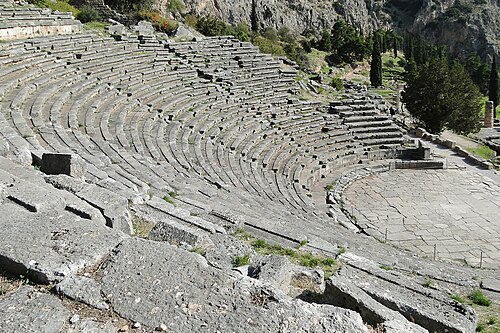
Her work also entered public exhibitions and craft education. The ELIA archive records her organisation of the Lyceum Club of Greek Women’s handicraft exhibition in 1921, a folk-art exhibition at the Delphic Festival in 1927 and the Thessaloniki International Fair’s folk-art pavilion in 1928. She supported workshops and training initiatives that connected craft knowledge with production. Correspondence preserved in her archive traces relationships with cultural and educational organisations. The Academy of Athens awarded her a silver medal in 1956 for her contribution to the study of folk art. She died in Athens in 1965, leaving publications, drawings, collections and a network of people involved in studying and sustaining craft.
Works

Ελληνική λαϊκή τέχνη: Σκύρος (Greek Folk Art: Skyros, 1925) studies the island’s house and handmade objects, including textiles, embroidery and dress. Drawings help readers see the relationship between an object’s form and its setting. The Faltaits Museum preserves material associated with this work and records Chatzimichali’s links with its founders. Υποδείγματα ελληνικής διακοσμητικής (Models of Greek Decoration, 1929) brings decorative forms into an organised visual repertory. It makes patterns available for comparison, study and further craft practice.
The 1931 Ελληνική λαϊκή τέχνη: Ρουμλούκι, Τρίκερι, Ικαρία (Greek Folk Art: Roumlouki, Trikeri, Ikaria) extends attention across distinct local settings. Her descriptions connect house, costume and techniques rather than treating an ornament as an isolated shape. Σαρακατσάνοι (Sarakatsani), whose first volume appeared in two parts in 1957, grew from decades of field research. It examines pastoral mobility, domestic life, social organisation and material culture. Her interpretations belong to the cultural questions of her period, especially the search for connections within Greek tradition. The detailed records remain useful while allowing later readers to ask new questions about makers, regional variation and change. The people who made and used objects are central to understanding the objects themselves.
Legacy in Greece today
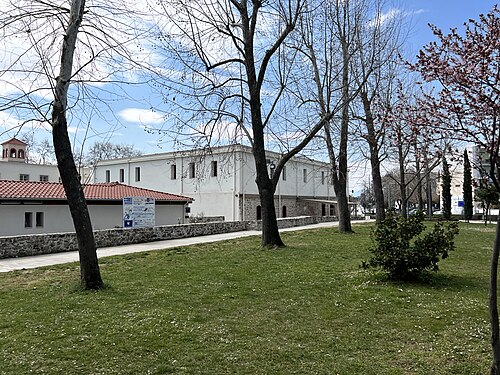
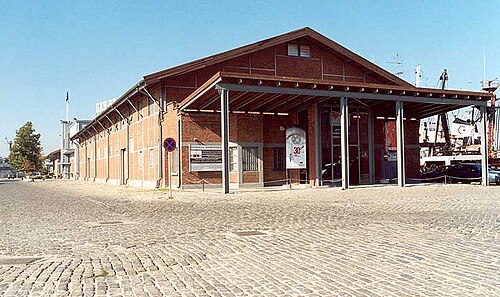
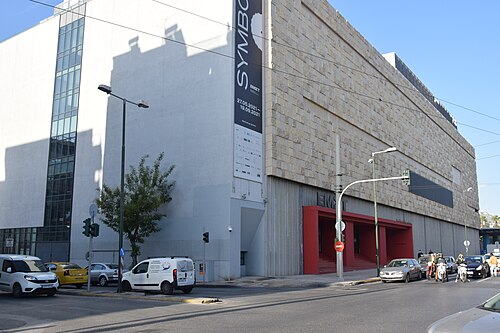
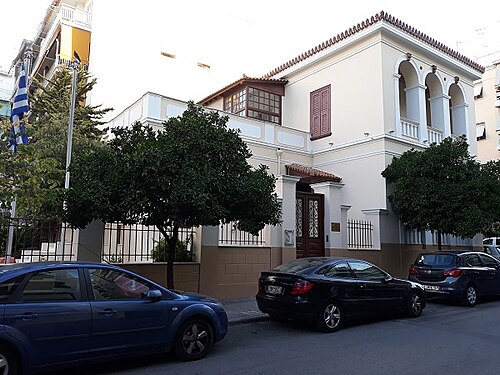
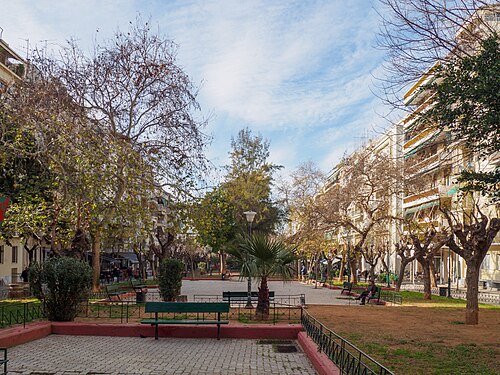
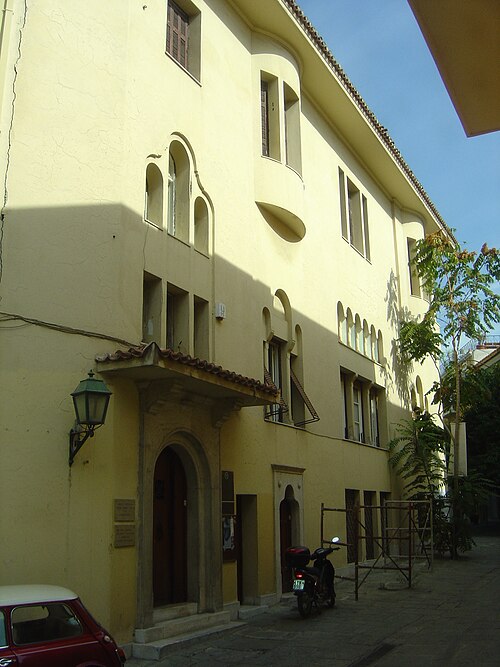
The Museum of Folk Art and Tradition “Angeliki Chatzimichali” has operated in her Plaka house since 1980. Designed by Aristotelis Zachos, the building joins architectural and decorative traditions with an interwar urban home. Its collection and exhibitions offer a route into the vocabulary of materials, making and everyday use.
Read the graded passage, then choose a museum image of a textile or wooden object. Name ύφασμα, κέντημα or ξύλο and write two sentences: what is it made of, and how is it used? Compare two σχέδια and identify one repeated shape. Her short quotation introduces the term λαϊκή τέχνη, “folk art.” The B1 exercise uses supported Modern Greek descriptions; specialised craft terms can be added gradually.
Did you know?
- Her painting training helped her record decorative forms.
- Her Sarakatsani research began decades before the 1957 publication.
- Her Plaka home became the museum associated with her name.
Key works
| Greek title | Title | Year |
|---|---|---|
| Ελληνική λαϊκή τέχνη: Σκύρος | Greek Folk Art: Skyros | 1925 |
| Υποδείγματα ελληνικής διακοσμητικής | Models of Greek Decoration | 1929 |
| Ελληνική λαϊκή τέχνη: Ρουμλούκι, Τρίκερι, Ικαρία | Greek Folk Art: Roumlouki, Trikeri, Ikaria | 1931 |
| Σαρακατσάνοι, τόμος Α΄ | Sarakatsani: volume I, parts I–II | 1957 |
A line to remember
Η λαϊκή μας τέχνη είναι μια από τις γνήσιες εκδηλώσεις της ψυχής του λαού
I laikí mas téchni eínai mia apó tis gnísies ekdilóseis tis psychís tou laoú
Our folk art is one of the genuine expressions of the people’s soul.