Life
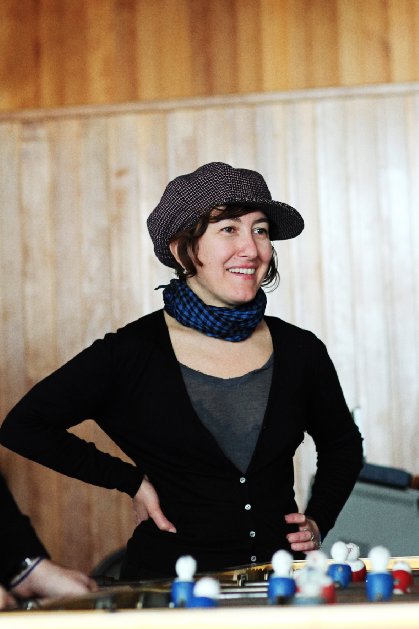
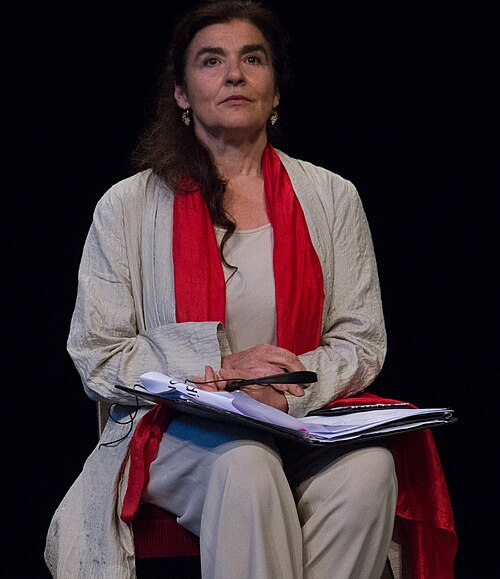
Papakonstantinou studied graphic arts at the Doxiadis Athens Technological Institute in 1962–1965, followed by the preparatory year at the Athens School of Fine Arts. She moved to London in 1966 and studied at Loughton College of Art and Maidstone College of Art. In England she began making performances and performance films during a period of experimental artistic exchange.
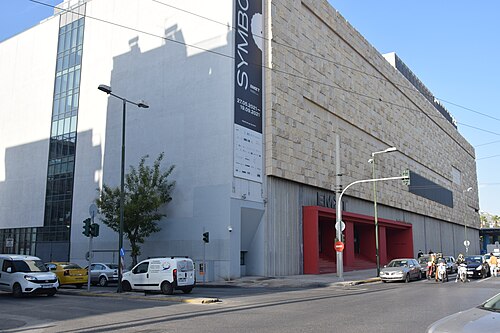
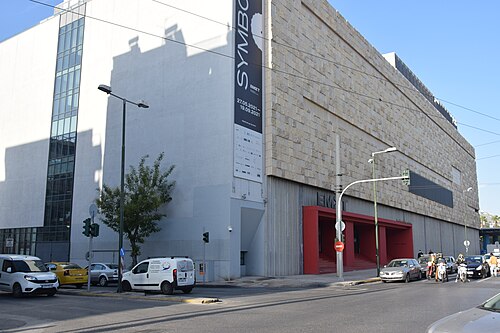
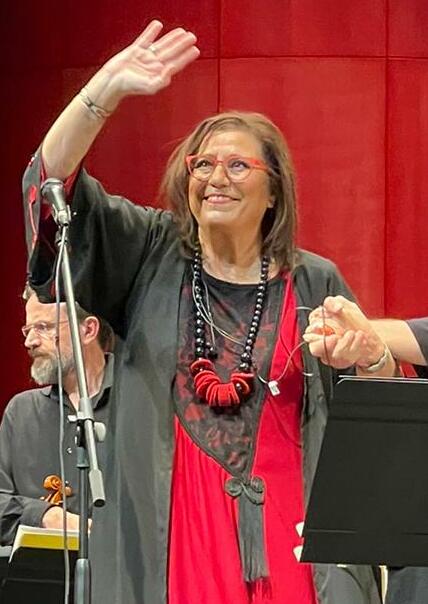
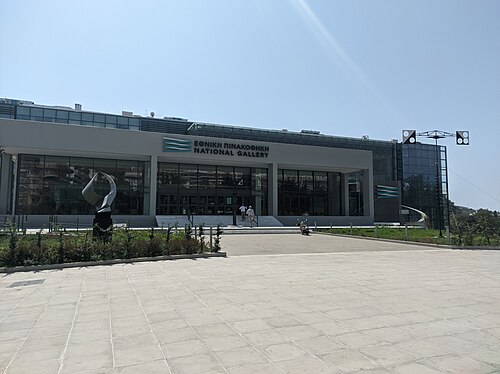
She returned to Greece in 1971 after completing her studies. Her first solo exhibition, An Environment, took place at the Ora artistic centre in Athens in 1974. From 1975 to 1979 she developed the Spetses Theatre, a community project involving island residents alongside artists. Collaboration and everyday experience thus entered her work beyond the conventional gallery. Later presentations included the São Paulo Biennial in 1989 and the first Thessaloniki Biennale in 2007. A 2006 presentation in Thessaloniki surveyed her performance, film and video work from 1969 to 2004. EMST’s retrospective Time in My Hands in 2023–2024 brought different strands together. Her interview comments about intellectual activity being work help place artistic labour, rather than a casual pastime, at the centre of this long career.
Works

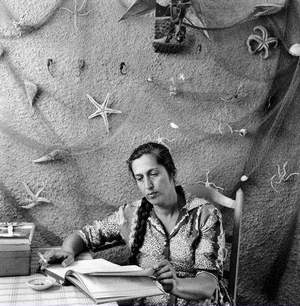
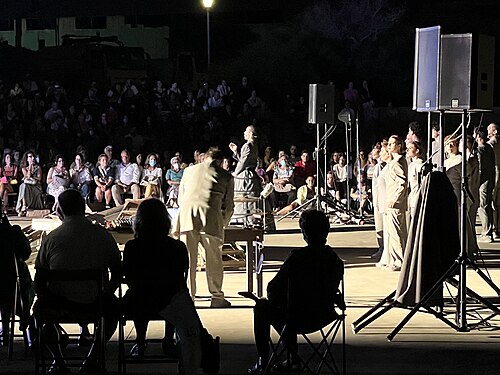
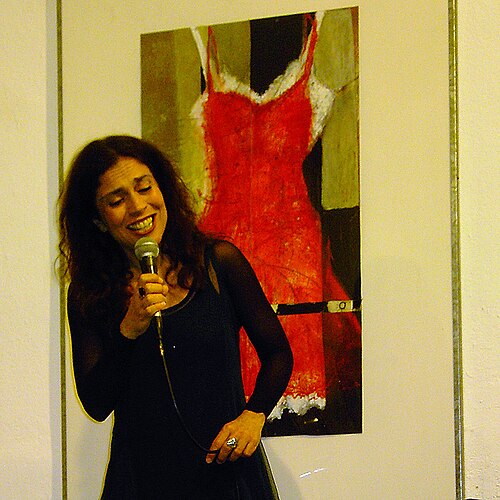
Her early performances made the body a site of artistic inquiry into identity and social relationships. Deaf and Dumb, 1971, was presented at Maidstone College of Art and in London public spaces. The museum’s documentation preserves its historical title and photographs. An Environment, 1974, and the Spetses Theatre project show how space and participation could become part of an expanded artistic practice. A live event and a later photograph provide different encounters with that practice.
Her material works develop other kinds of presence. Large Liquid, 1991, from the Liquid Forest series, is a wall installation of twelve parts using black tar, aluminium, wood and pencil. Material weight and surface become elements of the encounter. Posidonias I–VIII, 2018, uses seagrass and gauze. The fragile organic material places ecological vulnerability within an ordered visual structure. EMST records the series as part of her sustained exploration of human relationships with the natural world. Across performance, video, painting and installation, memory is carried by bodies, materials and documentation. The work asks how an experience takes form, who shares it and what remains when an action has ended.
Legacy in Greece today
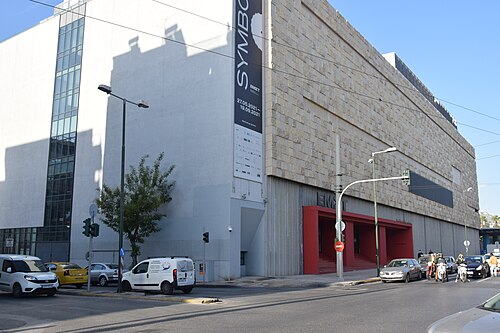
EMST’s collection and its 2023–2024 retrospective provide documented routes into her work. The Spetses Theatre also connects experimental art with collective cultural activity outside a major city. Museum records help distinguish an original event from the images and objects that preserve its traces.
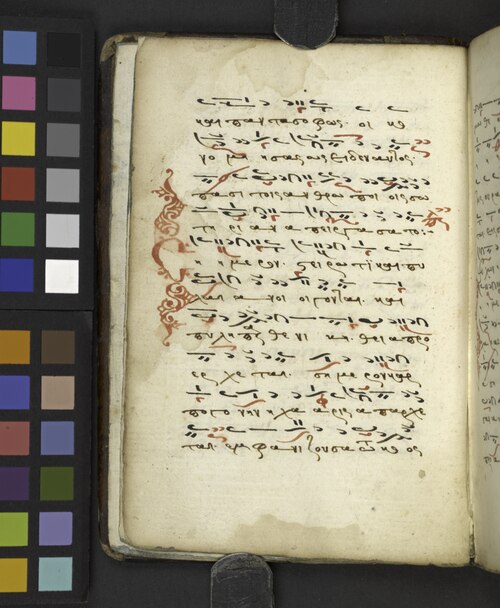
Use the page’s own Greek exercise: close a notebook, wait half a minute and open it. Write what you did and πόσο διήρκεσε. Compare your recollection with another participant’s, then explain the difference between δράση and καταγραφή. This is a language activity you can do immediately. B1 describes the graded Modern Greek text and supported past-tense descriptions; the original interview supplies a short encounter with her spoken Greek about artistic work.
Did you know?
- She returned from England to Greece in 1971.
- The Spetses Theatre project involved local residents in 1975–1979.
- Posidonias I–VIII uses seagrass and gauze.
Key works
| Greek title | Title | Year |
|---|---|---|
| Κωφάλαλη — περφόρμανς | Deaf and Dumb — performance | 1971 |
| Ένα περιβάλλον — ατομική έκθεση | An Environment — solo exhibition | 1974 |
| Σπετσιώτικο Θέατρο — κοινοτικό εγχείρημα | Spetses Theatre — community project | 1975–1979 |
| Μεγάλο Υγρό | Large Liquid | 1991 |
| Ποσειδωνίες I–VIII | Posidonias I–VIII | 2018 |
A line to remember
Σαν να μη θεωρείται εργασία η διανοητική απασχόληση.
San na mi theoreítai ergasía i dianoitikí apaschólisi.
As if intellectual activity were not considered work.