Life
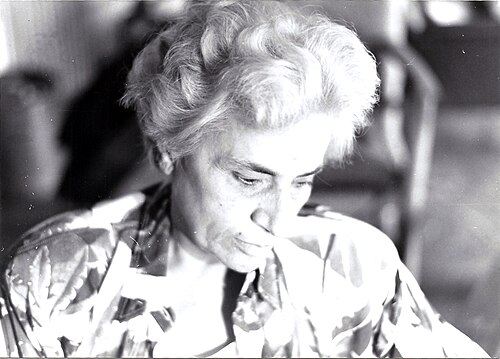
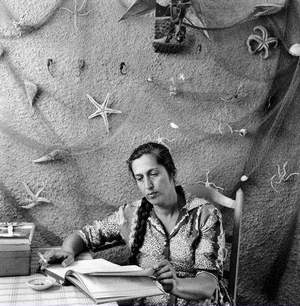
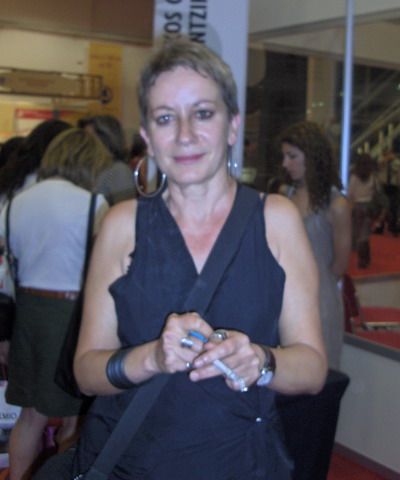
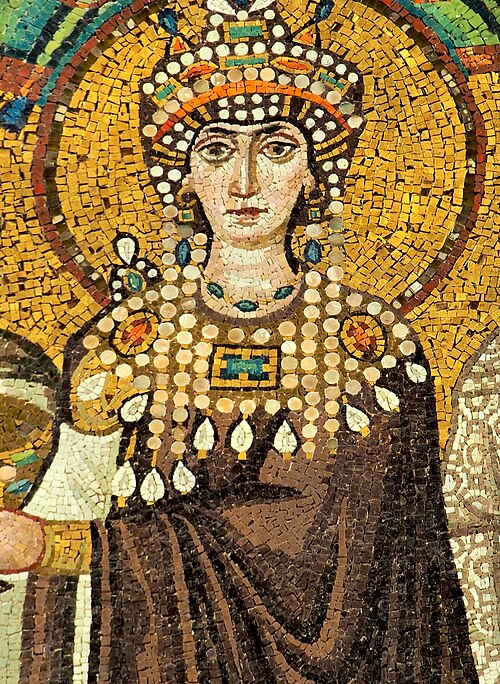
Papaspyrou studied painting and mosaic at the Athens School of Fine Arts, then continued her artistic education in Paris during the 1960s. Her first solo exhibition, in Paris in 1966, presented mosaics. After returning to Athens, she showed work at Astor Gallery in 1967. Glass, metal and other materials gradually extended the possibilities of the mosaic surface and led towards a broader investigation of matter.
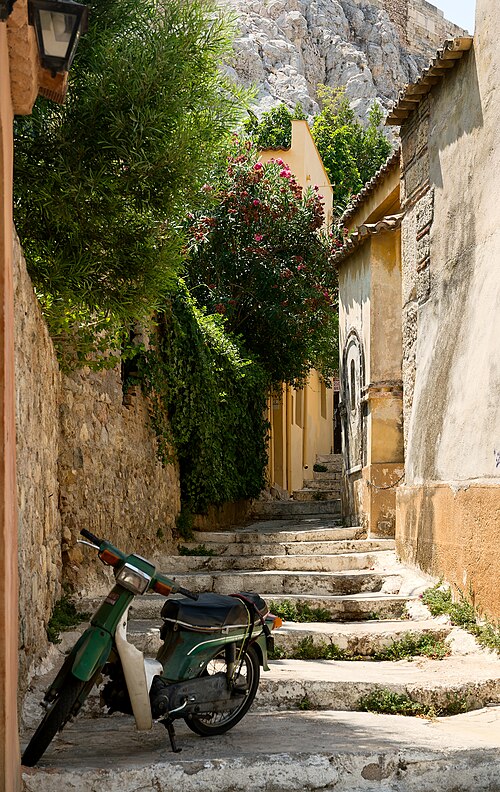
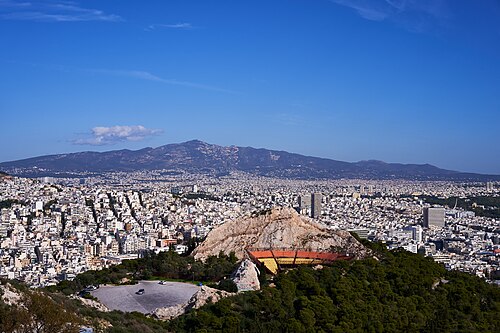
Athens became a continuing field of observation. Ordinary walls, pavements and discarded materials offered surfaces bearing the effects of weather, use and human activity. The Desmos gallery provided an important setting for her work in the 1970s and 1980s. Teaching developed alongside exhibitions: after working at the architecture school of the National Technical University of Athens, she began teaching at the Athens School of Fine Arts in 1978. She directed its Third Painting Studio from 1993 to 2005 and became professor emerita in 2006. The artist’s website records the long development of individual series through texts and installation photographs. Her career connects studio research, education and attention to an urban environment that people often pass without noticing.
Works

Her work turns the material surface, with its accumulated marks of use, into an active source of images. In Stilponos 7, an action and exhibition in 1979, the removal of wall surfaces made the city’s material fabric part of artistic presentation. Photocopies Directly from Matter, dated 1980–1982 in the EMST collection, contains 291 photocopies. Objects were copied separately or together; the artist’s hand and face also entered the archive. The related 1982 Desmos exhibition organised samples from the urban landscape.
In Associative Images, developed in 1989–1994, mosaic floor tiles offered marks in which an eye might recognise animals, heads, trees or other forms. Light interventions guided that recognition while preserving the existing surface. Her statement describes a movement between looking, imagining and drawing. Later work continued to investigate hidden aspects of familiar surroundings. Vryaxidos 11 and Aspasias: The Unknown Side, presented at Onassis Stegi in 2021–2022, used detached surfaces from a house in Pangrati to reveal the less visible side of its walls. The works ask viewers to notice layers and traces that carry both physical history and possibilities for personal association.
Legacy in Greece today
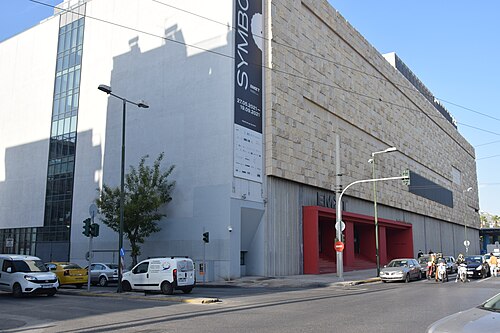
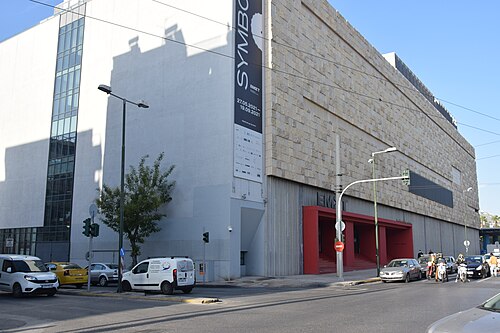
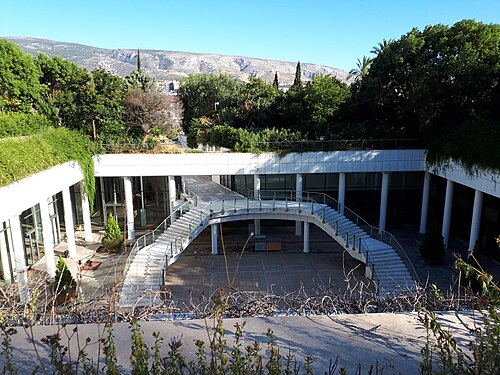
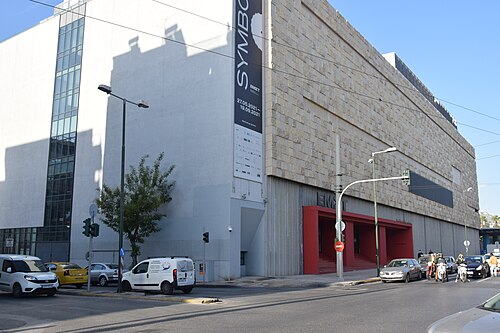
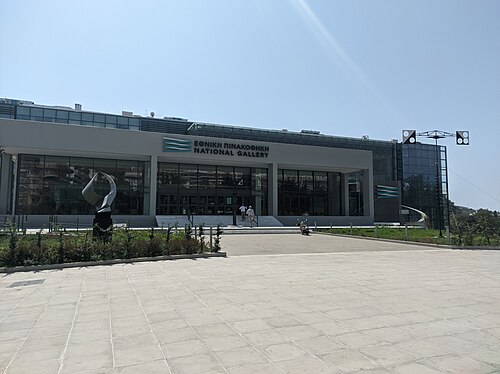
Her teaching and museum collections connect this work with Greek art education. EMST holds Photocopies Directly from Matter, while the National Gallery’s 2023–2024 exhibition Surfaces, Instructions for Use brought her research into dialogue with its building and the city. These records offer specific starting points for exploring her practice.
For immediate Greek practice, use an ordinary sheet of paper or piece of wood at home. Describe its surface with λεία or τραχιά, then separate «βλέπω μια γραμμή» from «μου θυμίζει ένα ποτάμι». One reports an observation; the other expresses an association. Write one sentence of each kind. The B1 passage supplies these phrases, and the original Greek statement adds a supported encounter with her artistic vocabulary.
Did you know?
- She directed the Third Painting Studio at the Athens School of Fine Arts from 1993 to 2005.
- The EMST photocopy work contains 291 sheets.
- Associative Images draws upon existing marks in mosaic floor tiles.
Key works
| Greek title | Title | Year |
|---|---|---|
| Στίλπωνος 7 — δράση και έκθεση | Stilponos 7 — action and exhibition | 1979 |
| Φωτοτυπίες απευθείας από την ύλη | Photocopies Directly from Matter | 1980–1982 |
| Δειγματολόγια από το τοπίο της πόλης — έκθεση | Samples from the Urban Landscape — exhibition | 1982 |
| Συνειρμικές εικόνες — σειρά | Associative Images — series | 1989–1994 |
| Βρυάξιδος 11 και Ασπασίας: Η άγνωστη όψη | Vryaxidos 11 and Aspasias: The Unknown Side | 2021 |
A line to remember
Πάνω σε κάθε επιφάνεια ύλης τα στοιχεία που τη συγκροτούν δημιουργούν σχήματα, στα οποία το μάτι αναγνωρίζει απλές εικόνες.
Páno se káthe epifáneia ýlis ta stoicheía pou ti synkrotoún dimiourgoún schímata, sta opoía to máti anagnorízei aplés eikónes.
On every material surface, its constituent elements create shapes in which the eye recognises simple images.