Life
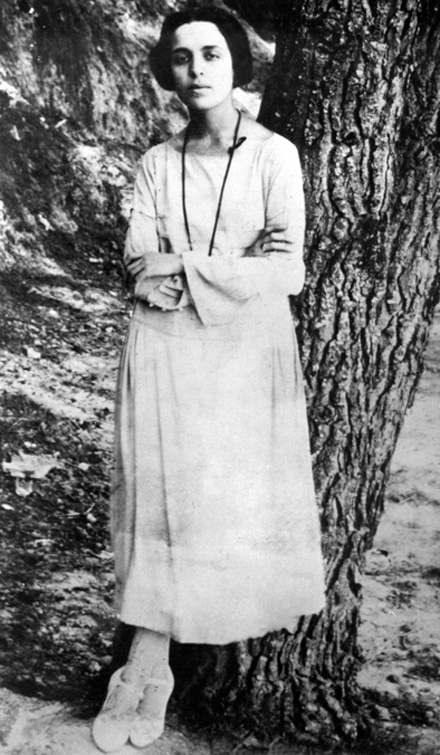
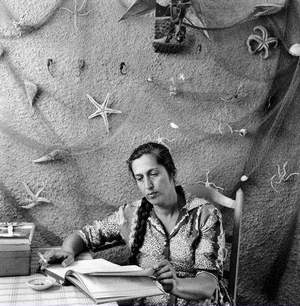
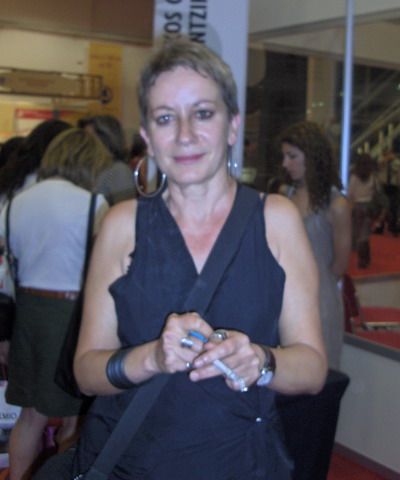
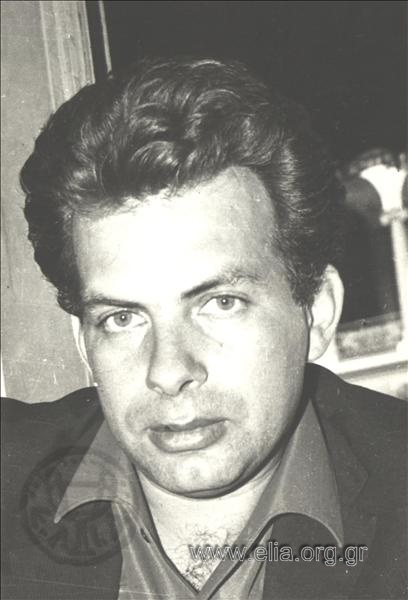
Manou trained with Koula Pratsika and studied piano with Polyxeni Matey. Further study in Paris and Munich broadened her education in dance, rhythm and music. In New York she encountered Martha Graham’s teaching, which became another important reference for her artistic development. Returning to work in Greece, she taught and created a school of her own. Her practice developed across education, choreography and performance, with rehearsal providing a space where different artistic ideas could meet.
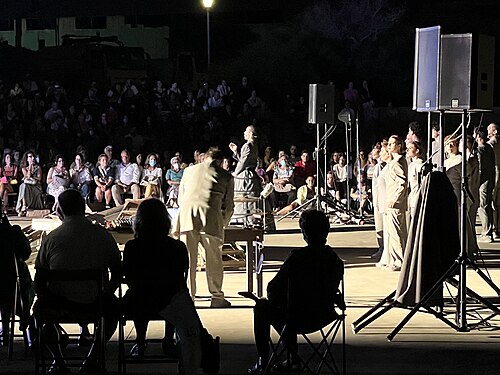
The Greek Choreodrama was established as an association in January 1951. It grew from collaborations already under way, including Marsyas in 1950, and aimed to create a distinctive theatrical dance art using Greek cultural materials. Manou worked with composers such as Manos Hadjidakis and Mikis Theodorakis, and artists including Yannis Tsarouchis, Yannis Moralis and Nikos Hadjikyriakos-Ghika. Their contributions helped shape sound, space, colour and movement together. She directed the company until her death in 1988, presenting work in Greece and abroad. This sustained organisation gave dancers experience in ensemble work and offered composers and designers a shared theatrical setting. Her professional history therefore includes the making of individual productions and the continuing effort required to keep a collaborative company at work.
Works

Marsyas (1950), with music by Manos Hadjidakis, helped prepare the ground for the company. The Cursed Serpent and Six Popular Pictures followed in 1951. The former drew on the Karagiozis shadow-theatre world, while the latter brought Hadjidakis’s treatment of popular melodies into choreographic form. These were new stage interpretations, joining different artistic practices around familiar cultural material. A production’s choreography, score and visual design each contributed to the result.
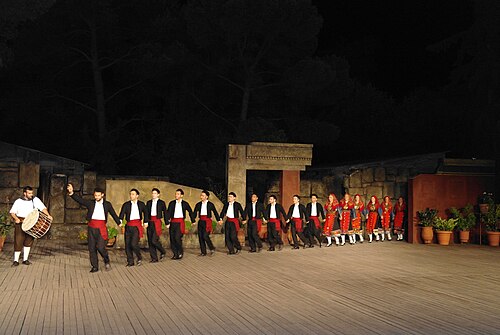
Greek Carnival, staged in 1954, developed collaboration with Mikis Theodorakis. The music’s relationship to popular tradition became part of a theatrical production with choreography by Manou and design by Spyros Vassiliou. Medea (1958) illustrates the company’s continuing engagement with ancient dramatic subjects. Later collaborations extended the repertoire: the composer Nikos Kypourgos preserves Manou’s programme note for En Athinais, a work concerned with images and memories of Athens. Her language there moves between lived experience and imagination. An archive catalogue published by the University of Athens records programmes, choreographic material, photographs, costume and stage-design documents. These traces reveal how a performance was made collectively, and how its history can be studied after the dancers have left the stage.
Legacy in Greece today
Manou’s contribution lies in sustaining a company where dance, composition and visual art could shape one production together. The Greek Choreodrama’s programmes and archival materials preserve those relationships. Her short quotation comes from a written programme note about memories of Athens, reproduced by collaborating composer Nikos Kypourgos.
Read the graded passage and the Greek Carnival paragraph on this page. Identify Manou’s choreography, Theodorakis’s music and Vassiliou’s visual design. Write three Greek sentences explaining these contributions, using συνεργάζομαι and συνδυάζω to connect the roles. Then describe an imagined rehearsal decision involving movement, colour or sound. Programme credits in a digital archive offer an optional further reading task. The performance communicates through dance; B1 describes this supported Modern Greek activity.
Did you know?
- The Greek Choreodrama association was founded in January 1951.
- She collaborated with composers and visual artists.
- Her archive includes programmes, designs and choreographic material.
Key works
| Greek title | Title | Year |
|---|---|---|
| Μαρσύας — χορογραφία | Marsyas — choreography | 1950 |
| Το καταραμένο φίδι — χορογραφία | The Cursed Serpent — choreography | 1951 |
| Έξι λαϊκές ζωγραφιές — χορογραφία | Six Popular Pictures — choreography | 1951 |
| Ελληνική Αποκριά — χορογραφία | Greek Carnival — choreography | 1954 |
| Μήδεια — χορογραφία | Medea — choreography | 1958 |
A line to remember
Κάποτε δεν ξέρουμε πού είναι ο μύθος και πού η πραγματικότητα
Kápote den xéroume poú eínai o mýthos kai poú i pragmatikótita
Sometimes we do not know where myth is and where reality is.