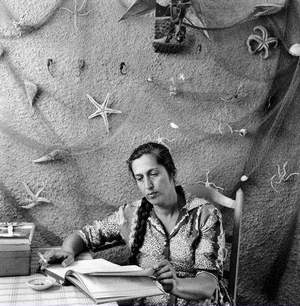
Life
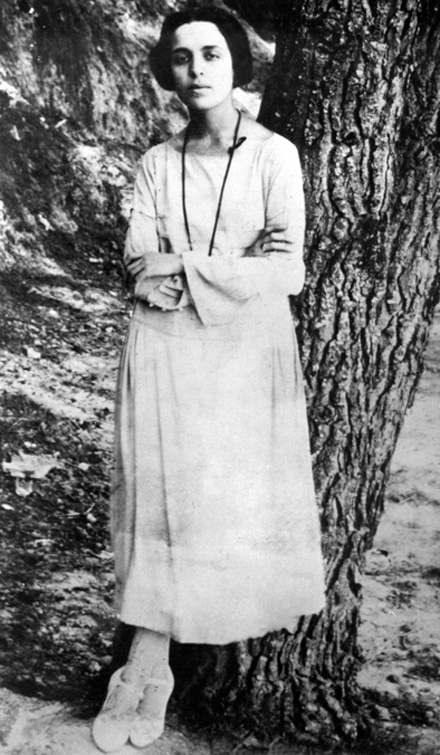
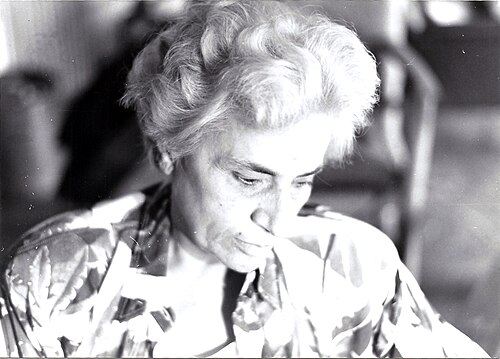
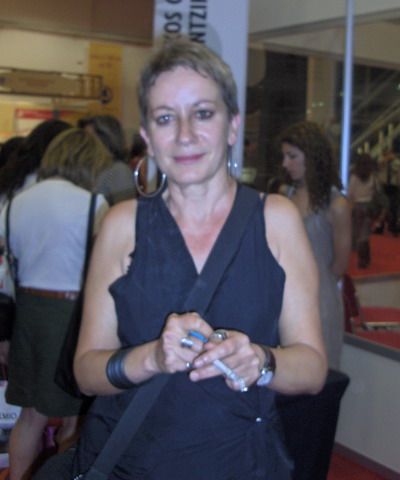
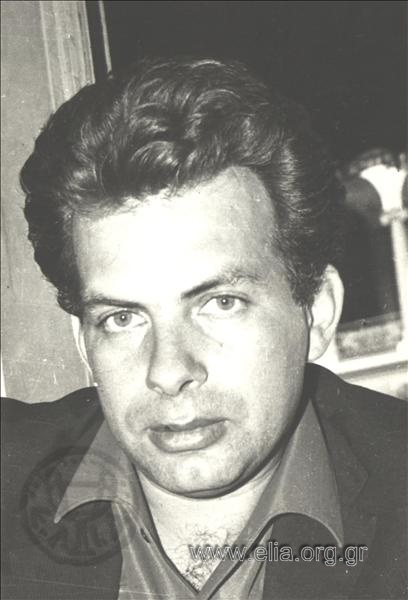
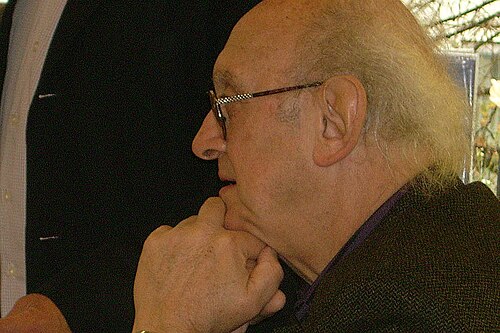
Vakalo, born Eleni Stavrinou, grew up in Athens. She studied archaeology at the University of Athens and attended art-history courses at the Sorbonne in Paris. Poetry and the visual arts developed together in her working life. Her first collection, Θέμα και παραλλαγές (Theme and Variations), appeared in 1945, following poems published in the literary press.
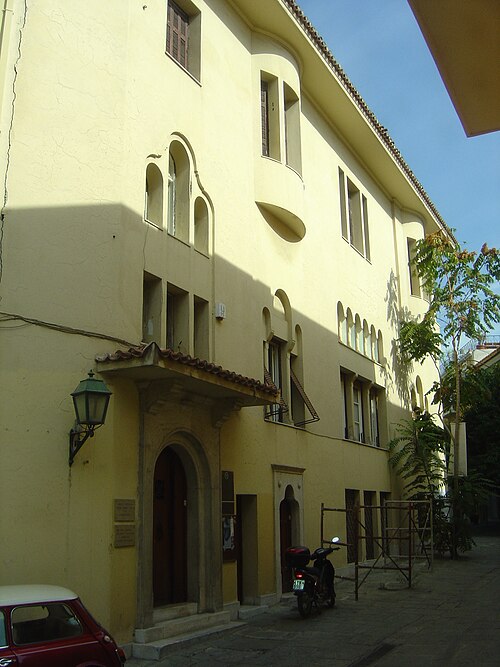
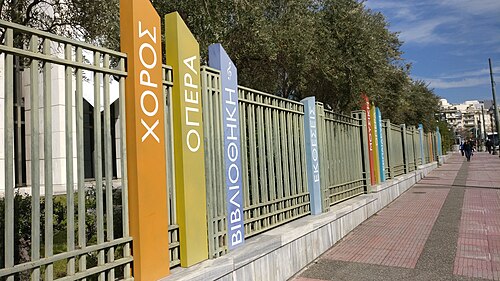
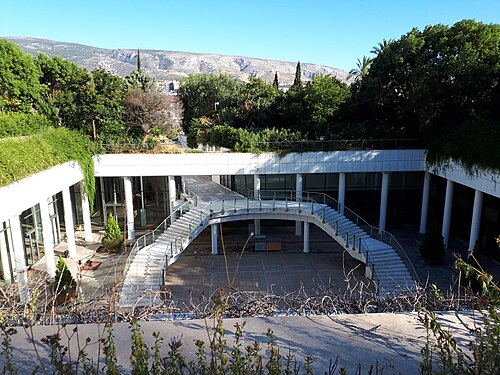
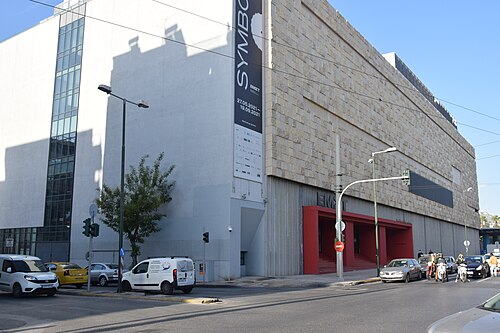
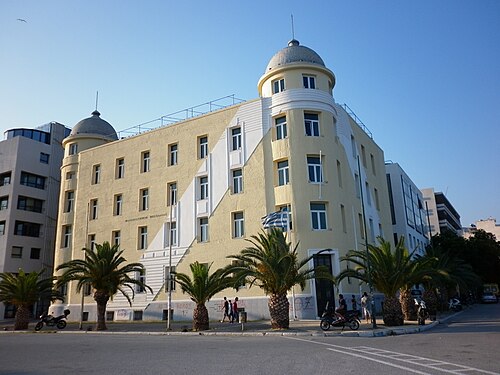
She wrote art criticism for Ta Nea and the magazine Zygos, discussing exhibitions and the changing language of painting and sculpture. In November 1958 she cofounded the Vakalo school with painter and stage designer Giorgos Vakalo, painter Panagiotis Tetsis and publisher Frantzis Frantziskakis. Teaching art history and visual perception gave her another way to connect analysis with the experience of looking. She remained involved in the school’s direction throughout her life.
The 1991 State Poetry Prize recognised Γεγονότα και ιστορίες της κυρα-Ροδαλίνας (Events and Stories of Mistress Rodalina). Her papers at Princeton preserve poetry manuscripts, lectures, essays, correspondence and notebooks, bringing her several fields of work into one archive. She died in Athens in 2001. The coexistence of published books, teaching and working drafts reveals a career built around attentive encounters with words, images and other people.
Works

Το Δάσος (The Forest), 1954, and Περιγραφή του Σώματος (Description of the Body), 1959, make landscape and bodily experience part of an experimental poetic language. Familiar nouns do not simply name stable objects: their relationships can shift as a passage develops. Her longer compositions ask readers to follow rhythm, voice and changing perspectives rather than expect a separate anecdote in every poem.
Του κόσμου (Of the World), 1978, includes “How a Bad Person Came to Be”, reproduced in the Greek school literature textbook. Its apparently simple narration follows pity turning into fear, self-justification and participation in violence. The fairy-tale manner sharpens a question about responsibility. The short quotation here belongs to this unfolding story, not to an autobiographical confession.
Her criticism also examined how people encounter art. Η φυσιογνωμία της μεταπολεμικής τέχνης στην Ελλάδα (The Character of Postwar Art in Greece), four volumes published in 1981–1984, studies the country’s changing artistic field. The Rodalina collection, 1990, and Το άλλο του πράγματος (The Other Side of the Matter), collected poetry from 1954–1994 published in 1995, show the continuing range of her literary work. Poetry and criticism share a concern with how attention shapes understanding.
Legacy in Greece today
Vakalo’s presence continues through her books, the school she cofounded and the poem included in Greek secondary education. Her archive also lets researchers study the writing and teaching behind the printed texts. For a learner, the supplied passage offers a small exercise in reading emotions as part of a sequence of choices.
Copy the model «Λυπήθηκα επειδή ήταν μόνος. Γι’ αυτό κάθισα δίπλα του». Underline the cause after επειδή and the consequence after γι’ αυτό. Then write a different helpful response using the second model in the passage. Read both aloud and compare the consequences. These are our own practice sentences; the poem’s troubling ending remains a separate literary choice. B1 describes the adapted Modern Greek reading and supported exercise.
Did you know?
- She worked in poetry, art criticism and education.
- The school’s own history dates its foundation to November 1958.
- Her poetry manuscripts and lectures are preserved at Princeton.
Key works
| Greek title | Title | Year |
|---|---|---|
| Το Δάσος | The Forest | 1954 |
| Περιγραφή του Σώματος | Description of the Body | 1959 |
| Του κόσμου | Of the World | 1978 |
| Η φυσιογνωμία της μεταπολεμικής τέχνης στην Ελλάδα | The Character of Postwar Art in Greece | 1981–1984 |
| Γεγονότα και ιστορίες της κυρα-Ροδαλίνας | Events and Stories of Mistress Rodalina | 1990 |
| Το άλλο του πράγματος: Ποίηση 1954–1994 | The Other Side of the Matter: Poetry 1954–1994 | 1995 |
A line to remember
Τόσο πολύ λυπήθηκε που ύστερα φοβήθηκε
Tóso polý lypíthike pou ýstera fovíthike
He felt such sorrow that afterwards he became afraid.