Life
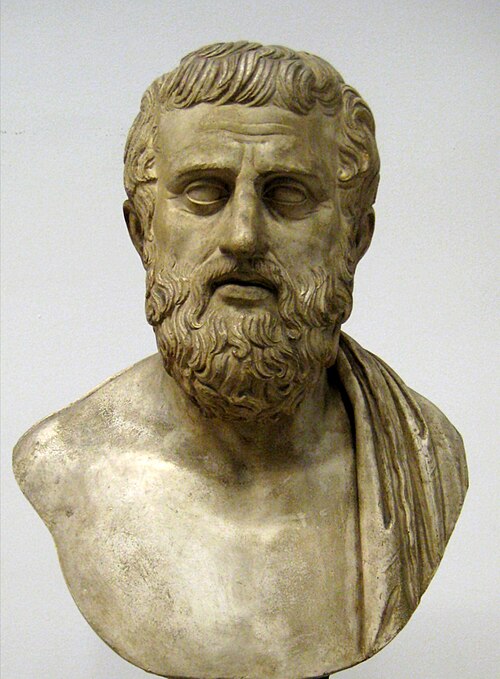
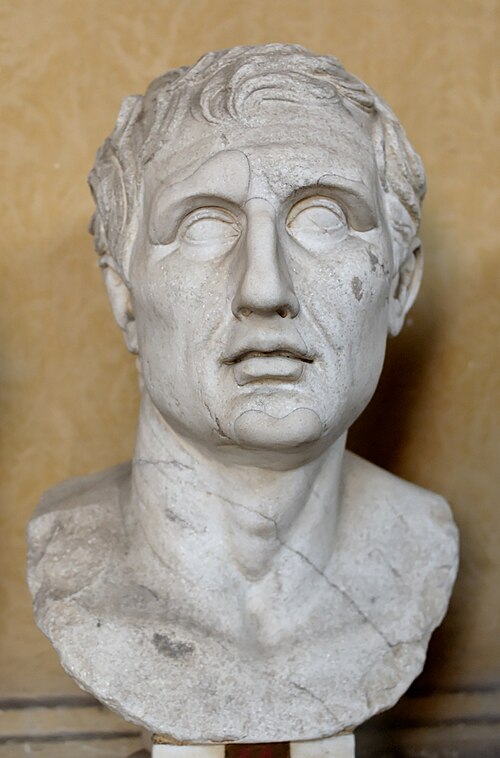
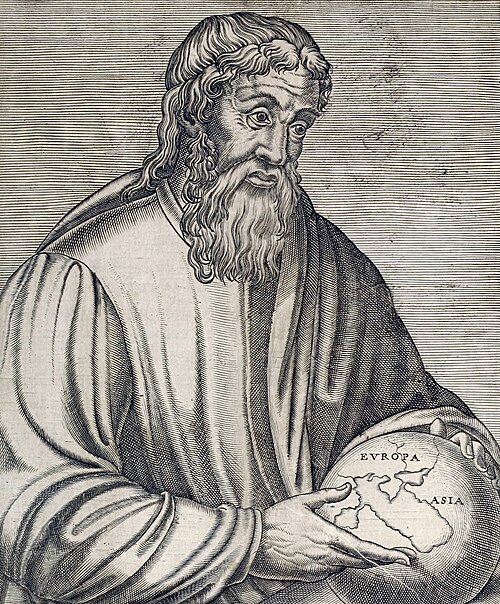
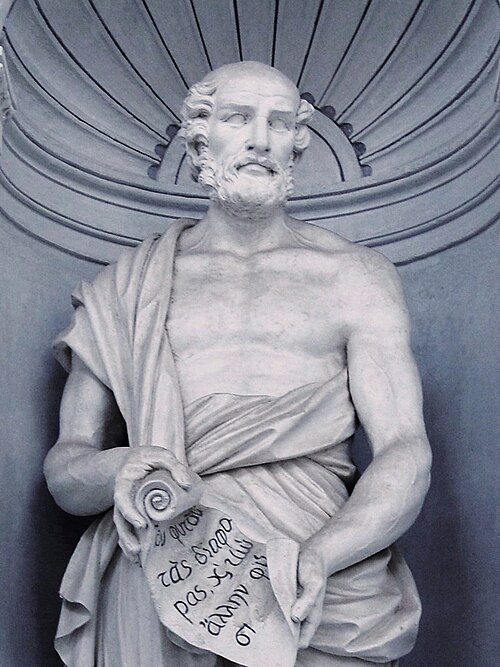
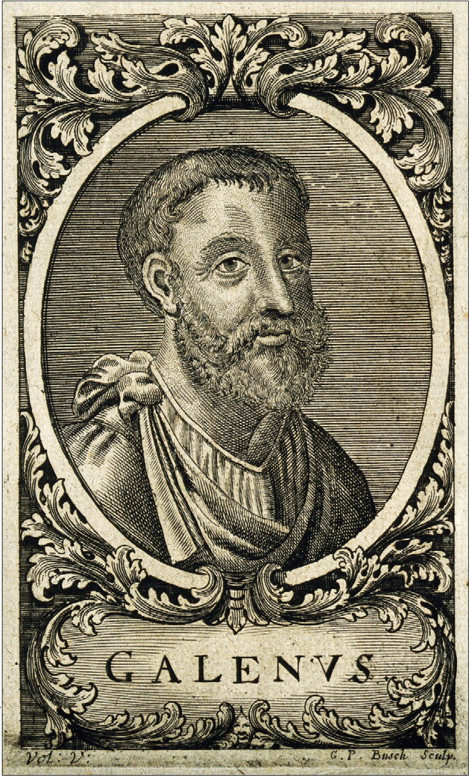
Galen was born in Pergamon, a culturally Greek city in Roman Asia, in AD 129. His father, an architect, supported a broad education in mathematics and philosophy before and alongside medical study. After his father’s death, Galen travelled to centres including Smyrna, Corinth and Alexandria to continue learning. He returned to Pergamon in 157 and worked as a physician to gladiators. That post connected the study of bodily structure with the demands of practice, although his own accounts also work to establish his authority.
He reached Rome in the early 160s, where public demonstrations, lectures and disputes helped build his reputation. After a return to Asia, he again served in Rome and became associated with the imperial court, including Marcus Aurelius. The exact year of his death is debated; scholarly accounts place it around 200–216. A fire in Rome in 192 destroyed valuable books and materials he owned. His later discussion of that loss reveals a reader, collector and writer as well as a physician. We know many details through his own prolific writings, but their strongly argumentative, sometimes self-promoting voice remains part of the evidence we need to interpret.
Works

Galen tried to bring observation, reasoning and textual study together. On the Usefulness of the Parts explains bodily structures through their functions; On the Doctrines of Hippocrates and Plato connects medicine with debates about the soul and reasoning. The Art of Medicine offers a condensed medical framework. Avoiding Distress examines how he faced the loss of books and possessions in the fire of 192. These titles show that his interests extended beyond a list of remedies.
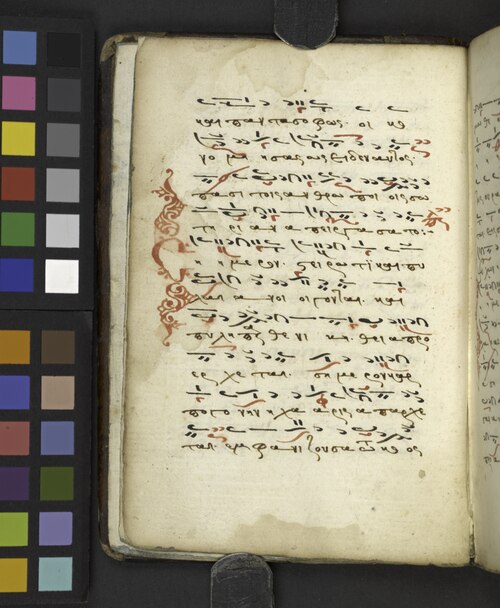
His anatomical research relied heavily on animals, and transferring those observations to human bodies produced errors alongside valuable findings. Ideas about bodily mixtures, qualities and humours belonged to an ancient explanatory system. They are historical theories, not instructions for diagnosing or treating someone today. Galen also argued that a good physician needed logic and ethical discipline. The quotation below concerns learning from Hippocrates while continuing inquiry; it is not a timeless guarantee that everything in an old medical book is correct. His works travelled through Greek manuscripts and translations, including Syriac, Arabic and Latin. Reading that transmission shows how scholarship could preserve, reinterpret and sometimes challenge an authority rather than merely repeat it.
Legacy in Greece today
Galen connects Greek language with a long history of describing bodies and asking how knowledge is justified. His Greek writing in the Roman world also reminds learners that ancient Greek culture was not confined to today’s national borders. The route into Modern Greek can begin with familiar, practical nouns rather than historical treatments.
Label a simple body illustration with σώμα, καρδιά and χέρι, then describe where each part is using βρίσκεται. Compare ancient ἰατρός with modern γιατρός and notice the surviving learned form in ιατρική. Finally, write one sentence about Galen’s research with εξέταζε or σημείωνε. This practises useful language while separating the history of medicine from present-day health guidance.
Did you know?
- He wrote medicine and philosophy in Greek while working under Roman rule.
- Many anatomical observations came from animals, which limited their transfer to humans.
- A Roman fire in 192 destroyed books he later discussed in Avoiding Distress.
Key works
| Greek title | Title | Year |
|---|---|---|
| Περὶ χρείας μορίων | On the Usefulness of the Parts | 2nd century AD |
| Περὶ τῶν Ἱπποκράτους καὶ Πλάτωνος δογμάτων | On the Doctrines of Hippocrates and Plato | 2nd century AD |
| Τέχνη ἰατρική | The Art of Medicine | 2nd–early 3rd century AD |
| Περὶ ἀλυπίας | Avoiding Distress | After AD 192 |
A line to remember
μανθάνοντας μὲν ὅσα καλῶς ἐκείνῳ γέγραπται, τὰ λείποντα δ' αὐτοὺς ἐξευρίσκοντας.
In today's GreekΜαθαίνοντας όσα εκείνος έγραψε σωστά και ανακαλύπτοντας μόνοι μας όσα λείπουν.
manthanontas men hosa kalōs ekeinō gegraptai, ta leiponta d’ autous exheuriskontas.
Learning what he wrote well, and discovering for ourselves what is missing.