Life
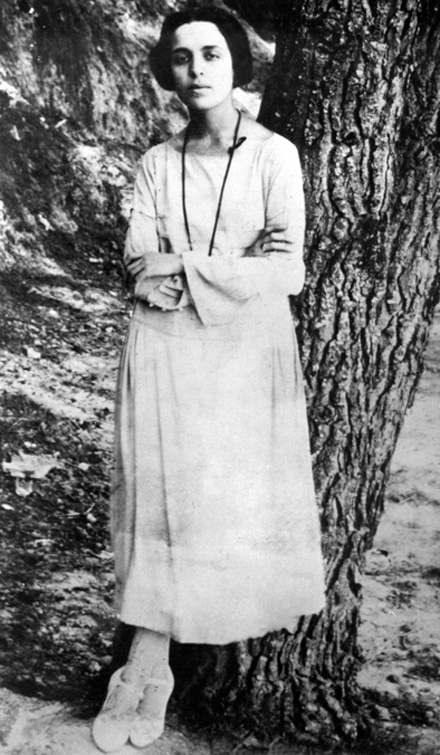
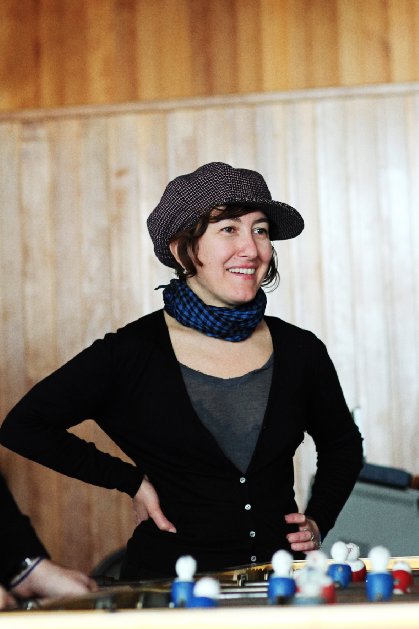
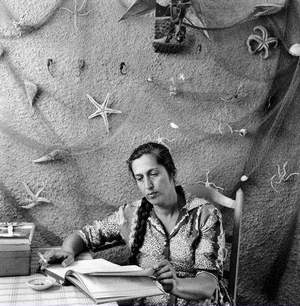
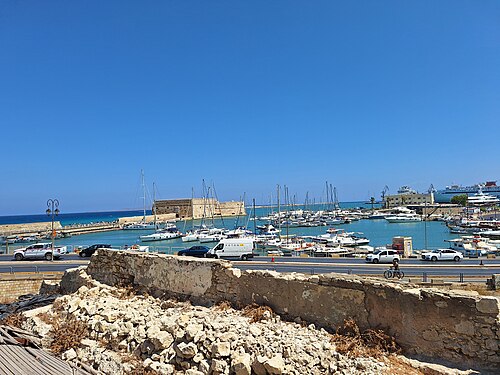
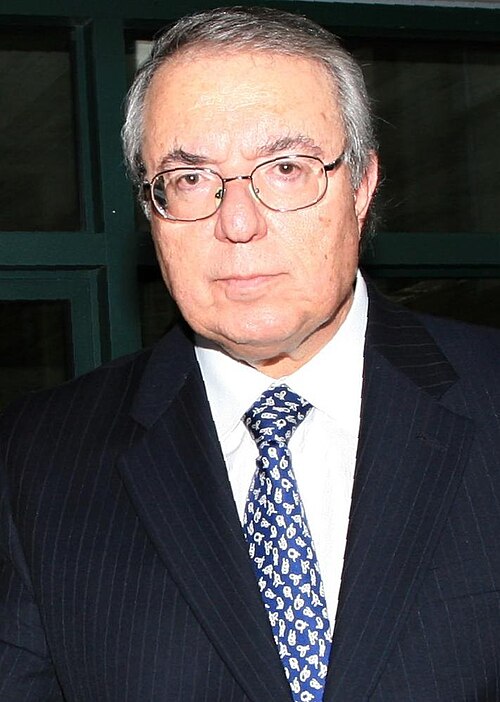
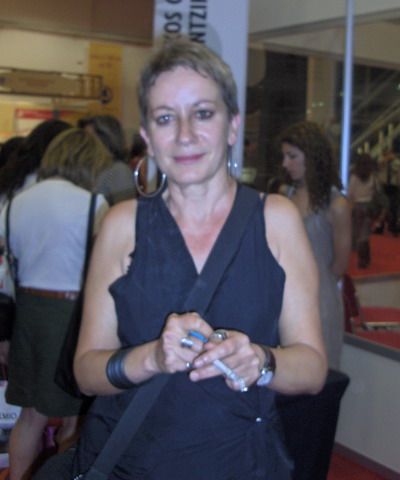
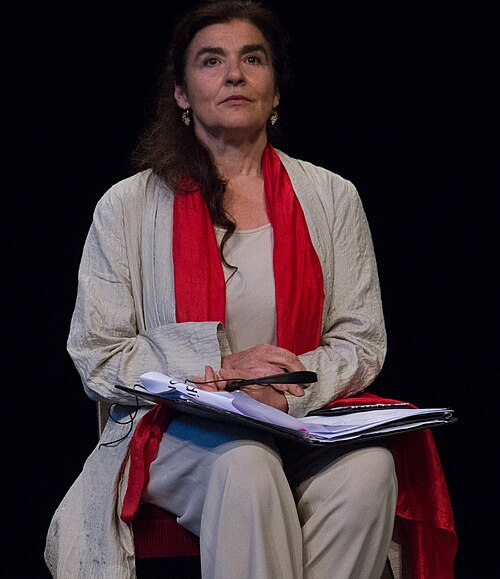
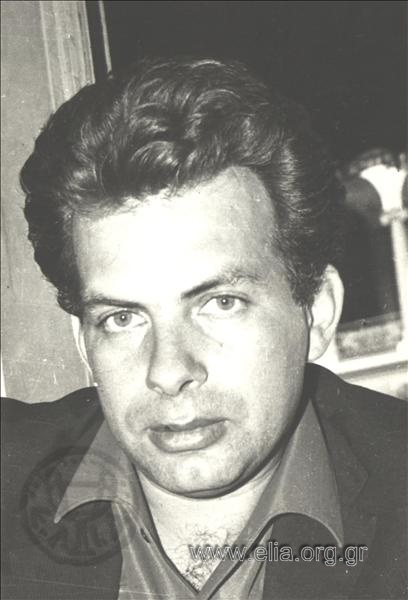
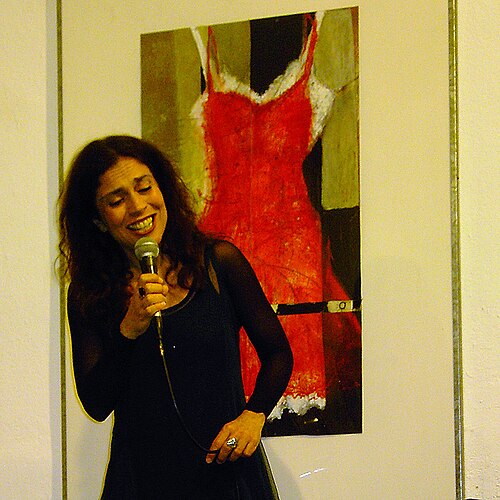
Ioanna Karystiani, also written Ioanna Karystiáni, was born in Chania, Crete, in 1952. She studied law and worked as a cartoonist and illustrator before becoming known for prose. Drawing and writing both belonged to her public artistic work; the move into fiction added extended stories and voices to a career already concerned with images. Her prose collection Η κυρία Κατάκη (Mrs Kataki) appeared in 1995.
Her first novel, Μικρά Αγγλία (Little England), followed in 1997 and received the State Novel Prize. The book established an international readership through translations and brought Andros's shipping world into a family narrative. Further novels include Σουέλ (Swell, 2006), Το φαράγγι (The Gorge, 2015) and Χίλιες ανάσες (A Thousand Breaths, 2018). Across these books she has developed different settings for stories of memory, attachment and the difficulty of speaking.
Karystiani also writes for cinema. She wrote the screenplay for Νύφες (Brides, 2004), directed by Pantelis Voulgaris, and adapted Little England for his film released in 2013. She also collaborated on the screenplay of Ψυχή βαθιά (Deep Soul, 2009). In a 2018 interview she described visits to schools to discuss poetry and prose, placing shared reading alongside the making of her own books.
Works

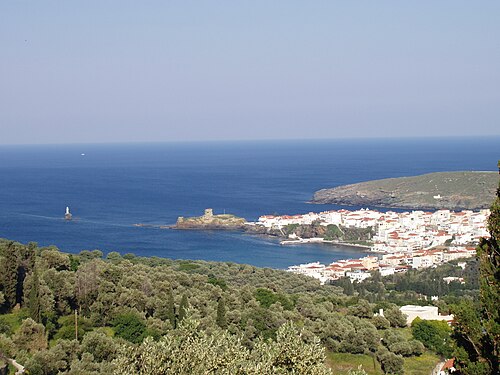
Μικρά Αγγλία (Little England, 1997) sets the sea's great distances beside the closeness of an Andros house. Orsa loves Spyros, but family decisions redirect their lives; when he marries her sister Mosha, a thin wooden division between floors makes sounds from upstairs part of the story below. Shipping connects the island to distant ports, while rooms, voices and footsteps make the emotional distance immediately physical.
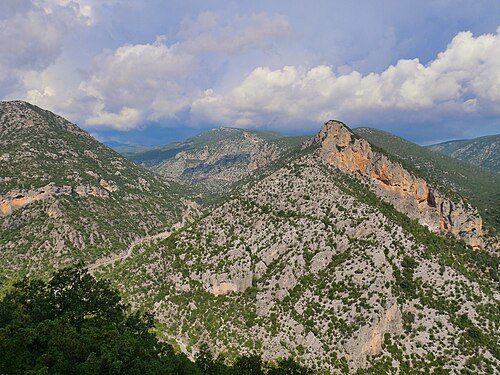
Σουέλ (Swell, 2006) moves aboard the ATHOS III, where a man long separated from land lives among memories and closely guarded secrets. The sea is a place of work and a shelter from return. Το φαράγγι (The Gorge, 2015) brings a group into the pressure of a long silence, while Χίλιες ανάσες (A Thousand Breaths, 2018) follows Pigi Vogiatzí through grief and the unsettling question of where she belongs.
Karystiani gives small places enough time for secondary characters to become significant. In her interview with Argyro Bozoni, she explains the patient search for the right word and the practice of reading a finished book aloud. Sound is therefore both material within her stories and a way of testing the prose. The novels invite attention to how a place is heard as well as seen.
Legacy in Greece today
Read the Greek publisher's description of Little England and sketch a simple house with two levels. Label the upper and lower rooms with πάνω and κάτω; add ο όροφος, το ταβάνι and η φωνή. Write four original Greek sentences about a person hearing a sound from another room, using από and στον or στην where appropriate. This is your imagined floor plan, inspired by the novel's setting. Read the sentences aloud, following Karystiani's stated habit, and listen for a missing article or an unclear location. The B1 passage supports this practical exercise in space, sound and Greek phrasing; the complete literary novel needs more sustained reading.
Did you know?
- She worked as a cartoonist before becoming known for prose.
- Little England was a novel in 1997 before becoming a film in 2013.
- She wrote the screenplay adaptation of her own novel.
- She has described reading a finished book aloud to hear its characters.
Key works
| Greek title | Title | Year |
|---|---|---|
| Μικρά Αγγλία | Little England | 1997 |
| Σουέλ | Swell | 2006 |
| Το φαράγγι | The Gorge | 2015 |
| Χίλιες ανάσες | A Thousand Breaths | 2018 |
A line to remember
Όταν τελειώσω το βιβλίο, το διαβάζω δυνατά
Otan teleioso to vivlio, to diavazo dynata
When I finish the book, I read it aloud.