Life
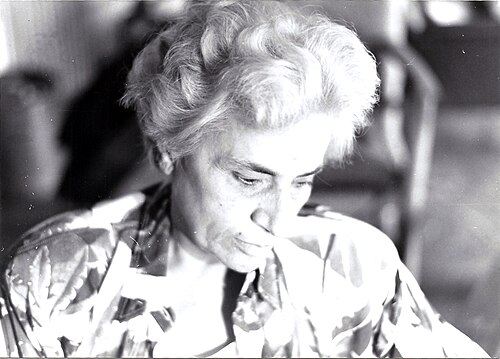
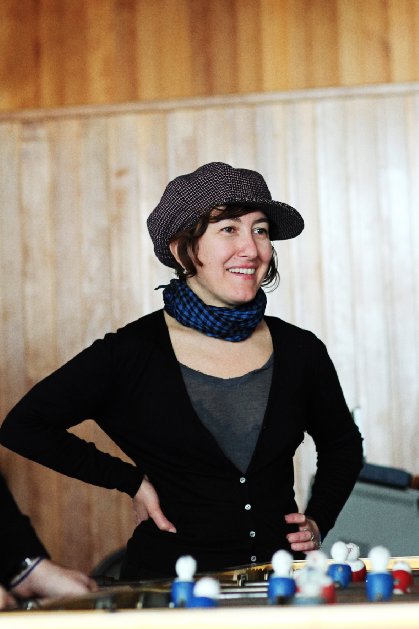
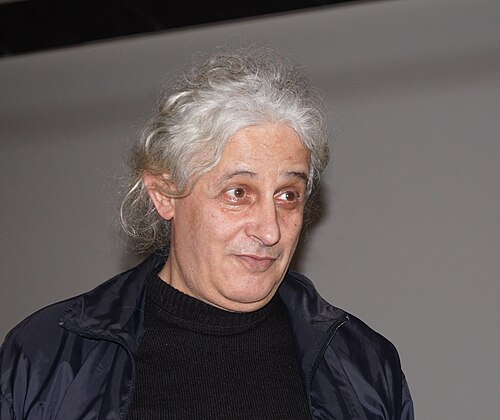
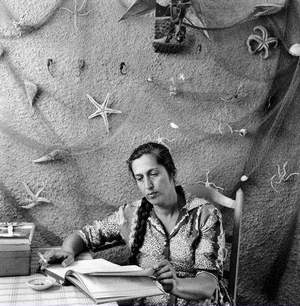
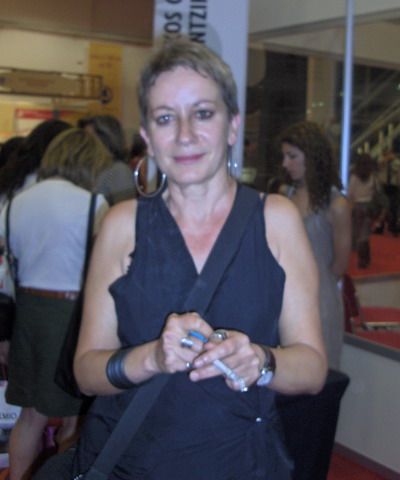
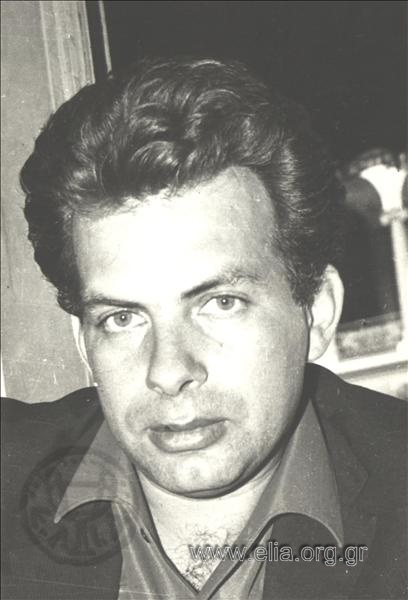
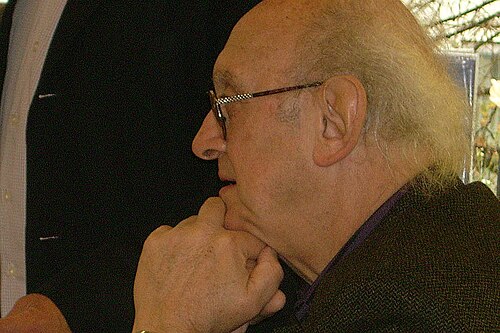
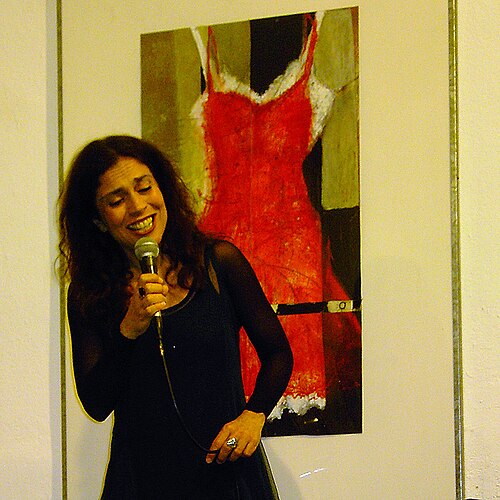
Katerina Anghelaki-Rooke was born in Athens in 1939. She studied in Greece, southern France and Geneva, graduating from the school of translators and interpreters. Her languages included English, French and Russian. This education supported a career in which writing Greek poetry and carrying other poets into Greek remained closely connected.
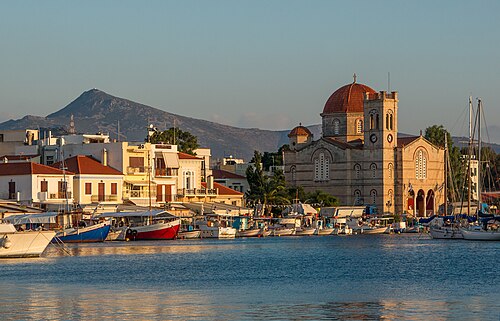
Her first published poem, Μοναξιά (Solitude), appeared in Καινούργια Εποχή (New Era) in 1956, encouraged by Nikos Kazantzakis. Poetry collections followed from the early 1960s onward. Over subsequent decades she developed a voice centred on embodied experience: love, memory and ageing become questions lived through the body. Athens and Aegina formed important settings in her working life, while readings and lectures brought her to universities abroad.
Her translation work included Dylan Thomas, Andrei Voznesensky, Vladimir Mayakovsky and Seamus Heaney. Her own poems also circulated in translated books and international anthologies. Οι μνηστήρες (The Suitors, 1984) received the second State Poetry Prize in 1985. Further distinctions included the Ouranis Prize of the Academy of Athens in 2000 and the 2014 Grand Prize for Letters for her overall contribution. She died on 21 January 2020. ERT’s archive preserves interviews and readings that let listeners hear her discussing poetry in Greek.
Works

Anghelaki-Rooke often begins with bodily experience rather than a distant abstract idea. Ο τζίτζικας (The Cicada), included in the official school anthology, gives an insect a speaking voice. Its song, the summer heat and the relief of a cooling breeze connect creation with the need to keep living. The difference between how the speaker hears itself and how others hear it creates a subtle question about artistic expression.
Τα σκόρπια χαρτιά της Πηνελόπης (Penelope’s Scattered Papers, 1977) brings a mythical woman into contemporary poetic speech. Penelope’s perspective makes waiting and absence subjects for her own voice. Οι μνηστήρες (The Suitors, 1984) continues the conversation between desire, experience and inherited stories. These are Modern Greek poems, giving familiar mythological names new settings and questions.
Η ύλη μόνη (Matter Alone, 2001) and Η ανορεξία της ύπαρξης (The Anorexia of Existence, 2011) place material life and existence directly in their titles. Της μοναξιάς διπρόσωποι μονόλογοι (Solitude’s Two-faced Monologues, 2016) develops dialogue within apparent solitude. In a 2018 interview she compared inspiration to entering a room where an ordinary chair, wall or lock could become a starting point. Her writing makes the familiar available for renewed attention.
Legacy in Greece today
Anghelaki-Rooke remains accessible through school anthologies, translated editions and ERT’s recorded conversations. Begin with the adapted passage, then choose a cup or a glass. Describe its colour with βλέπω, touch its surface and say whether it is smooth or rough, and notice any sound it makes. Write three original Modern Greek sentences, each based on a different sense. Compare the object before and after adding cold water: what changes in your description of coolness? This small task connects her room-and-object account of inspiration with the bodily attention of The Cicada. The B1 passage supports these descriptions; the complete poem needs further help with imagery and the speaker’s perspective.
Did you know?
- Her first published poem, Solitude, appeared in 1956.
- She trained as a translator and interpreter, working with English, French and Russian.
- The Suitors appeared in 1984 and received the second State Poetry Prize in 1985.
- ERT recorded a Greek-language television conversation with her in 2003.
Key works
| Greek title | Title | Year |
|---|---|---|
| Τα σκόρπια χαρτιά της Πηνελόπης | Penelope’s Scattered Papers | 1977 |
| Οι μνηστήρες | The Suitors | 1984 |
| Η ύλη μόνη | Matter Alone | 2001 |
| Η ανορεξία της ύπαρξης | The Anorexia of Existence | 2011 |
| Της μοναξιάς διπρόσωποι μονόλογοι | Solitude’s Two-faced Monologues | 2016 |
A line to remember
Την έμπνευση εγώ την αισθάνομαι σα να μπαίνω σε ένα δωμάτιο.
Tin empnefsi ego tin aisthanomai sa na baino se ena domatio.
I experience inspiration as if I were entering a room.