Life
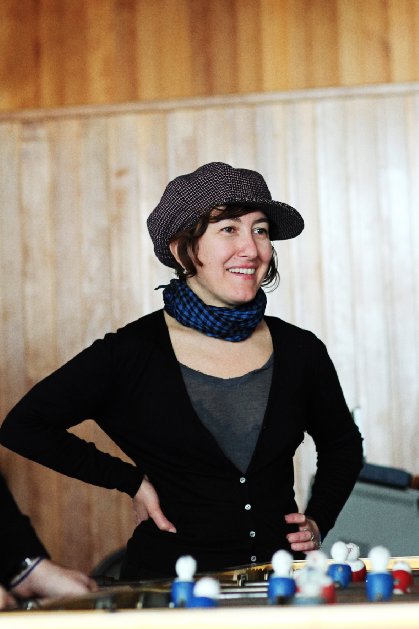
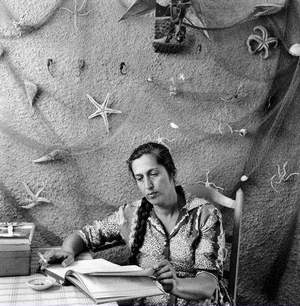
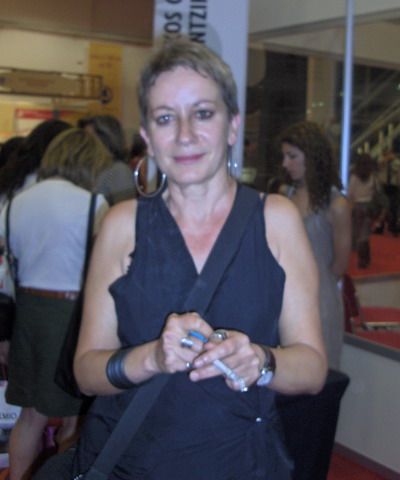
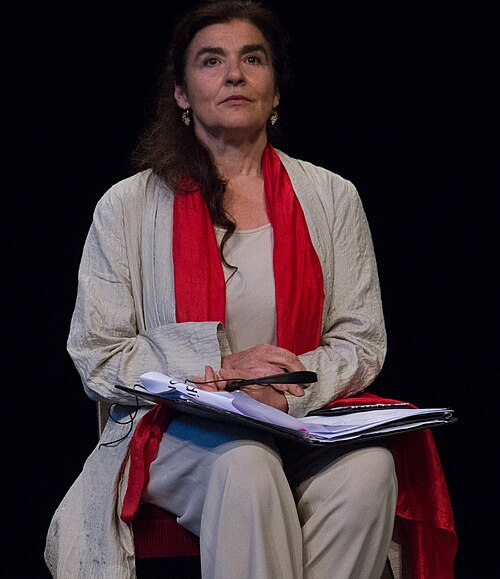
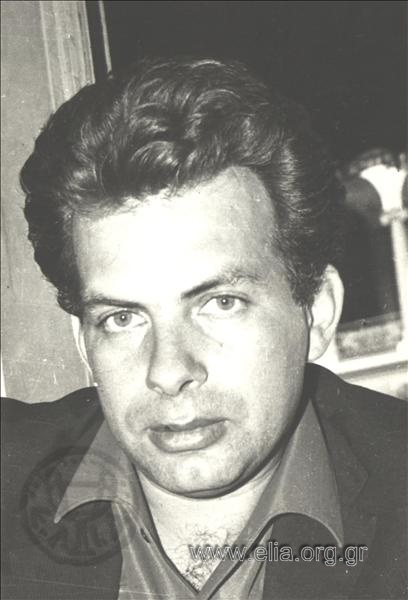
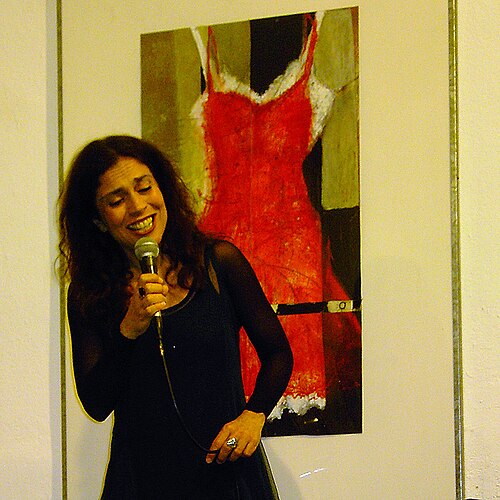
Soti Triantafyllou was born in Athens in 1957 and studied in Athens, Paris, New York and London. Her public work combines fiction with the history of the United States, translation from four languages and writing for the press. These are distinct forms of writing, with different relationships to evidence, audience and voice. In her novels, Greek can carry a story set far beyond Greece without losing its connection to Greek readers.
Her books include novels, novellas, short stories and essays, as well as writing for children and young people. That range extends from historical fiction to conversations about philosophy and books introducing ancient Greeks to younger readers. In a 2013 interview, she linked each new subject with a particular choice of language and style. A narrator’s voice therefore belongs to the form of an individual book, not simply to a single unchanging authorial manner.
Το τέλος του κόσμου σε αγγλικό κήπο (The End of the World in an English Garden), published in 2017, received the 2018 State Novel Prize, announced in 2019. Her later fiction includes Το τυφλό γουρούνι στη Δεύτερη οδό (The Blind Pig on Second Avenue, 2025), continuing her engagement with American history and invented family narratives.
Works

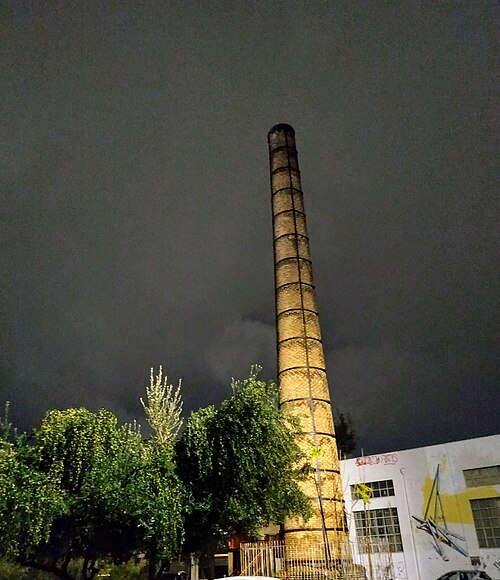
Το εργοστάσιο των μολυβιών (The Pencil Factory, 2000) moves from Cairo in 1866 towards Athens in 1940, bringing technical work, revolution and individual ambitions into a broad historical story. She later revised this historical novel. Για την αγάπη της γεωμετρίας (For the Love of Geometry, 2011) centres on Anatoli Botsari growing up in Athens, linking a young mathematical mind with the pressures surrounding her.
Πιτσιμπούργκο (Pitsibourgo, 2006) takes a much smaller form: letters between Demosthenes in Pittsburgh and Elengo in Chios around the First World War. Their separation makes correspondence carry desire, waiting and the difficult promises of migration. These are fictional voices, carefully shaped for a historical setting.
Το τέλος του κόσμου σε αγγλικό κήπο (The End of the World in an English Garden) (2017) turns towards the English Civil War through a tailor and soldier’s story told by another fictional narrator. Το τυφλό γουρούνι στη Δεύτερη οδό (The Blind Pig on Second Avenue) (2025) returns to an American world of emigration, family and political commitments. Across these changes of scale, setting and voice, the language of a narrator becomes part of how a reader understands a historical world.
Legacy in Greece today
Triantafyllou connects Greek prose with international histories while showing how a chosen voice gives a story its shape. Πιτσιμπούργκο offers a useful starting point for everyday Greek correspondence. Listen to the adapted passage, then write a short message asking about a book. First address a friend with Γεια σου and σου γράφω. Then address one person politely with Καλημέρα σας and σας γράφω. Change μπορείς to μπορείτε where needed, keeping the request clear. Compare both versions aloud and explain who receives each one. These are your own present-day messages, not copied letters from the novella. The activity practises recipient, greeting and consistent address rather than treating a historical literary voice as a ready-made modern template.
Did you know?
- Pitsibourgo first appeared in 2006; 2023 is a new edition.
- The Pencil Factory first appeared in 2000.
- The 2018 State Novel Prize for the 2017 book was announced in 2019.
- The Blind Pig on Second Avenue appeared in April 2025.
Key works
| Greek title | Title | Year |
|---|---|---|
| Το εργοστάσιο των μολυβιών | The Pencil Factory | 2000 |
| Πιτσιμπούργκο | Pitsibourgo | 2006 |
| Για την αγάπη της γεωμετρίας | For the Love of Geometry | 2011 |
| Το τέλος του κόσμου σε αγγλικό κήπο | The End of the World in an English Garden | 2017 |
| Το τυφλό γουρούνι στη Δεύτερη οδό | The Blind Pig on Second Avenue | 2025 |
A line to remember
Και κάθε θέμα αντιστοιχεί σ’ έναν τρόπο γραφής, σε μια επιλογή γλώσσας και ύφους.
Kai kathe thema antistoichei s’ enan tropo grafis, se mia epilogi glossas kai yfous.
And every subject corresponds to a way of writing, to a choice of language and style.