Life
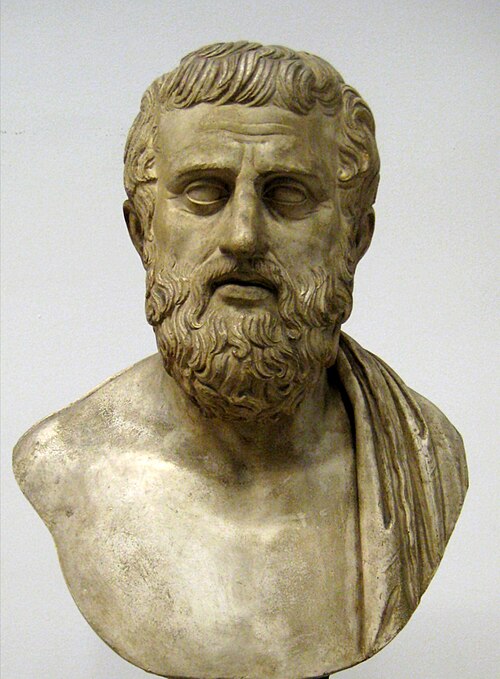
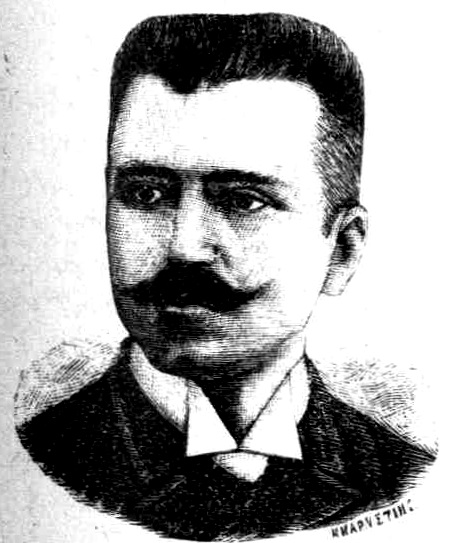
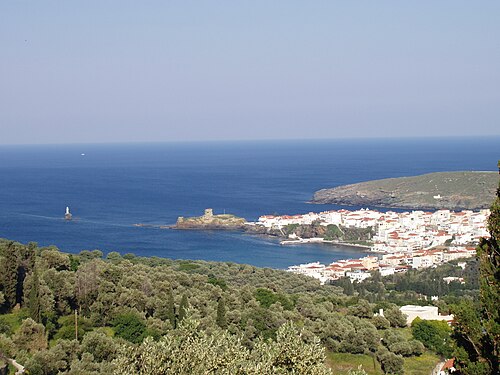
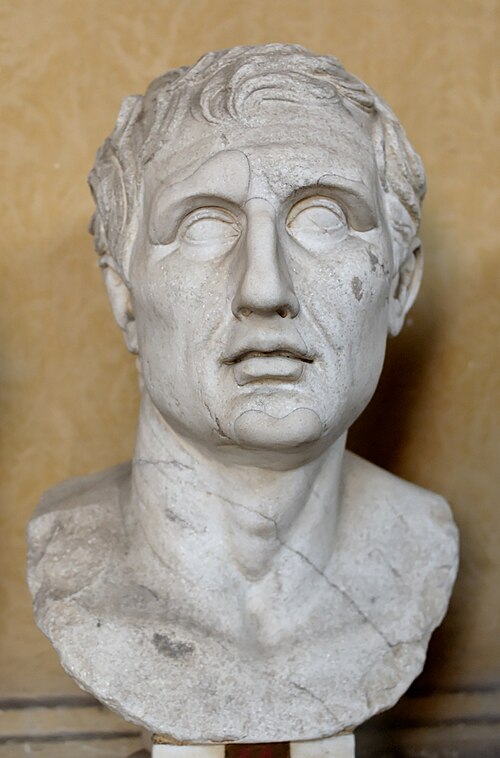
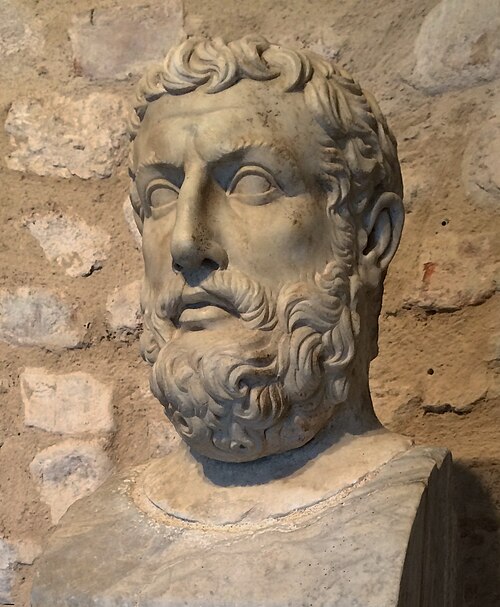
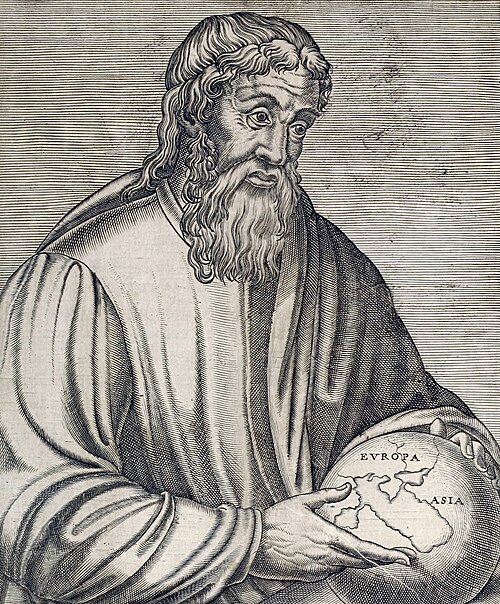
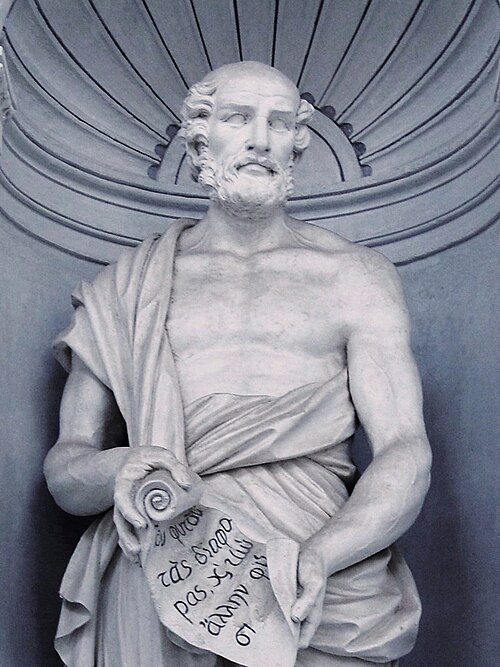
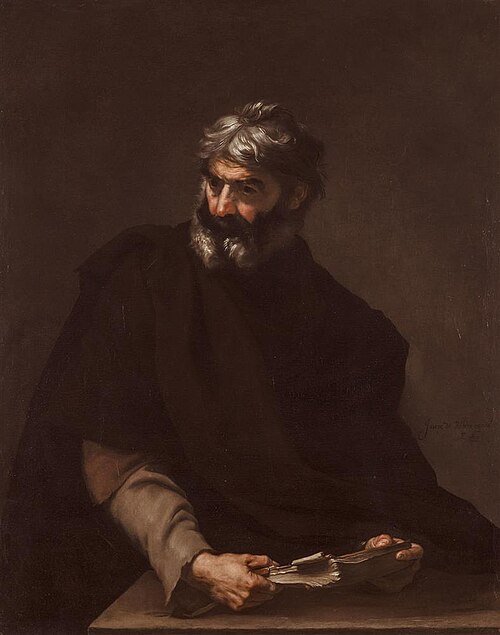
Protagoras was born in Abdera, on the northern Aegean coast of Thrace, around 490 BC. His conventional death date is around 420 BC, but the details of his final years are uncertain. He travelled as a teacher and spent time in Athens, where he formed connections with Pericles and other prominent people. Teaching for payment was part of his public identity. Rather than imagining a modern university post, think of instruction sought by people who needed to speak persuasively and take part in civic affairs.
Plato makes him the central visitor in the dialogue Protagoras and discusses his ideas again in the Theaetetus. These works preserve valuable evidence, but their conversations are literary constructions, not recordings. Later sources add stories about humble beginnings, impiety trials, book burning and death in a shipwreck. Their dramatic appeal should not turn them into established biography. The story that he studied with Democritus is especially doubtful, since Democritus was younger. What we can follow more securely is his reputation as a teacher of argument and language, and the influence of his claims on later debate. The historical person must remain distinct from both the flattering celebrity and the dangerous trickster of competing traditions.
Works

Protagoras’ surviving words are few. Truth, On the Gods and Opposing Arguments are reported titles, but scholars debate their relationships and whether some were sections or alternative names rather than independent books. His famous measure statement is quoted by Sextus Empiricus and discussed by Plato. It places human experience at the centre of judgment, yet it does not give us a complete ready-made theory that every opinion is equally useful. Its interpretation must be tested against the surrounding evidence.
His teaching also concerned correct language, analysis of poetry and the ability to consider opposing arguments. These interests made speech a practical subject of study: how a claim is formed, what a word means and how listeners may judge it. His statement about the gods expresses limits to what he can know; it should not automatically be recast as proof that no gods exist. Much political and educational material reaches us through Plato’s portrayal, including the question whether civic excellence can be taught. We should distinguish a genuine fragment from a later interpretation or a speech assigned to a character. The table therefore marks three reported titles and one teaching theme, not four surviving volumes.
Legacy in Greece today
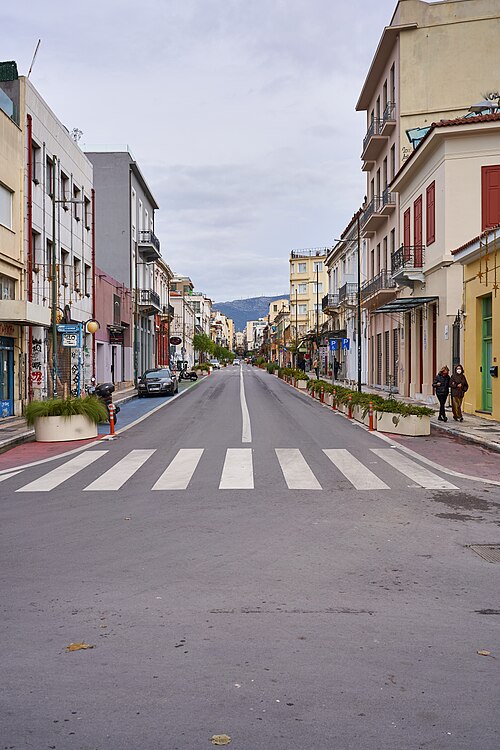
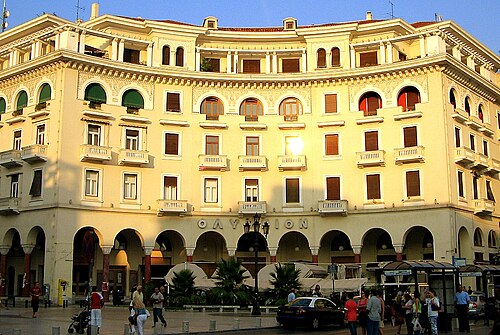
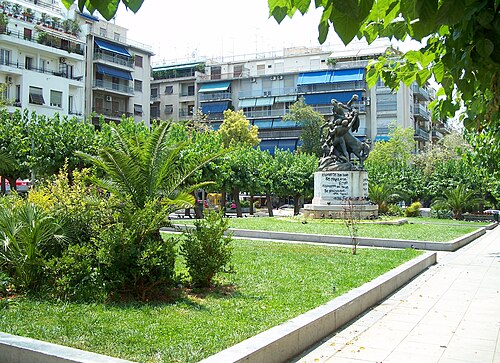
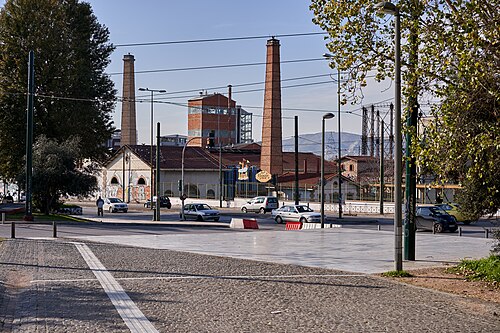
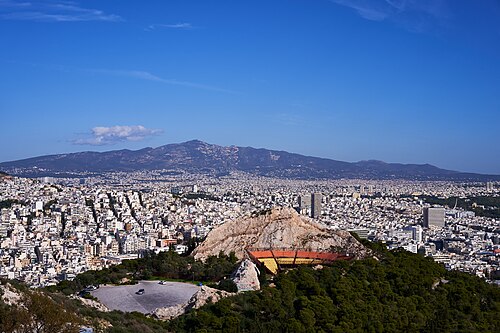
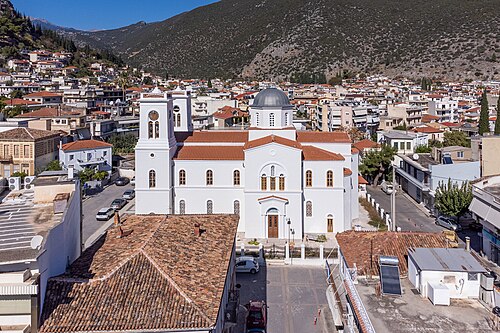
Protagoras connects a real place in today’s northern Greece, Abdera, with the language of civic discussion. His concern with words gives Greek learners more than a slogan about truth: it offers a reason to explain an opinion clearly and listen to another speaker. Reading Plato’s portrayal can later extend this encounter into ancient Greek.
Start in Modern Greek with κατά τη γνώμη μου, then give a simple view about a shared activity. A partner answers συμφωνώ or διαφωνώ and adds γιατί. Exchange roles and try to restate the other person’s reason before replying. This exercises useful language for discussion without pretending that a classroom dialogue reconstructs Protagoras’ lost lessons or settles the philosophical meaning of his quotation.
Did you know?
- His books are lost; surviving evidence includes short fragments and later interpretations.
- Plato’s Protagoras is a crafted dialogue, not a transcript.
- Stories of his trial, burnt books and shipwreck are unreliable as biography.
Key works
| Greek title | Title | Year |
|---|---|---|
| Ἀλήθεια (μαρτυρούμενος τίτλος) | Truth: reported title, lost work | 5th century BC |
| Περὶ θεῶν (μαρτυρούμενος τίτλος) | On the Gods: reported title, lost work | 5th century BC |
| Ἀντιλογίαι (μαρτυρούμενος τίτλος) | Opposing Arguments: reported title, lost work | 5th century BC |
| Ὀρθοέπεια (θέμα διδασκαλίας) | Correct use of words: teaching theme | 5th century BC |
A line to remember
πάντων χρημάτων μέτρον ἐστὶν ἄνθρωπος
In today's GreekΜέτρο όλων των πραγμάτων είναι ο άνθρωπος.
pantōn chrēmatōn metron estin anthrōpos
The human being is the measure of all things.